Images are not only a way to preserve memories but also the soul of marketing campaigns, the face of fashion brands, and the most effective tool for building personal branding. However, many people still confuse or misunderstand the nature of a photoshoot, as well as the difference between a photoshoot and a shooting. Are they the same? How can you have a professional photoshoot that everyone will love? Let's explore all the answers in the detailed article below.
What is a photoshoot? Is it the same as a shooting session?
A photoshoot, also spelled photo shoot, is an English term referring to a professionally planned and purposeful photo session. Unlike simply taking a selfie or spontaneously snapping a picture of food with your phone, a photoshoot typically involves a team of professionals to create images that meet technical standards, lighting requirements, composition goals, and convey a specific message or idea.
A photoshoot can take place in a studio or outdoors. The subjects of the shoot are very diverse, and can include models, products, architecture, food, or even business portraits.
What is shooting?
"Shooting" is the noun form of the verb "shoot" in English. In the media industry, "shoot" can mean both taking photos and filming. Therefore, "shooting" is a general term for a filming session, while "photo shoot" emphasizes that the session is only for taking still photos. When you hear a crew mention "shooting schedule," you should ask if the final product is photos, videos, or both.
In the everyday language of the creative community in Vietnam, "shooting" and "photoshoot" are often used interchangeably. However, from a professional and semantic standpoint, they have some interesting differences. Specifically, as follows:
In terms of scope of meaning:
- Photoshoot: Focus entirely on still photography. The ultimate product of a photoshoot is the photographs themselves.
- Shooting: This is a broader term. In professional media jargon, "shooting" usually refers to recording or filming. When a crew says "We're going shooting," they're most likely going to film a commercial, music video, or short film.
Regarding staff and equipment:
- Photoshoot: The core personnel are the photographers, and the main equipment includes cameras, flashlights, and accessories for still photography.
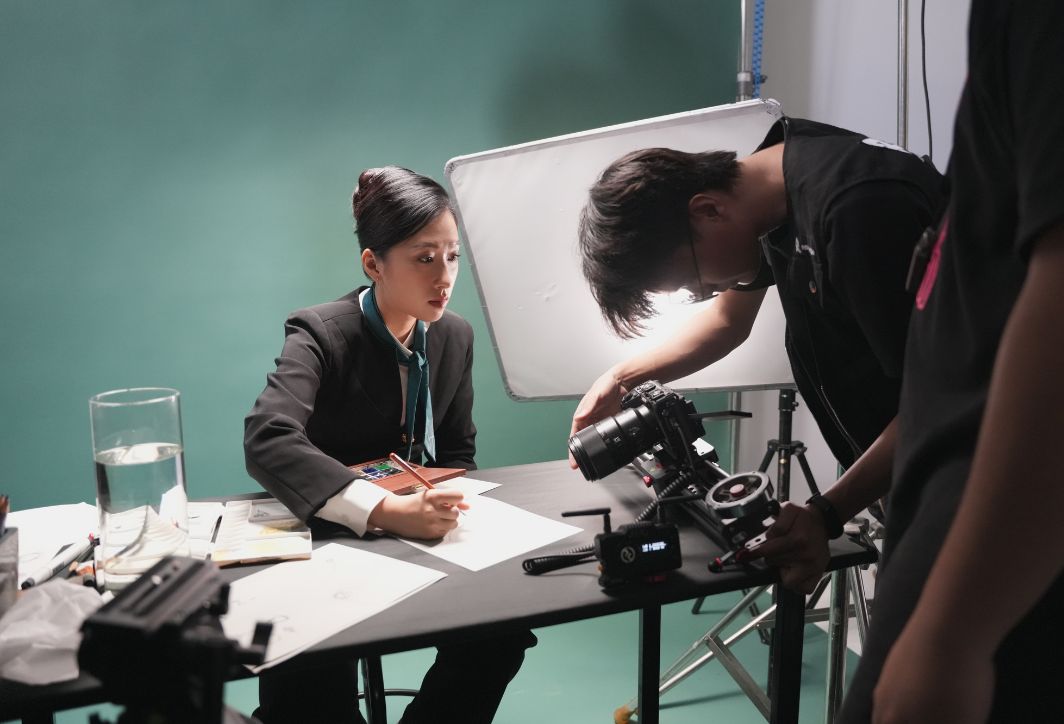
- Shooting (filming): The core personnel are the director and the director of photography. The equipment is more complex, including professional cameras, sound recording systems, stabilization equipment (gimbal, dolly), and a continuous lighting system.
Interference:
Nowadays, this line is blurring as modern cameras are capable of excellent video recording. Many shoots are called "shooting" but include both taking photos and shooting short clips for TikTok/Reels. However, for the most professional approach, you should use the term "photoshoot" when the main goal is to capture images and "shooting" when the main goal is to capture video.
Quick guide to distinguishing between photoshoot and shooting:
| Criteria | Photoshoot | Shooting |
| Final product | Still image | Usually videos, sometimes including photos. |
| The person primarily responsible | Photographer | Director, Director of Photography |
| Light | Flash, studio lights | Continuous lighting |
| Post-production | Select photos, adjust colors, retouch. | Video editing, sound, color grading |
The most popular types of photoshoots today.
Depending on the purpose of the images, photoshoots are divided into several different types:
- Fashion Photoshoot: This type of photography demands the highest level of creativity. The goal is to highlight the outfit and accessories through the model's performance, styling, and the setting.
- Product Photoshoot: This type of content focuses on showcasing the details, features, and aesthetics of a product. High-quality product photos are crucial for increasing conversion rates on e-commerce platforms like Shopee, Lazada, TikTok Shop, and Amazon.
- Lookbook Photoshoot: Lookbooks are typically photoshoots for fashion brands to showcase new collections. They usually have a minimalist style, focusing on the practicality of the clothing in everyday life.
- Commercial Photoshoot: The results of this type of photoshoot typically appear on outdoor billboards, magazines, or website banners. It requires extremely high resolution and meticulous post-production.
- Portrait/Editorial Photoshoot: Focus on highlighting the subject's facial beauty, demeanor, and personality. This could be an artistic portrait or a photograph taken for magazine interviews.
- Corporate Photoshoot: This includes portraits of the management team, group photos, and photos of the office and factory. This set of photos is commonly used for company profiles, websites, LinkedIn profiles, and recruitment materials.
These are the essential personnel for a professional photoshoot.
For a photoshoot to run smoothly and achieve the best results, the coordination of a team of personnel is essential:
- Photographer: The "conductor" of the photoshoot, the one who decides the camera angle, lighting, and presses the shutter button.
- Model: The soul of the frame, the person who conveys the idea through expression and posture.
- Stylist: This person is responsible for costumes, accessories, and ensuring everything matches the original concept.
- Makeup Artist & Hair Stylist: Ensure the model looks her best under the flashlights.
- Photo Editor/Retoucher: The magician who works on the photo in post-production (color correction, reshaping, skin cleansing).
- Art Director/Creative Director: This person provides the overall concept and oversees the photoshoot to ensure it aligns with the brand's vision.
The 6-step process for a successful photoshoot.
A successful photoshoot doesn't come from spontaneity; it's the result of a scientific workflow.
Step 1: Brainstorming and Concept
This is the most crucial stage. You need to determine the goal of the photoshoot: what style (Vintage, Modern, High-fashion, etc.)? Create a moodboard (a visual concept board) so that all team members understand the direction.
Step 2: Casting & Team
Based on your budget and style, you can choose a suitable photographer and model. A professional model will save you a lot of time posing.
Step 3: Location Scouting and Selection
Will you be shooting in a studio or outdoors? If outdoors, check the sun's direction, the weather forecast, and any permit regulations.
Step 4: Prepare props and costumes (Props & Styling)
The stylist will work to prepare the outfits and accessories. Supporting props (flowers, chairs, backdrops, etc.) also need to be gathered in advance of the photoshoot.
Step 5: Proceed with the photoshoot (The Shoot Day)
This is where everything comes into play. The photographer sets up the lighting, and the model begins to pose. The interaction between the photographer and the model is key to capturing those golden moments.
Step 6: Post-production
After the photoshoot, the photographer will send the raw images to the client for selection. The best photos will then be meticulously edited before the final product is delivered.
Tips for a perfect photoshoot
If you are the one organizing the photoshoot, keep the following tips in mind:
- Prepare a shot list: Don't wait until the shooting time to think about what to photograph. Make a list of camera angles and poses you need to try.
- Always have a backup plan: If shooting outdoors, be prepared for rain. If your equipment fails, have a backup.
- Communication is key: Talk to the model, compliment them, and guide them gently. A cheerful atmosphere will create the most natural photos.
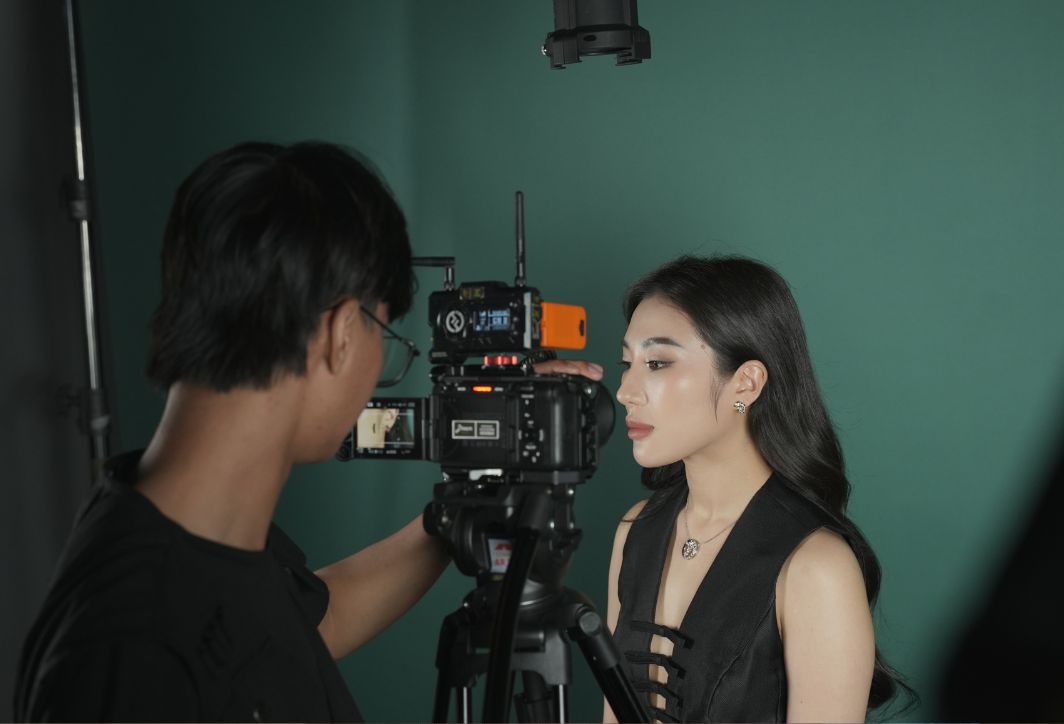
- Don't skimp on makeup: Studio lighting is very strong, and it can reveal every imperfection on the skin. A professional makeup artist will make post-production much easier.
- Check the file right here: Connect your camera to your computer (tethering) to view the photos on a large screen right when you shoot, avoiding the situation where you only find out the photos are out of focus or have poor composition when you get home.
- Secure image usage rights from the start: The agreement should clearly state where the images will be used, for how long, and whether they will be used in advertising. For models, written consent for the use of their images is necessary.
Checklist before a product photoshoot for businesses
For businesses, a product photoshoot often serves multiple channels simultaneously: e-commerce platforms, websites, catalogs, and advertisements. Sending the following information to the team before the shoot will help speed up the process and minimize the need for retakes:
- List of products and sample quantities: Each item should have at least one clean, scratch-free, and correctly colored sample.
- Channel usage and frame rate: Square images for floors, vertical 9:16 images for Reels/TikTok, and horizontal images for website banners.
- Reference photo: 5 to 10 photos with the colors and angles you desire.
- Exchange regulations: Many platforms require the main photo to have a white background or limit the amount of text on the photo, so check the latest regulations before taking pictures.
- Video requirements: If you also need short clips, please let the crew know in advance so they can prepare the lighting and schedule filming for the same day.
If you need a full-service provider, you can refer to the following: Product photography services for e-commerce and catalogs. of Right Media. A practical example is Epic Fits T-shirt fashion product photography projectBesides photography, Right Media also performs other services. TV commercial for MW Jewelry's Chameleon collection.Here's an example of a shooting session for the jewelry industry.
Photoshoot Trends in 2026: The Rise of Authenticity
In recent years, photoshoot trends have shifted from excessive perfection to authenticity. Clients are no longer keen on heavily edited photos that strip away natural features. Instead, photoshoots are focusing on:
- Natural light: Make the most of the sunlight to create a sense of intimacy.
- Everyday context: Take photos in real-life locations instead of plain studio backdrops.
- Diversify the models: Using models of diverse body types, skin tones, and ages helps to create empathy with the viewers.
- Take photos and shoot videos in the same session: To save on venue and model rental costs, many brands combine photoshoots with short, vertical video clips for social media.
- Use AI in controlled post-production: AI tools help to remove backgrounds, enlarge image frames, or remove unwanted details faster. However, the product must still retain its true colors and shape to avoid misleading buyers.
Hopefully, this article has helped you understand what a photoshoot is and differentiate between a photoshoot and a shooting session. A professional photoshoot is a combination of art, technique, and meticulous preparation. Whether you are a novice photographer, a business owner looking for product images, or a young person wanting to build a personal brand, mastering the process and nature of a photoshoot will help you create impressive, inspiring images that achieve the highest communication effectiveness.
Frequently Asked Questions
What does "photoshoot" mean in Vietnamese?
A photoshoot is a planned, purposeful photographic session. Unlike spontaneous shooting, a photoshoot typically has a concept, location, model or product, and a dedicated team. The final result is a set of still images that have undergone post-processing, suitable for advertising, fashion, e-commerce platforms, or personal branding.
Are photoshoot and photo shoot different?
No, "photoshoot" and "photo shoot" are the same word, just spelled differently. "Photo shoot" is the more common way of writing it in English, while "photoshoot" is the more common way of writing it on social media. Both refer to a professional photoshoot; you can use either way.
What is shooting and how is it different from a photoshoot?
Shooting is a general term for a recording session, which can include filming or photography. In practice, "shooting" usually refers to video production such as TV commercials, music videos, or short films. Photoshoots, on the other hand, focus solely on still images, with the main personnel being the photographer rather than the director.
How long does a product photoshoot last?
The duration depends on the number of products, the number of settings, and whether or not there are models. A photoshoot with a few product lines on a plain background can be completed in half a day. A photoshoot with multiple settings, models, and accompanying video usually requires a day or more, not including post-production time.