
One of the crucial first steps a business takes in building a brand is logo design. This isn't simply about creating a representative symbol; it's about shaping the image and personality the business wants to convey to customers. A well-designed logo becomes a unique identifier, helping the business to be clearly recognized and remembered in the minds of consumers for a long time.
What is a brand logo?
A brand logo is a symbol representing a business, organization, or individual. It can be an image, symbol, stylized lettering, or a combination of both, designed to help customers quickly recognize and remember the brand. The logo is often the first thing customers see when interacting with a brand, whether through product packaging, signage, business cards, or representative images on a website or fan page.
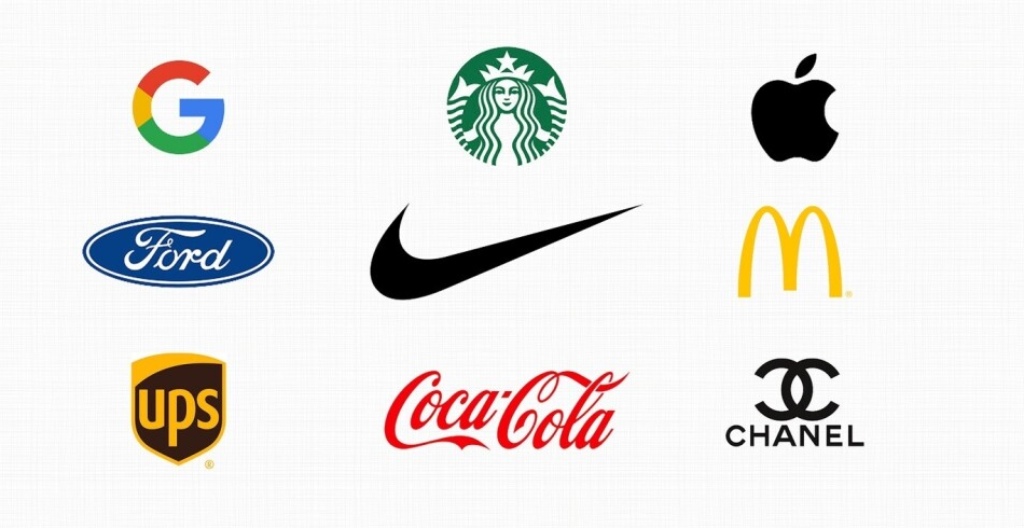
A logo is the visual representation of a business, the closest way to connect with customers.
An impressive logo not only helps customers easily identify the business but also clearly reflects the brand's colors, style, and unique personality. The logo is considered the "face" of the business, accompanying it throughout its brand building and development. Therefore, logo design is often meticulously planned to ensure it is polished, professional, and sustainable over time.
The significance of a logo to a business.
A logo is not just an external identifying element; it also reflects the identity, style, and development direction of a business. A well-designed logo contributes to building a professional image, helps the brand make a lasting impression on customers, and creates a solid foundation for future communication and marketing activities.
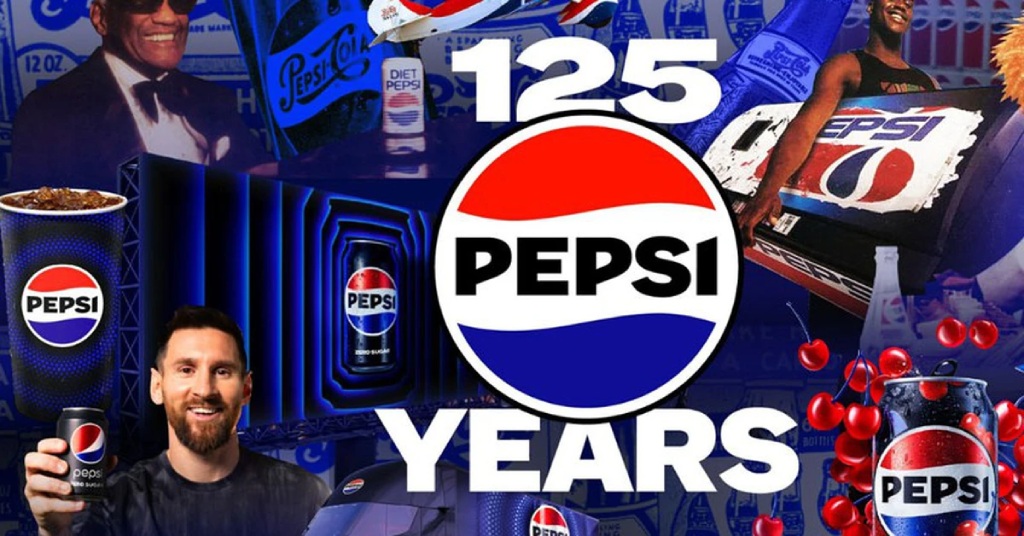
Despite numerous changes, the Pepsi logo retains its distinctive colors and personality, making it easily recognizable to customers.
For businesses, a logo is not just a visual symbol, but also carries many important values and meanings:
- Asserting a unique identity: A logo helps businesses create a unique identity and stand out among hundreds of competitors in the market. When clearly designed and used consistently, a logo helps customers easily remember and distinguish the brand. For example, the "Pepsi Globe," with its characteristic red, white, and blue colors and stylized circular shape, has become a familiar symbol globally. This design creates a distinct difference from Coca-Cola's distinctive typography, making it easy for consumers to identify the packaging among numerous brands on the market.
- Express your personality and core values: Every detail in a logo, such as color, typography, or symbol, carries a unique message, helping to convey the brand's spirit and positioning. For example, Coca-Cola chose red as its dominant color, a color symbolizing dynamism, passion, and strong emotions. In marketing, red also creates a sense of excitement, fitting the youthful image the brand aims for.
- Increase trust: A well-designed, attractive, and harmonious logo will help businesses create an impression of seriousness, meticulousness, and professionalism in the eyes of customers.
- The foundation for the entire identification system: The logo is a core element of a brand's identity, appearing throughout its entire structure, from business cards and uniforms to packaging, websites, and social media platforms. When implemented consistently, the logo helps a brand project professionalism and consistency across all customer touchpoints. Therefore, any logo change by a business must be widely communicated to customers and partners to avoid confusion.
The elements that make up a brand logo.
An impressive logo is not only created from a creative idea but also from many elements harmoniously combined. From color and typography to symbols and layout, each component contributes to conveying the brand's message and personality. Businesses need to consider these elements to create a logo that is polished, visually appealing, and yet retains its unique character.
Specifically, some of the elements that make up a brand logo include:
- Color: Color is a factor that directly impacts customers' emotions and perceptions. Each color has its own meaning; for example, blue represents trust, red symbolizes energy, etc. The logo's colors should also be consistent with the brand's main colors to create a cohesive look.
- Typography: Typography plays a crucial role in creating the first impression of a logo. A suitable font can make a brand appear more professional, distinctive, or softer. However, regardless of whether stylized or creative fonts are used, readability and brand identity should always be prioritized.
- Symbol/Icon: A logo helps a brand convey its message visually. It could be a stylized image of a product or industry, or a symbol with a metaphorical meaning related to the business.
- Layout: The arrangement of text and images affects the balance and usability of a logo. A well-designed layout makes the logo easy to use across various platforms such as websites, packaging, signage, and social media.
- Simplicity and flexibility: An effective logo is usually not overly ornate or complex. A simple design makes the logo easily recognizable and allows for easy scaling up, down, or printing on various materials while maintaining clarity.
Common logo types
A logo is a highly creative product and is not bound by any fixed template. Some businesses choose a minimalist approach, using only a single letter, often the first letter of the brand name, to create a unique identity. Meanwhile, many others prioritize using distinctive imagery or unique, personality-rich logo designs, especially popular in creative and artistic fields.
Right Media's logo uses the word R As the central symbol, it represents both the brand name and the meaning of "Right"—reflecting the correct and professional direction in each solution.
Common types of brand logos often used by businesses.
- Word logo (Wordmark / Logotype): This type of logo uses only the brand name, designed with a unique typography. The creativity lies in the font, stylization, and character spacing. Examples include Google, Coca-Cola, and Visa.
- Lettermark/Monogram Logo: This type of logo uses the initials of the brand name, often applied to businesses with long names. This style makes the logo concise, easy to remember, and easy to use across multiple platforms. For example, Right Media (R), McDonald's (stylized M).
- Logo/Symbol: This type of logo uses only images or symbols without text. It's often suitable for brands that already have high recognition and easily create a unique identity for the business. Examples include Apple (the apple) and Nike (the swoosh).
- Combination Mark: It's a combination of text and symbols. This is the most common type today because it's often creative, unique, and less likely to be duplicated by competitors. Gucci and Puma are brands that use this type of logo.
- Emblem-style logo: Logos designed in the form of a seal, emblem, or enclosed symbol often have a classic style but still retain a strong distinctive character. For example, brands like Starbucks and Harley-Davidson use this type of logo.
In general, an effective logo is not just about aesthetics; it must also convey the brand's story and spirit. When built on a clear strategy and appropriate design elements, the logo becomes the first point of contact that helps businesses connect with customers. Serious investment in a logo is also an investment in the brand's image and long-term value in the market.





 English
  Vietnamese