

To build a strong brand in the hearts of customers, businesses need more than just a beautiful logo or a memorable name. More importantly, the brand must express its unique identity through style, color, and product personality. Because the success of a business is not only measured by sales, but also by the level of recognition, trust, and loyalty customers have towards the brand.
What is a brand?
The term "brand" is certainly not unfamiliar, but not everyone fully understands its concept. According to the American Marketing Association, a "brand" is a name, logo (symbol), sign, design, or combination of these elements that helps customers identify a company's goods and services and distinguish them from those of other companies in the market.

A brand is a distinguishing feature that sets one company's products apart from those of another.
It's important to clearly distinguish between businesses and brands, avoiding the confusion of these two concepts. A business is the organization behind the operation, production, and sales, while a brand is the image, values, and perceptions that a business builds in the minds of customers through its products, services, and experiences. A business may own multiple different brands, each with its own positioning and style to reach specific customer groups.
For example, Unilever owns brands such as Omo laundry detergent, Sunlight dishwashing liquid, Clear shampoo, and Knorr seasoning. However, some businesses choose to unify their brand name and company name to create consistency in brand identity and focus strongly on a single product category.
The elements that make up a complete brand.
In reality, creating a complete "brand" is not simply about coming up with a unique name or designing a beautiful logo, but also involves many other elements such as the brand story, slogan, colors, brand positioning, etc. Specifically...
1. Brand name and slogan
The brand name is the first thing customers encounter, so it needs to be concise, easy to read, memorable, and avoid confusion. A suitable brand name will help customers quickly identify the business's field of activity, while also creating an advantage in communication and building a long-term image. On the other hand, the brand name should also carry a unique meaning associated with the business.

Brand names and slogans should be short, memorable, and impactful.
In marketing campaigns, the brand name is often accompanied by a slogan to accurately convey the message or what the brand can offer customers. Similarly, the slogan should be concise yet impactful, ensuring it is clear, easy to understand, and consistent, reflecting the personality and values that the business pursues.
For example, just mentioning Viettel will automatically bring up the legendary slogan "Speak your way," or with the Biti's brand, the message "Cherish Vietnamese feet" also made a mark. Therefore, businesses often invest a lot of thought into naming and creating slogans for their brands before launching.
2. Brand Identity
Brand identity typically includes many constituent elements such as logo, colors, fonts, and visual layout. For businesses with physical stores, brand identity will also involve employee uniforms, store architecture, materials used, business cards, packaging, marketing materials, etc.
It's crucial for Brand Identity to be consistent from product packaging to media posts and business cards, clearly showcasing the brand's values and mission. For example, when customers think of Highland Coffee, they immediately think of the color red because the logo, employee uniforms, drinks, and store design all use this color as the dominant hue.
3. Brand Positioning
Brand positioning is the process by which a business defines its unique position in the minds of customers compared to competitors. Positioning helps customers understand what the brand represents and why it's worth choosing, not just through products or prices, but also through core values, messaging, and experience. A clear positioning will make the brand easily recognizable, memorable, and create a sustainable competitive advantage.
For example, Rolex is positioned as a high-end watch brand, representing luxury, prestige, and enduring value over time. Instead of chasing quantity or low prices, Rolex focuses on craftsmanship, precision, and a successful image, thereby leaving a strong impression on the minds of its affluent clientele.
4. Brand Story
Many businesses choose to begin marketing and brand building by sharing their Brand Story to create an emotional connection and build trust with customers. A Brand Story is the narrative of a business's origins, development journey, mission, and values. Through this story, a business not only introduces itself but also conveys its spirit, beliefs, and reason for existence to its customers.

Bill Gates and his journey in founding Microsoft have inspired many people on their entrepreneurial paths.
For example, Bill Gates and his journey in founding Microsoft is one of the most inspiring stories for millions around the world. From a passion for programming at a very young age, he and Paul Allen built Microsoft with the aspiration to bring technology closer to people, thereby creating a global brand and leaving a profound mark on the history of the technology industry.
5. Product and service quality
Of course, alongside brand building, the most important factor in making a lasting impression on customers remains the quality of products and services. This is the core foundation that determines the survival of any brand or business, because no matter how good the marketing is, if the quality doesn't meet expectations, the brand will struggle to maintain customer trust and loyalty.
For example, in Vietnam, although Starbucks belongs to the higher-priced coffee segment, it still has a large customer base due to its diverse menu, many signature items, customer-friendly approach, and especially its after-sales policies, gifts, and continuous new product launches. Therefore, when mentioning matcha or Americano, Starbucks is still the first brand that comes to mind for many people.
6. Core values of the brand
A brand's core values are the principles, beliefs, and standards that a business pursues throughout its operations. These serve as a guiding principle for how a business develops products, provides services, and communicates with customers. A brand with clear core values builds trust, maintains consistency in its image, and easily connects emotionally with customers, thereby building long-lasting and sustainable relationships in the market.
7. Brand Ambassador
In recent years, the rapid development of popular culture has led many brands to choose to associate their image with KOLs and influencer The aim is to increase brand awareness among potential customers. When working with the right people and the right direction, brand ambassadors can contribute to improving communication effectiveness and building a sustainable brand image in the long term.

Lisa is closely associated with the BVLGARI brand image.
For example, when mentioning Dior, many people immediately think of Jisoo (BLACKPINK) with her elegant and sophisticated image, while Lisa clearly embodies the bold, individualistic, and trendy spirit of BVLGARI. In fact, the synergy between the artist's image and the brand has helped these brands make a strong impression on the public, while also contributing to increased brand value and business success.
8. Customer experience
Lessons learned
A brand is not simply a name, logo, or slogan, but a synthesis of values, positioning, quality, customer experience, and how a business builds relationships with the public. A strong brand is built on consistency in thinking, actions, and a long-term commitment to customers. In an increasingly competitive environment, systematic investment in branding is the foundation for businesses to differentiate themselves, build trust, and achieve sustainable growth over time.
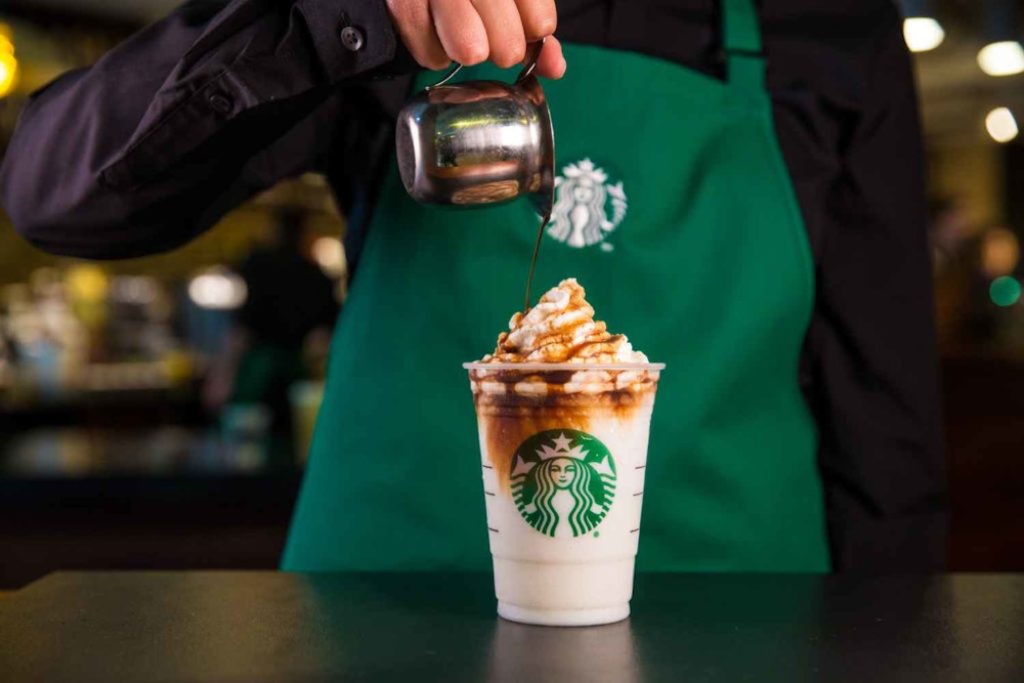
Any brand that wants to survive needs to invest seriously and balance various factors.
Building a brand is not easy, but it's not impossible either. A brand cannot be formed after just one short-term marketing campaign; it requires time, perseverance, professionalism, and meticulous attention to detail in every step. When done correctly and consistently, the brand will gradually be remembered, trusted, and become a sustainable competitive advantage that rivals find difficult to replicate.
Ultimately, a brand doesn't just appear out of nowhere; it's built on what a business does every day and how customers perceive it. Once trust and a unique identity are established, the brand will naturally endure in the hearts of its customers.





 English
  Vietnamese