

Brand positioning is a guiding principle that helps businesses create a distinct and unique position in the minds of their target customers amidst a competitive market. This article will provide a detailed explanation of the concept of brand positioning, its strategic importance, and summarize the most effective implementation methods currently available.
What is brand positioning?
Brand Positioning It's not simply about designing a logo or choosing a slogan, but it It is the act of designing products and a company's image to create differentiation and leave a lasting impression on the minds of target customers.
In other words, Location is the answer to the question: "Why should customers buy from you instead of your competitors?". When you mention a brand and immediately think of an adjective (for example: Apple – Innovation, Volvo – Safety, Nike – Motivation). That is the result of a successful positioning process.
The essence of positioning is selectivity. You can't be everything to everyone. If you try to please every segment, Your brand will become indistinct. Positioning forces businesses to sacrifice unsuitable customer segments in order to focus all their efforts on the core value they do best.

Brand positioning targeting the target customer segment.
Many people often confuse these two concepts:
- Brand Identity: This is what you see (Logo, color, packaging, font).
- Brand Positioning: These are what customers perceive and remember (trust, value, competitive position).
Why is brand positioning essential for businesses?
In a market where hundreds of new brands emerge every day, a lack of clear positioning is like a ship without a compass. Here are some key reasons why businesses need brand positioning:
- Make a difference: If your product is similar to your competitors', customers will only choose based on price. Positioning helps you escape the price war by creating unique perceived value.
- Building customer loyalty: When a brand's positioning taps into customers' emotions or addresses their pain points, they will not only make purchases but also become brand advocates. They buy the product because they believe in what the brand stands for.
- Guiding all marketing activities: Once the positioning is clearly defined, all activities, from running Facebook and Google ads and writing content to designing packaging, must revolve around that core value. This creates consistency – a crucial element for customers to remember the brand.
Top 7 most popular brand positioning strategies
To achieve the goal of capturing the customer's mind, businesses can choose one or a combination of the following strategies:
1. Positioning based on quality and reputation.
This is a classic strategy for brands confident in their manufacturing capabilities or technology. Businesses focus their communication on durability, performance, or prestigious certifications. For example, Toyota has always associated itself with the message of durability and resale value after many years of use.
2. Value-based positioning
It's not necessarily about being the cheapest, but about getting the best value for money. This strategy targets the psychology of smart consumers. For example, Xiaomi positions itself as offering high-spec tech devices at half the price of competitors in the same segment.

Xiaomi launches smartphones for the mid-range market.
3. Positioning based on product characteristics
Businesses choose a unique feature that competitors don't have or haven't done well to focus on. For example, Biti's Hunter shoes are positioned as a super lightweight line, hitting the needs of young people who move around a lot.
4. Positioning based on customer experience
In the age of service dominance, experience becomes a powerful weapon. Businesses don't just sell products; they sell satisfaction and positive emotions. For example, The Gioi Dien Thoai (Mobile World) succeeded not because of low prices, but because of its superior customer service and staff attitude compared to smaller retailers.
5. Positioning based on competitors
This strategy is often used by brands to directly compare themselves to the market leader. For example, Pepsi and Coca-Cola are a classic positioning battle. While Coca-Cola positioned itself as classic and family-friendly, Pepsi chose to position itself as "The Choice of the New Generation."
6. Positioning based on symbols and lifestyles.
Brands become part of the customer's personal identity. When using a product, customers feel they belong to a certain class or community group. For example, Harley-Davidson doesn't just sell motorcycles; they sell freedom and a rebellious spirit.
7. Positioning based on solving specific problems.
Address the customer's pain points directly and offer immediate solutions. For example, Head & Shoulders clearly positions itself as an anti-dandruff shampoo, rather than just a regular hair-smoothing shampoo.

Head & Shoulders targets people with dandruff problems.
The 5-step process for building a professional brand positioning strategy.
To create a perfect brand positioning statement, you need to follow these steps:
Step 1: Determine the current state of the brand.
You need to clearly understand where you stand in the market. Ask yourself: What do current customers think of you? What are your truly unique strengths?
Step 2: Analyze the competitors
Create a list of direct and indirect competitors. Study how they are positioning themselves by observing:
- The message on their website/advertisement.
- Customer feedback about them.
- The price point and market segment they occupy.
Step 3: Create a location map
Typically, a map has two axes (e.g., the price axis and the quality axis). Place your competitors on the map to see which areas are still unoccupied.
Step 4: Define your positioning statement.
This serves as a guiding principle for the entire marketing team. A standard manifesto includes:
- Target audience: Who are you serving?
- Product category: What type of business are you in?
- Key benefits: The greatest value you bring.
- Reasons for trust: Proof of that promise.
Step 5: Testing and Consistency
Once you have a positioning, you need to apply it to every aspect of your business. If the positioning is "Luxury," but the store is decorated shabbily, you will fail.
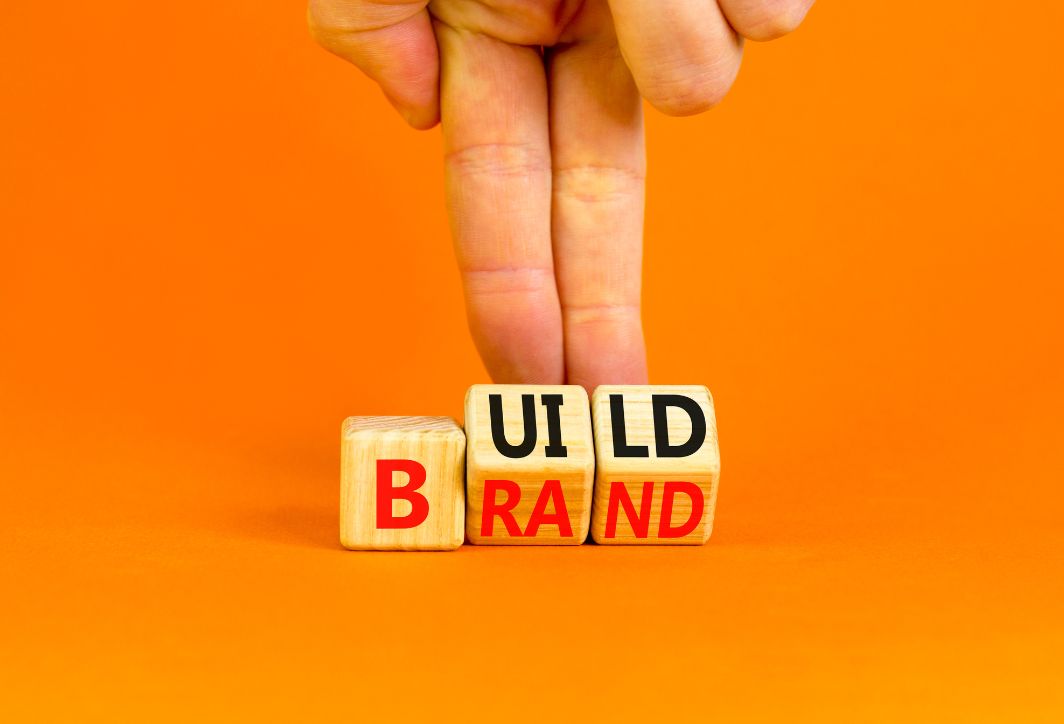
Brand positioning and consistency across all communication campaigns.
Common mistakes when implementing brand positioning.
Mispositioning can lead to huge budget waste:
- Positioning too low: Customers only have a vague idea of the brand; they don't see anything special about it.
- Positioning too high: It makes customers think the product is too luxurious for their actual needs.
- Misleading location information: Sending too many contradictory messages leaves customers confused about what you're really good at.
Case Study: The Rise of Vietnamese Brands Thanks to Correct Positioning
1. Vinamilk – Trust built on purity
Vinamilk positions itself as "A vital link in the health of Vietnamese people." With its internationally standardized farm system, they reinforce this position through the quality of their pure fresh milk, helping them maintain their leading position in the dairy industry.
2. Trung Nguyen Legend – Positioning as a coffee expert
Instead of just selling beverages, Trung Nguyen positions itself as "Energy Coffee - Life-Changing Coffee." They elevate their product to a cultural and intellectual level, creating a unique position that foreign coffee chains would find difficult to replicate in Vietnam.
In summary, brand positioning is not a destination, but an evolutionary process. As the market changes and more competitors emerge, you may need to reposition to keep up with the times. However, always maintain the core values that have made your brand famous. Hopefully, this article has provided you with the most comprehensive understanding of what brand positioning is and strategies to apply to your business.