4 latest trends in factory premiere videos.
In the context of rapidly changing film production trends, finding and continuously updating these trends is essential. This is especially true for businesses with large, modern factories and workshops. Adopting current events or advanced techniques will make factory promotional videos more engaging, transforming otherwise boring content into something captivating for viewers. This article will discuss and analyze in detail X of the latest trends in factory promotional video production, ensuring they are both dynamic and relevant to modern trends.Focus on factory scale.
This is a traditional trend, yet it remains very popular both now and in the future. The scale and grandeur of the factory will be vividly showcased through realistic imagery, realistically recreated in every frame of the film.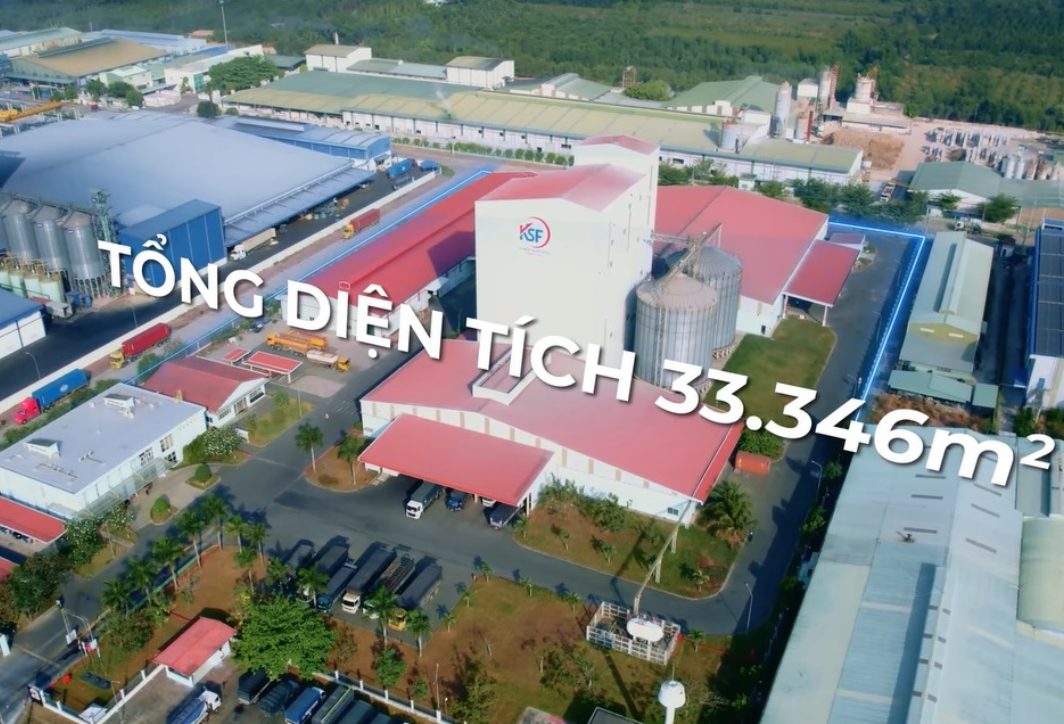
Equipment and machinery systems
To enhance the credibility of the factory in particular and the brand name in general, as well as to help customers easily visualize the production process inside the factory, close-up or wide-angle shots of the state-of-the-art equipment and machinery are essential.Production process and line
These are two extremely important factors that determine the quality of a factory promotional video. Based on the production process and assembly line, a business can confidently assert its professionalism and scale in the business field. This not only builds customer trust but also demonstrates its strength to competitors in the same market. Some details that can be included include automated production lines, products moved by conveyor belts or professional forklifts, and the entire process from production to packaging. Close-up shots and detailed shots will help viewers perceive the scale and professionalism.Other types of films
While also introducing the factory, businesses can choose individual aspects to make the main content stand out, such as workplace safety, hygiene and safety standards in the food industry, and factory tour formats. These are all effective and safe production trends that help build a strong brand image for businesses with large-scale, professional factory and workshop systems.How will factory filming technology change in the next 5 years?
Beyond filmmaking trends, technology is also a crucial factor in making any type of film stand out, including factory promotional videos. And the two technologies below are considered key to the future that filmmakers can consider applying:- Virtual reality (VR)This is a completely new form of storytelling that makes it easier for viewers to immerse themselves, allowing them to become the characters experiencing the factory firsthand. It promotes interaction and evokes emotions in the viewer.
- Artificial intelligence (AI)Currently, AI is the most talked-about artificial intelligence tool in the film industry. From script analysis to accurately identifying audience preferences, it helps optimize the creative process in filmmaking in general.
Several factory promotional videos were produced by Right Media.
- This is a promotional video for Kyodo Sojitz Feed KSF.
- This is a promotional video for Far Eastern Polytex Vietnam FENC.
- Movie VIETPOWER SWITCHBOARD MANUFACTURE CORPORATION
Frequently Asked Questions about Factory Filming Technology
Yes, with a small drone with a protective cage, it can be used to capture a panoramic view of the production line that ground-based cameras can't cover. The condition is that the factory agrees and the flight area is free of hanging obstacles or strong hot air currents. A flight path survey is necessary beforehand; decisions cannot be made on the spot.
When the process takes place in an enclosed space where machinery cannot be brought in: inside a furnace, reaction chamber, sealed pipeline, or operating machinery. 3D graphics help viewers understand the principle in seconds, something that lengthy explanations struggle to achieve.
Timelapse is ideal for processes that last many hours and would be tedious to watch in real time: a production shift, the assembly of a piece of equipment, or the progress of factory construction. Timelapse compresses the work into just a few seconds and gives viewers a sense of the scale of the job.