

Franchising is becoming a business model that attracts many investors, especially in the coffee, restaurant, and food industries. Leveraging existing brand reputation and a proven operating model, this model helps entrepreneurs shorten market development time and minimize startup risks.
What is franchising?
Franchising is a business model in which the brand owner allows another individual or business to use the brand name, operating model, products/services, and management system for a specified period. In return, the franchisee pays a franchise fee and adheres to the standards set by the franchisor.

Sasin is one of the brands with a widespread franchise model throughout the country.
This business model is best suited for brands that already have established recognition and a strong market position. In this case, the franchisee can leverage the existing reputation to quickly launch the business, shorten the payback period, and increase profits without having to build the brand from scratch. Therefore, this model has become increasingly popular among investors in recent years.
Franchising is extremely popular in the F&B industry. Major brands like Sasin Spicy Noodles, The Coffee House, and Highland Coffee all have franchising policies to increase their nationwide reach. Even smaller takeaway chains adopt this business model once they have built a certain level of brand recognition.
Common forms of franchising
Depending on the expansion strategy and desired level of control, franchising is divided into various forms. Understanding each model will help businesses and investors choose the option that best suits their resources, experience, and development goals.
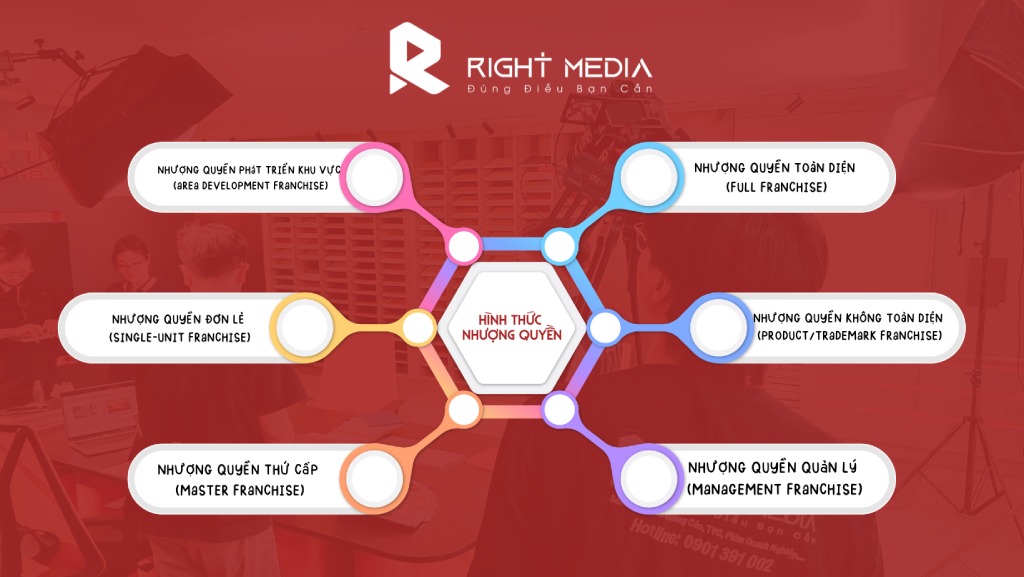
There are many forms of franchising.
Full Franchise
This is the most common form, where the franchisor transfers almost the entire business model, including the brand name, operating procedures, product formulas, staff training, and marketing strategies. This model allows the franchisee to implement the business quickly and reduces risk thanks to a proven and successful process.
However, franchise fees and binding commitments are often high, making it difficult to be flexible in operation.
Non-exclusive franchising (Product/Trademark Franchise)
In this model, the franchisee primarily uses the brand name or distributes the products without receiving the full operating system. The advantages include low costs and flexibility in business management. However, due to a lack of established processes, operational strategies, staff training, or marketing, business results can sometimes be negatively impacted.
This model is suitable for investors who already have experience or a clear operational direction, and who are capable of flexibly developing the model according to their own strategy.
Management Franchise
Franchising is quite similar to a full franchise; however, in this model, the franchisor is deeply involved in the operation or sends a management team to provide direct support. The advantages include ensuring consistent service quality, the ability to recoup investment and generate profits quickly, and reduced operational pressure for investors.
However, this model often comes with higher costs due to management and operational support expenses. At the same time, the franchisee is limited in their autonomy and lacks full control over operations, even though they remain the original investor.
Area Development Franchise
The franchisee has the exclusive right to develop the brand within a geographical area and the right to open multiple sales outlets according to the agreed schedule. Of course, the buyer also has full access to the formula, brand name, operating procedures, etc. This model is extremely suitable for those with substantial capital seeking an exclusive advantage, significant expansion potential, and the ability to recoup their investment quickly.
However, to cover the entire franchise area, investors need substantial capital and face pressure to meet the opening targets as committed in the contract. At the same time, franchisees must also possess strong management and operational capabilities when expanding the system with a large number of stores.
Single-unit franchise
This is a less common form of franchising, where the buyer is only allowed to open one business location under the franchised brand. Its advantages include ease of management, suitability for new entrepreneurs, and relatively low initial investment capital. However, this model results in slower expansion and difficulty in achieving economies of scale within a given area.
Master Franchise
In this model, the top-tier franchisee is allowed to develop the brand within a large country or region and has the right to resell the franchise to other partners. The advantage is that it allows for extremely rapid brand expansion and the ability to leverage local resources. The disadvantage is that quality control across the entire system is complex and heavily dependent on the master franchisee's capabilities.
Some things to keep in mind when buying a franchise.
Franchise legal review
Ensure the brand is legally registered and that the franchise operation fully complies with legal regulations. The contract should clearly define the scope of rights, duration, fees, termination conditions, and support commitments for the franchisee to minimize future disputes. This is a particularly important step to help investors avoid risks from the outset.

It is necessary to consider the legal aspects and carefully review the terms before signing a trademark purchase agreement.
In reality, many franchisees end up being abandoned after purchasing a franchise, with the seller failing to provide operational support or supplies despite having purchased all the options. This forces investors to manage operations themselves, facing the risk of losses despite significant investment. Therefore, before signing any agreement, it is crucial to carefully review the terms regarding training, operational support, monitoring mechanisms, and post-franchise benefits to ensure genuine and long-term partnership with the brand.
Assessing financial capacity
In addition to the initial franchise fee, investors need to budget for rent, setup, operation, marketing, and contingency capital. Many business models fail not because of a weak brand, but because of a lack of cash flow to sustain the initial phase. Furthermore, it's advisable to prepare sufficient contingency capital to operate for at least 6–12 months in case revenue doesn't meet expectations.
Carefully calculating the break-even point, payback period, and realistic profit margin will help investors be more proactive and avoid financial pressure when first starting a project.
Understand the level of operational support.
Not all franchisees provide hands-on support. It's important to clarify the extent of support the franchisor will provide, such as training, opening assistance, marketing, operational management, or simply the brand and materials, as these factors directly impact the likelihood of success.
Furthermore, investors should clearly discuss the duration of support, whether a team will be present for training, setup, or opening, and whether support costs are included in the franchise package or charged separately. Transparency from the outset will help avoid false expectations and allow for a more proactive operational plan.
Choose the right franchise model.
This is also a core factor related to the likelihood of success or the time it takes to recoup the investment. Newcomers with little experience in the market should consider choosing Full Franchise or Management Franchise models for optimal support. Meanwhile, investors with established systems and experience in managing and operating business chains in similar fields can choose Product/Trademark or Area Development.
Choosing the wrong model can lead to unexpectedly high investment costs or overwhelm the investor in terms of controlling and operating the system in the long term.
Market and business area research
Even with a strong brand, market position and demand remain crucial factors. It's essential to research competitor density, target customer segments, and regional protection policies to avoid overlapping within the same system.
Furthermore, it's necessary to assess actual customer traffic, consumer behavior in the area, and growth potential over the next 2-3 years, rather than just focusing on the present. A prime location but targeting the wrong customer base or operating in a saturated market can still lead to inefficient store operations.
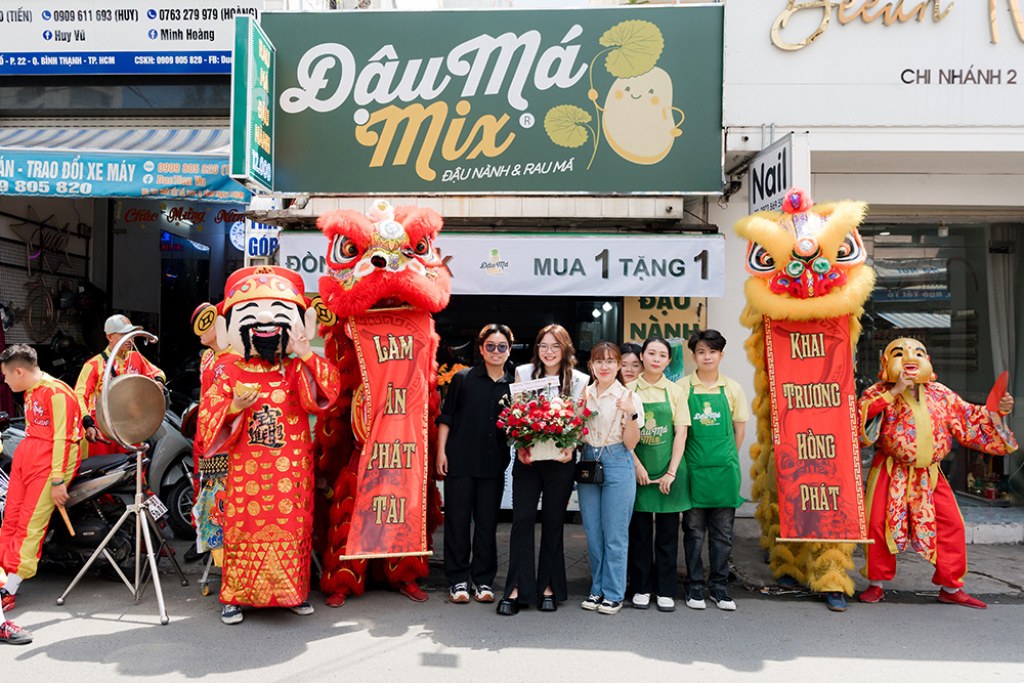
Conduct thorough market and brand research before investing to avoid unwanted risks.
Learn about the brand thoroughly.
The reality is that many brands, despite extensive marketing and strong franchising efforts, lack robust internal operational capabilities. Therefore, before deciding to invest, it's crucial to thoroughly verify the business performance of existing stores, the level of actual support provided, and feedback from previous franchisees.
Don't just look at media images; request operational data, standardized processes, and visit the point of sale in person if possible. This helps investors assess the true "essence" of the brand before investing.
Preparing for long-term operational capacity
Franchising is not a "buy and profit" model. Investors still need to manage personnel, control costs, maintain service quality, and adhere to brand standards throughout the operation. In the case of choosing regional franchise models, buyers should also own or establish a support team for operation and management to ensure expansion is carried out correctly, smoothly, and consistently.
Franchising opens up opportunities for rapid business growth and leverages the power of an existing system. However, for sustainable success, investors need thorough preparation in terms of legal aspects, finances, operational capabilities, and choosing the right model to suit their resources. When properly researched and implemented, franchising can become an effective and safe long-term growth engine for investors.