

A successful film doesn't come from the efforts of a single individual, but rather from the seamless coordination between each part of the film crew. From production, directing, cinematography to post-production, each department plays a crucial role. Understanding the responsibilities of each position in a professional film crew will help you grasp the production process and select the right team for each project.
The responsibilities of different positions in a professional film crew.
Most people are only familiar with a few common roles in a film crew, such as actors, directors, cinematographers, or screenwriters. However, to complete a film, whether a feature film or a short film, requires the coordination of many members with different roles. From sound and lighting to costume design, each job is a crucial link in the production process.
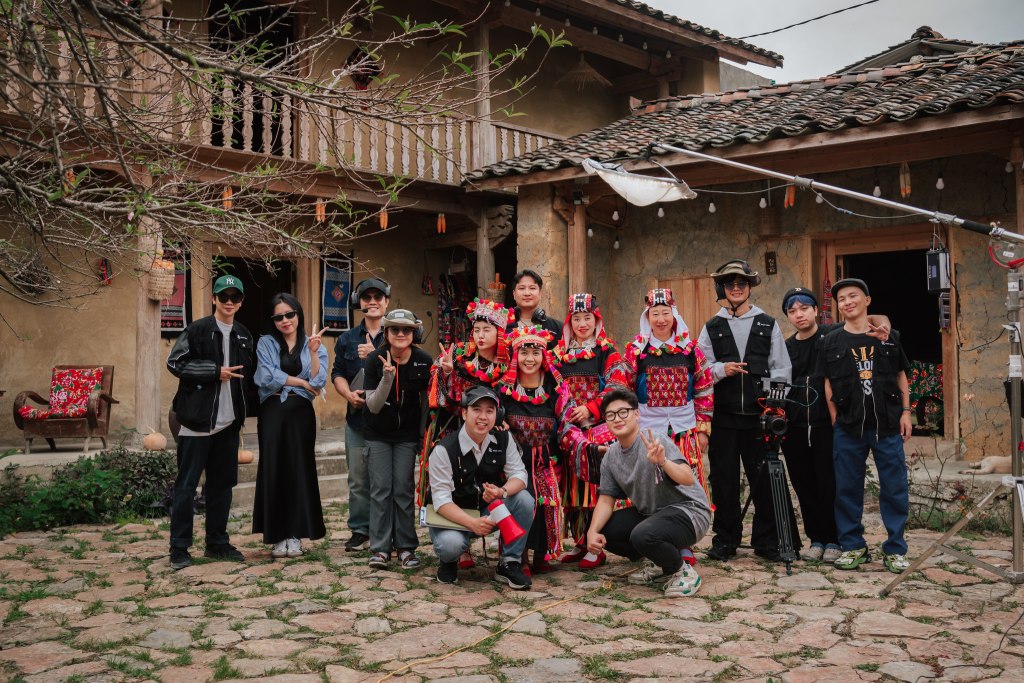
A complete film requires the contributions of many different departments with various important roles.
Join Right Media in exploring an overview of the roles within a professional film crew to gain a better understanding of the systematic film production process.
1. Content Block (Creative)
The Content Department is the first position needed to establish a film crew. This department is responsible for developing and controlling the script – the initial "foundation" required when producing a film. Other departments, from directing and sound to lighting, all rely on the script to ensure proper execution.
Screenwriter
A screenwriter is responsible for developing the script's content, from the initial idea and plot to the characters and dialogue. Besides writing detailed scripts, screenwriters collaborate with directors and producers to adjust the content to suit the actual production conditions. This position plays a fundamental role, determining the storyline and the message the film conveys.
The lead screenwriters may need to be present throughout the production and post-production process to make necessary adjustments, and even change the content as needed.

A screenwriter is someone who develops the script and communicates it to the relevant departments.
Script consulting (Script consulting)
For films with specialized subjects such as history, medicine, or adaptations of literary works, the script consulting department plays a supporting role in ensuring accuracy in language, terminology, and content.
2. The Actors' Group
Behind every complete film is not just the image of the main actors on the poster and trailer, but also the involvement of many other groups of actors who take on different roles in the story.
Lead Actor
Often associated with a fixed character (except for transitional age stages), this is the central character who appears throughout and dominates the story. This character is considered the soul of the film, contributing significantly to its success and popularity. There are usually 2-3 main characters in a film.
Supporting Actor
Although they have less screen time than the main actors, supporting actors play a crucial role in a film, clearly influencing the plot. There may be many supporting actors, depending on the film genre.
Background Actor
Extras usually appear only briefly to serve as a backdrop for the main and supporting actors, or in scenes requiring a large crowd to make the frame more lively and have more depth. Extras can change constantly, are not fixed, and do not affect the psychology or plot of the film.
Stunt Performer
In some long-running series or specialized scenes such as medical surgery, musical instrument performances, or action films with dangerous sequences like car races, martial arts, and chases, stunt doubles are an indispensable part of a professional film crew. These actors usually have a similar physique and appearance to the main actors, performing scenes where their faces don't need to be visible and only appearing briefly throughout the entire film.
Production Unit
The Production team is the overall project management department, responsible for organizing, coordinating, and controlling the entire filmmaking process from pre-production to post-production. Alongside the director, this is one of the most powerful positions in the film crew, capable of coordinating other departments such as cinematography, lighting, sound, etc.
Producer
As the highest-ranking individual, the producer is responsible for the overall project: budget, personnel, schedule, and will work with clients/investors. The producer has the authority to make major production decisions such as equipment, settings, and artistic elements. In this role, the producer is typically involved in every stage, from pre-production and production to post-production, to ensure the final product is as perfect as possible.
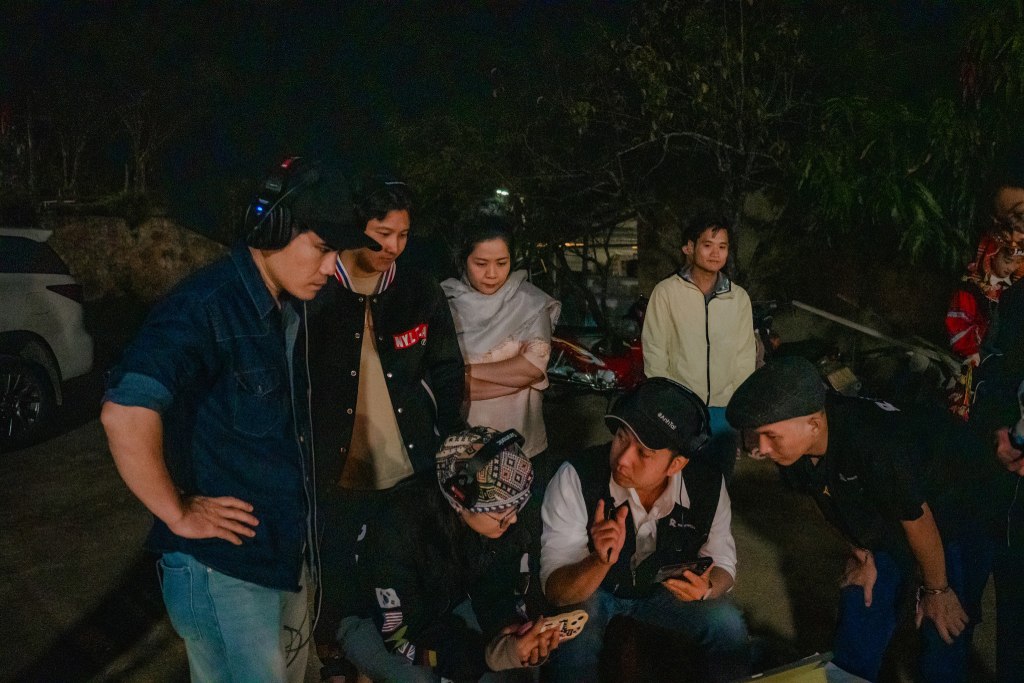
Producers play many important roles on set.
Line Producer / Production Manager
Line Producers/Production Managers are responsible for operating and controlling the actual production process of a film crew, ensuring the project is implemented according to plan, budget, and schedule. They also act as a link between the Producer and the entire team.
Directing Department
The directing team is one of the most important positions in a film crew, responsible for guiding and managing the production process, ensuring it is carried out according to the original script and vision.
Direct
The director plays the role of shaping the overall creative direction, guiding the acting, visuals, and narrative pace according to the film's direction. Typically, the director needs to be present on set throughout the film, working closely with the screenwriter, cinematographer, actors, and editor. In addition, the director is also directly involved in casting to find the right lead actors.
Assistant Director
A film typically has one or two assistant directors, who take on roles such as planning. filming timeline Details, set management, filming schedule, working with relevant departments on behalf of the director.
Script supervisor
The production secretary is a position often found in some large-scale films to meticulously record the filming process, ensure the timeline is followed, or address any arising issues promptly.
Image and Video Unit (Camera Operator)
For a film to have beautiful camera angles, clearly express the characters' psychology, or have more realistic action scenes, the Cinematography Department is essential. This is also a crucial and indispensable position in any film crew.
Director of Photography/DOP
The Director of Photography (DOP) is ultimately responsible for visual aspects, acting as a "storyteller through light and framing," directly realizing the director's vision through visual language. The DOP directs camera angles, lighting, film color selection, and even suggests suitable filming equipment.
Camera Operator
This is the team that directly operates the cameras under the direction of the Director of Photography (DOP). Typically, the film crew is large, with each person responsible for a specific camera angle and individual actors. For example, close-up shots, wide shots, and flycam shots to capture various moments.
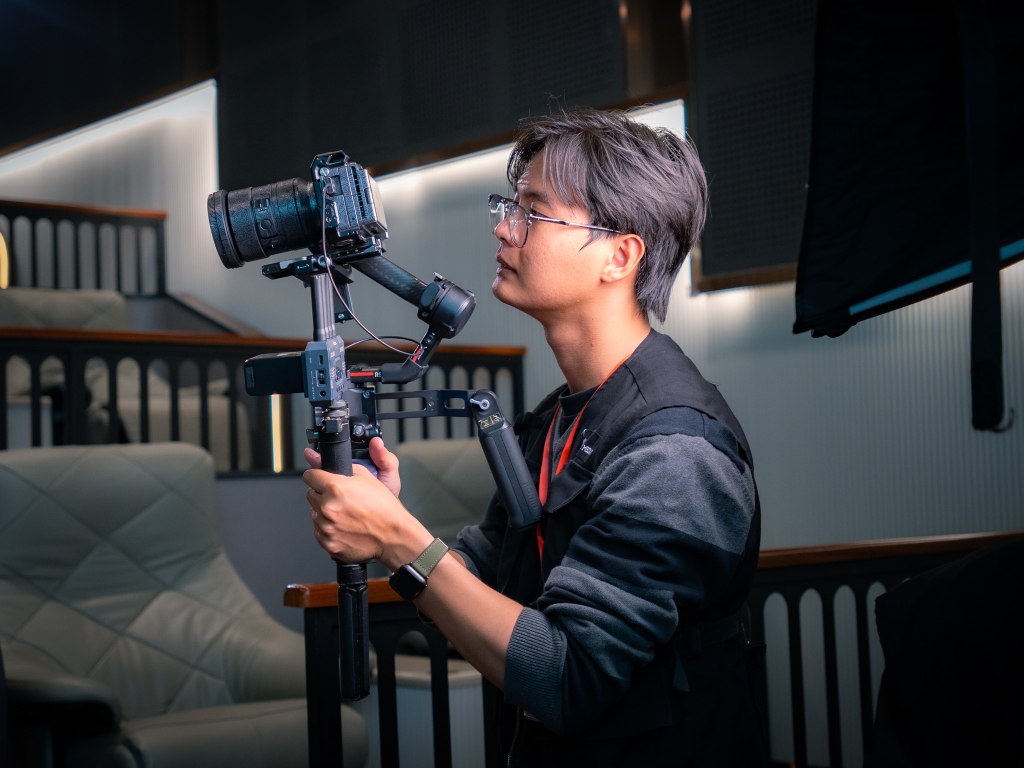
Whether the footage is sharp and the angles are flattering depends entirely on the cameraman.
Makeup – Costume – Wardrobe Department
This is an indispensable position in any professional film crew, regardless of the project's size. This department is responsible for transforming the actors' appearances to suit the script, setting, psychology, and characteristics of the characters.
Costume Designer
Based on the script and character's personality, the costume department will prepare or design appropriate costumes. For example, for high-fashion roles, they often conceptualize costumes, coordinate with sponsors, or borrow items from professional designers to ensure the character's look is accurate.
Makeup Artist / Hair Stylist
Details such as bruises, bloodstains, or signs of aging are all handled by the makeup team to make the character more realistic. Not only special roles, but even everyday characters require meticulous makeup and styling.
Post-production Department
The post-production team is responsible for finalizing the film after filming is complete, transforming raw footage into a finished product in terms of content and emotion. Whether a film has beautiful colors, logical transitions, and whether each shot looks polished when presented on screen depends heavily on the post-production editing process.
Editor (Video Editor)
An editor is responsible for editing, arranging, and connecting scenes to create a complete storyline that aligns with the film's rhythm and emotion. Editors typically work directly with both the director and the editor to ensure that the chosen shots are appropriate and align with the script's intent.
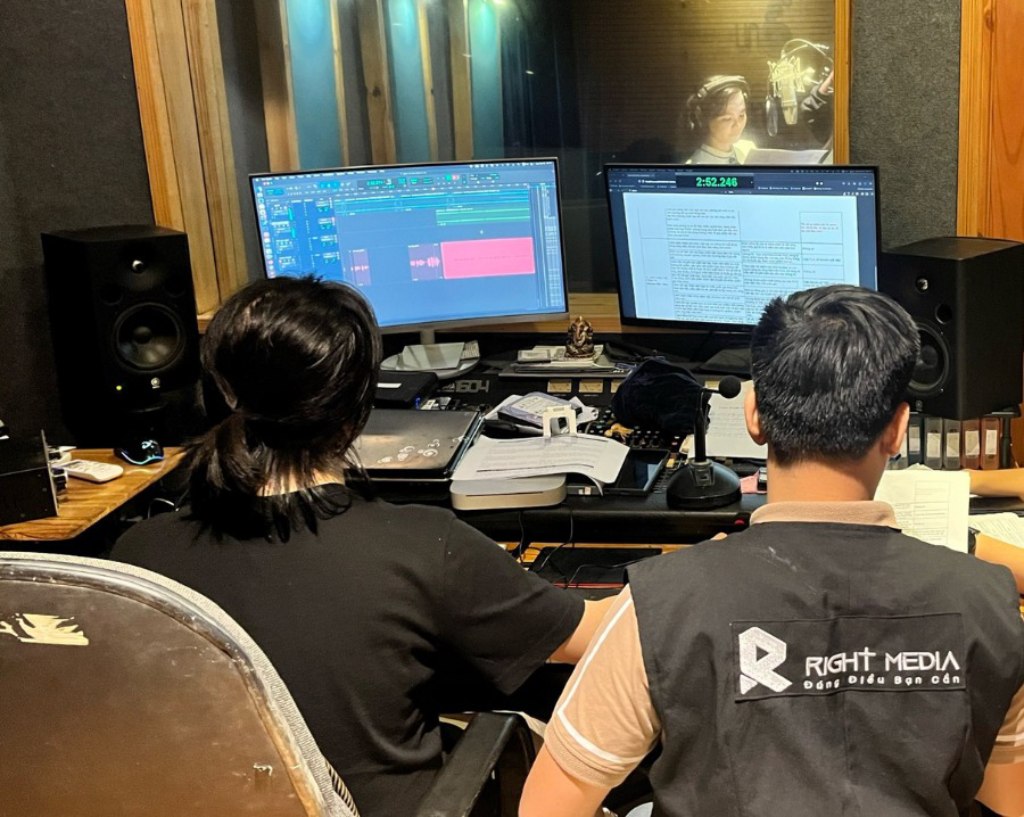
Post-production is one of the departments that helps finalize a film before its official release.
Colorist (Film color designer)
To ensure a film has a consistent color tone that suits each scene and the film's emotion, the colorists will conceptualize and adjust the colors themselves.
Sound Designer
As the sound designer, we create the soundscape for the film, helping to bring the story to life, making it realistic and emotionally rich. For example, the eerie sounds in horror films, the shattering of glasses, the roar of motorcycle engines, and footsteps are all created by our team of sound designers.
Composer
A composer is a person who creates and builds the film score to guide the emotions and support the narrative of a film. However, some films often collaborate with external composers, especially for the main film score.
VFX Artist
For action and horror films, a VFX artist is an indispensable position in the film crew. This unit handles visual effects to create scenes that are impossible to achieve in real life or to enhance realism. Examples include explosions, smoke and fire, magic, virtual settings, and digital characters.
Other parts
Other parts of the film crew include the 1st AC / Focus Puller, 2nd AC, Still Photographer, etc.
Sound Unit
The Sound Department is responsible for capturing, processing, and perfecting the sound for a film, ensuring clear, realistic, and emotionally rich audio quality.
- On-location recording: Recording dialogue and ambient sounds during filming.
- Audio quality control: Ensuring clean sound, minimizing background noise and technical errors.
- Sound design & processing: Creating sound effects, ambiance, and Foley effects for post-production.
- Collaboration with other departments: Working closely with the director, cinematographer, and post-production team to synchronize video and audio.
- Audio completion: Mix and master the audio before release.
Props Department
The props department is responsible for preparing, managing, and arranging the items that appear in a scene, contributing to creating a realistic setting and supporting the actors' performances.
- Prepare props according to the script: Find, buy, rent, or create items that match the setting, time period, and character's personality.
- Acting support: Providing props for actors to interact with, helping to make actions and emotions more natural.
- Ensure continuity: Maintain consistency in the position and state of props between shots.
- Coordinate with the director and art director: Ensure that props harmonize with the setting, costumes, and visual style.
- Prop management and maintenance: Arranging, controlling, and replacing props throughout the filming process.
Production Support
Although rarely mentioned, the logistics team is extremely important and essential. This is a highly versatile department that can support many areas, ensuring all operational and organizational conditions are met so that filming proceeds smoothly, on schedule, and safely. Tasks that the logistics team can handle include:
- Accommodation and transportation arrangements: Arranging transportation, accommodation, and meals for the crew and actors.
- Preparing the filming location and setting: Obtaining filming permits, setting up the space, and ensuring suitable working conditions on-site.
- Equipment & Supplies Management: Transporting and storing props, filming equipment, and lighting according to schedule.
- Studio operations support: Maintaining order and assisting various departments throughout the filming process.
- Safety and schedule assurance: Minimize risks and handle unforeseen issues to avoid disrupting the filming schedule.
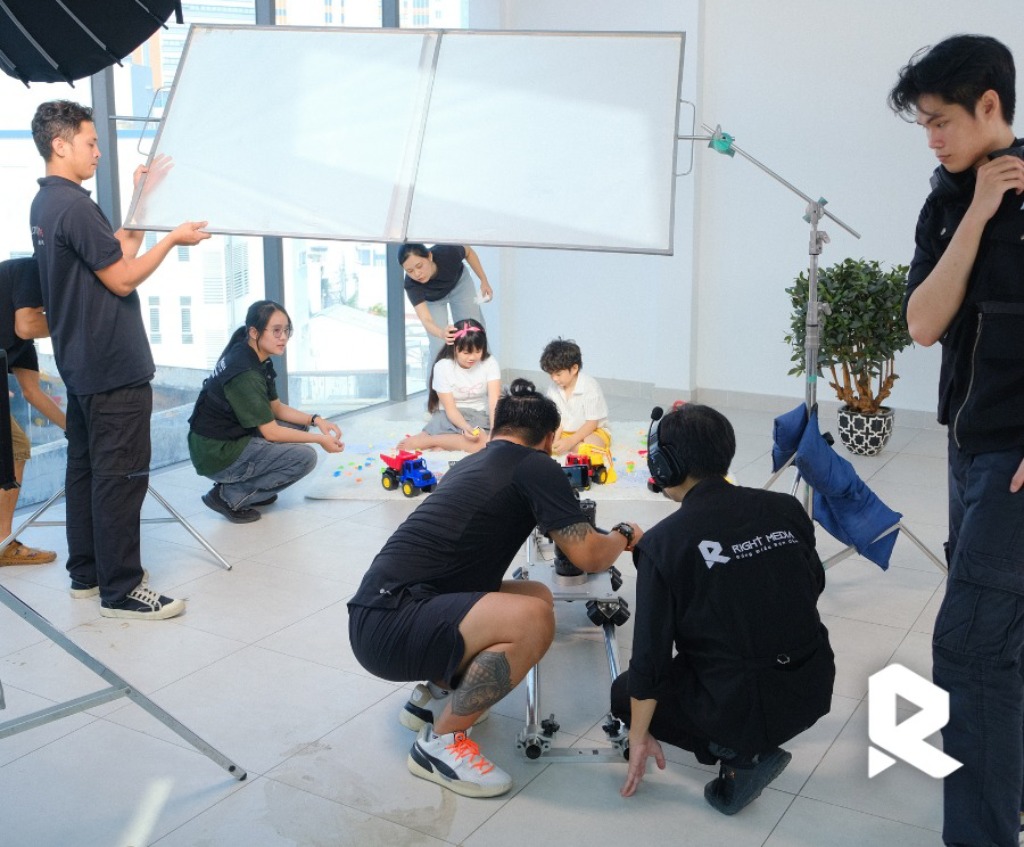
The Logistics team handles many support roles to make the filming process easier and more time-efficient.
Legal and Administrative Unit (depending on the project)
One important but rarely mentioned role within the film crew is the Legal and Administrative Department. The main responsibilities of this department include:
- Legal & Licensing: Obtaining filming permits, copyright agreements, location agreements, and image consent forms.
- Drafting and managing contracts: Contracts for actors, crew, partners, and suppliers.
- Administrative record management: Storing documents, certificates, personnel lists, and insurance records (if applicable).
- Legal risk control: Ensuring that content, images, and music do not infringe on copyrights or other legal regulations.
- Production Support: Coordinate with Producers and other departments to handle procedures throughout the production process.
Each department in a film crew plays a unique and irreplaceable role, from production, directing, cinematography, and sound to post-production. The seamless coordination between these key roles is what creates a complete, polished, and emotionally rich film. Understanding the responsibilities of each department will help you appreciate the value of the effort behind every frame on screen.