
2D films are animated films or cinematic products created in a two-dimensional space, lacking depth. 2D animation techniques are one of the traditional methods of filmmaking, but this type of animation is becoming less common as 3D special effects emerge.
What are 2D films? How are they used?
2D films are films created in a two-dimensional space (width and height), but lack depth. Typically, 2D films are animated, not as vibrant as modern 3D films, and the characters' movements are less realistic and less smooth, especially for complex details.
You can easily watch 2D movies at home on TV programs, via computer, mobile phone, or other electronic devices. Although not as realistic as 3D movies, 2D films are still a noteworthy development in the film and television industry.
To provide viewers with a better experience, 2D films are increasingly being used. Besides animation, 2D technology is also widely used in advertising and media products to convey brand and product messages. You can apply 2D filmmaking techniques to create advertising scripts.

Key features of 2D films
2D films have distinctive features that set them apart from other forms of animation, such as:
- 2D flat image: This is one of the most recognizable characteristics of 2D films. Traditionally, animators would draw details on a flat surface, without exploring depth or three-dimensionality of characters and events in the film.
- Use hand-drawn or digital drawings: Since their creation, 2D films have primarily been hand-drawn frame by frame, with these frames then pieced together to create motion. However, today, with the development of modern technology, 2D films are created more easily and conveniently thanks to digital software.
- Diverse artistic styles: Films are produced in a variety of styles, from stylized to realistic. Filmmakers can unleash their creativity, without being limited in terms of imagery and expression.
- Smooth movement: 2D films don't delve into complex details like gravity or lighting. However, if filmmakers meticulously and precisely execute each image second by second, 2D films can still appear as smooth as normal films.
- Fast production time: Compared to 3D films, 2D films have a faster production time due to the movement and scenery. This also reduces production costs.
- Focus on the story and emotions: The film features simple visuals and movements, with a focused narrative and emotional development, and the characters are explored in depth. For example, classic 2D Disney films have profound content, evoking emotions in the viewer through sound and visuals.
- Widespread popularity: The film appeals to a diverse audience, not just children but also adults. Nowadays, besides animated films, 2D special effects are also applied in television programs, commercials, and game shows, making them more lively at a very reasonable cost.
Limitations of 2D films in the modern era
The above are the outstanding features of 2D films; however, they also have certain limitations. Especially in this era of technological advancement, the emergence of 3D films has gradually replaced this older format.
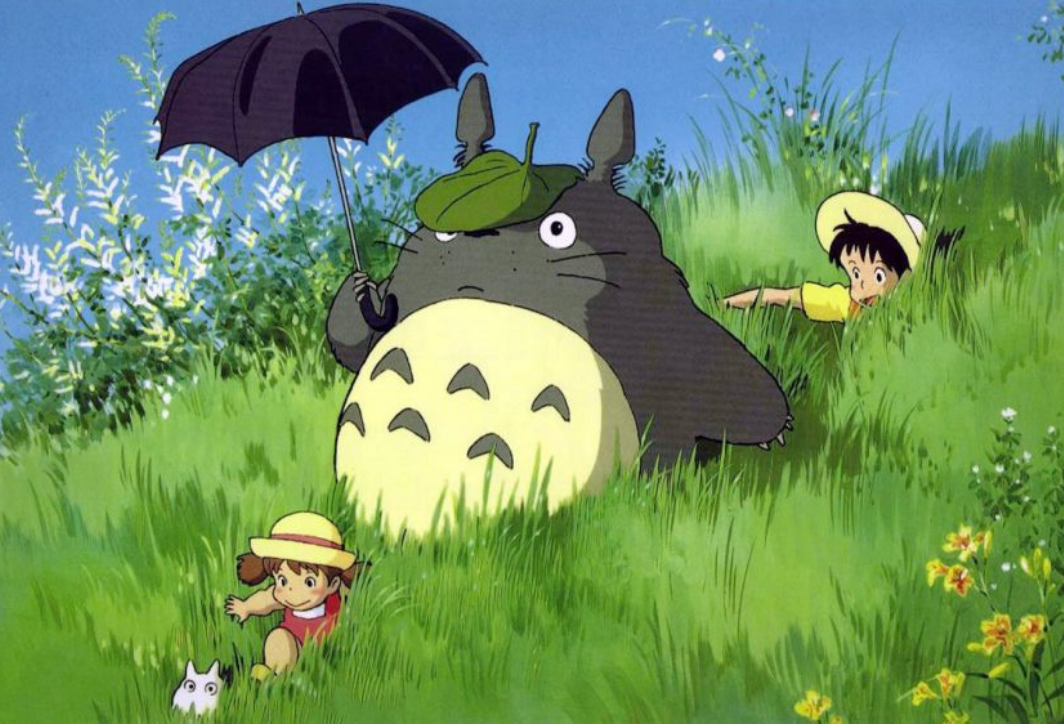
Here are the limitations of 2D films:
- There is no 3-dimensional space: Unlike 3D films, 2D movies lack depth. The images are not as realistic and vivid as modern 3D films. Furthermore, effects such as lighting, shadows, and stereoscopic effects are difficult to replicate.
- Limitations in complex movements: Two-dimensional films often struggle to simulate highly complex movements that require realism. For example, a scene where a character rotates their body or moves through three-dimensional space will be difficult to execute realistically. Additionally, scenes requiring fast movement or movement in large spaces will appear somewhat stiff and not smooth.
- A lot of effort goes into detailed scenes: Some projects are quite complex, involving multiple scenes and characters simultaneously, requiring careful framing and composition to create a harmonious and logical effect. This necessitates a large workforce, meticulous attention to detail, and a high level of effort, time, and expense for the production team.
- Reduced appeal to younger audiences, limited ability to interact with new technologies: This is also a limitation of 2D films; compared to other realistic genres, 2D films are less appealing, especially with the emergence of new technologies. Younger audiences choose 3D films more often because they have realistic and vivid images and graphics. Furthermore, 2D films are difficult to access and interact with using new technologies such as VR, AR, or other new interactive film technologies.
Besides the aforementioned limitations, 2D films also struggle to compete with 3D films in the market, being limited in terms of special effects development and heavily reliant on the hand-drawn animation skills of the artists. Therefore, although still very appealing, in today's digital age, they are gradually being replaced by new technologies and special effects to meet audience demands.
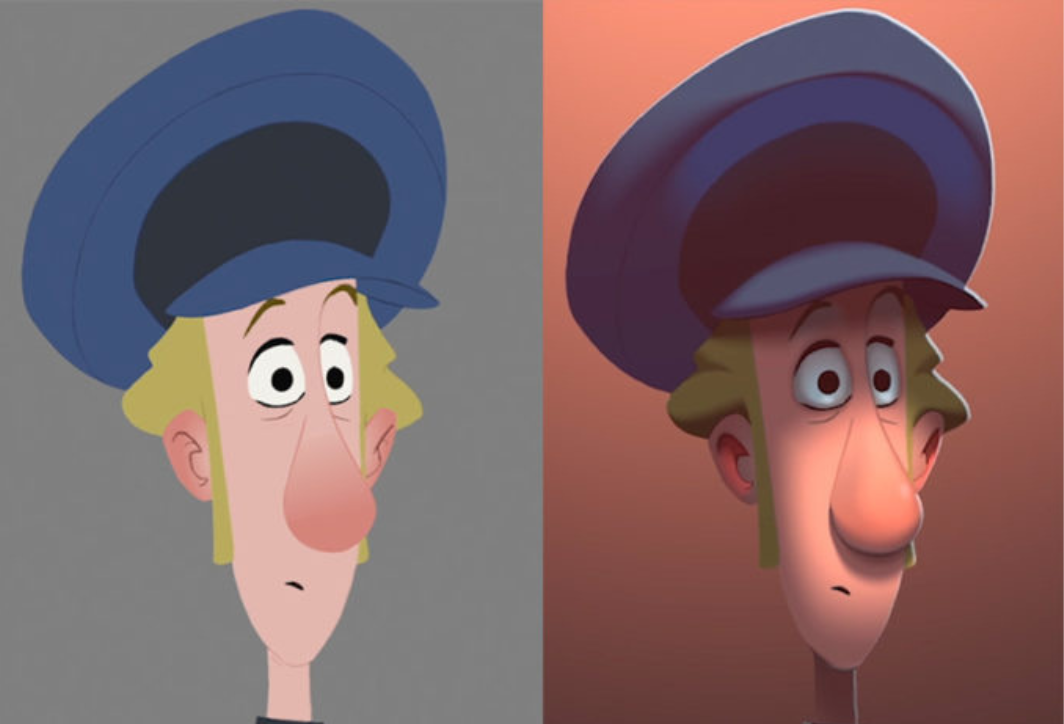
The difference between 2D and 3D movies
As mentioned above, 2D films cannot capture highly detailed and complex movements. 3D films, on the other hand, explore this further, making scenes look more realistic and engaging. However, there are many other differences between the two, including:
In terms of space and dimension:
- 2D films have two dimensions: height and width. The images are flat and lack depth.
- 3D movies have three dimensions: height, width, and depth. This creates a feeling of being in real space, with realistic and vivid images.
Regarding production technology:
- Early 2D animation films were hand-drawn, with each detail meticulously drawn and then pieced together to create the movement of a character. With the development of digital software, the film production process is now simpler, but it still relies heavily on the artist's talent.
- 3D films utilize graphics software such as Autodesk Maya, Blender, or Cinema 4D, exploiting three-dimensional motion. Character movements are simulated with fluidity and precision down to the smallest detail.
Regarding movement:
- Movement in 2D films is relatively simple, so it can sometimes lack realism, especially in scenes where characters have to move or turn.
- 3D films can create more complex and realistic moving scenes thanks to their ability to simulate and seamlessly coordinate physical elements, making the characters appear to exist in real life.
Regarding imagery and artistic style:
- For 2D films, producers often focus on creating stylized or minimalist imagery. Colors and lines can be easily adjusted to suit different styles.
- For 3D films, the images created have depth, ensuring that even intricate details are accurately and realistically reproduced. However, 3D films also incorporate elements of stylized animation to reduce costs and other issues.
Regarding lighting and shadow effects:
- The lighting and shadows in 2D films are created in a flat style, limiting scenes that require lighting similar to real life.
- 3D films offer superior simulation capabilities, with character shadows rendered accurately, just like in real life. Additionally, effects such as changes in camera angle and light source position are more vivid and realistic.
Production costs and time:
- 2D films are less expensive than 3D films. However, for projects requiring high detail, artists have to draw many frames, which takes time and effort, and of course, the cost will be higher.
- 3D films are expensive and time-consuming to create realistic movements. However, the settings and characters created are completely reusable and can be easily adjusted.
Viewer experience:
- With its flat, simple style, 2D films offer a realistic and intimate feel. Classic animated films in this style are still loved by many children. Instead of focusing on visuals, 2D films maximize emotional elements and concentrate on unfolding a captivating and meaningful story.
- 3D movies offer an impressive visual experience, allowing viewers to immerse themselves in a fantasy world.
Application:
- 2D films are used in traditional animated films, Japanese anime, or television programs.
- 3D films are used in blockbuster movie projects, action films, films requiring high-level special effects, video games, applications, etc.
Trends and developments:
- Despite a declining trend in the age of technological advancement, 2D animation still holds an important place in many popular animated films, video games, and more.
- 3D movies are increasingly popular and dominating the market.
In summary, both 2D and 3D films have distinct characteristics, serving different purposes and catering to the preferences of various audiences. 2D films excel in creative style and simplicity of production, while 3D films stand out in their ability to recreate reality, creating a more vivid and interactive experience.





 English
  Vietnamese