

Advertising is a tool that helps businesses spread their products, services, and brand image more widely in the market. Beyond simply conveying information, advertising also contributes to building awareness and influencing consumer purchasing decisions. Currently, advertising is implemented in diverse forms, opening up many opportunities for more effective access and interaction with potential customers and partners.
What is advertising?
"Advertising" is an extremely common term, almost everyone has heard of it, but not everyone has a deep understanding of it.
According to Resolution No. 51/2001/QH10 on the Law on Advertising, advertising is defined as "the use of means to introduce products, goods, and services to the public for profit-making purposes." Simply put, it is an activity that helps businesses reach customers and partners, convey information about products, services, or brands to promote sales.
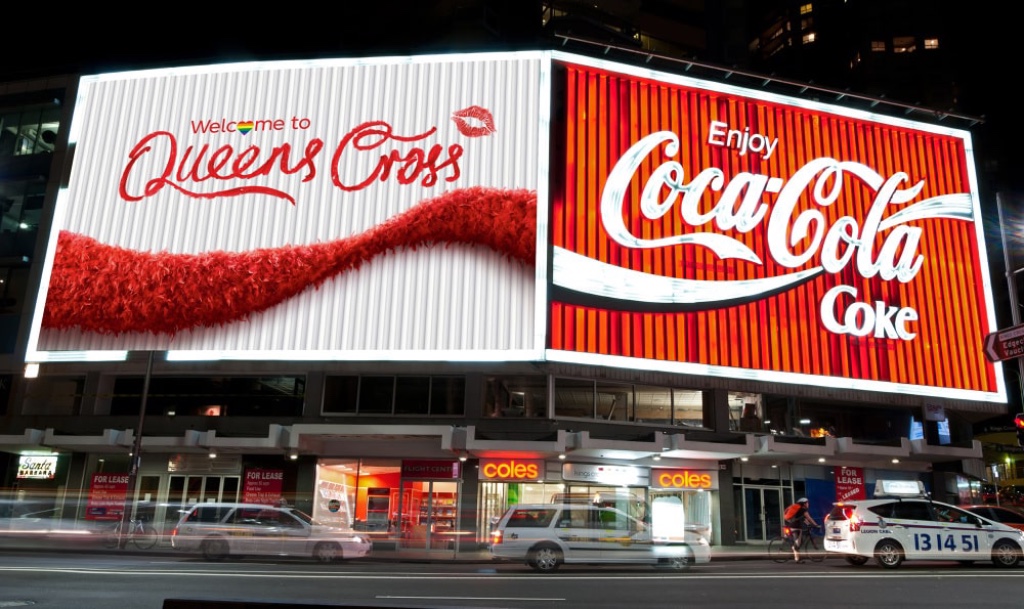
Advertising is a broader way to reach customers and stimulate purchasing demand.
Today, advertising is widespread across multiple channels, from television and newspapers to outdoor banners, social media platforms, and digital environments. Not only large corporations, but also startups and individuals building their own brands are actively investing in advertising as a crucial tool to reach customers, increase brand awareness, and drive growth opportunities.
Characteristics of advertising
Advertising possesses unique characteristics that clearly reflect its nature and role in communication. Understanding these characteristics helps brands guide how to build their messages and choose appropriate implementation methods, thereby enhancing the effectiveness of reaching and impacting customers.

Advertising has many distinctive characteristics in terms of form, implementation, and content production.
Some characteristics of advertising:
- Orientation-oriented: Strategically crafted advertising content aims to shape customer perceptions and influence their behavior. The primary goal is often to build rapport and encourage purchasing decisions.
- Information selectivityAdvertising focuses on conveying the outstanding and beneficial aspects of a product or brand. This is also one of the typical characteristics that many people immediately think of when mentioning the concept of "advertising."
- Popularity: Although still targeted to specific customer groups, the majority of advertisements utilize content that is easy to understand, wholesome, and widely accessible to a diverse audience.
- Creativity: In today's market, every advertisement needs to be innovative in its execution, script, and concept to attract customers and differentiate itself from competitors.
- Clear objective: Advertising always aims for specific goals such as increasing brand awareness, introducing products, or boosting sales. Therefore, content, messaging, and distribution channels are developed appropriately and with a clear direction.
- Brand identity: Regardless of the product or service being promoted, or the message or concept, the core element remains clearly showcasing the brand's colors and identity system. This increases consistency, creates a unique impression, and makes it easier for customers to remember the brand.
Popular forms of advertising today
One of the breakthroughs in the marketing communications industry in recent years is the diversification of marketing methods. This greatly benefits businesses, creating opportunities for startups and individuals wanting to build personal brands to reach customers more easily and establish a stronger brand position.
1. Traditional advertising
This is a long-standing form of advertising, utilizing media channels such as television, newspapers, radio, or outdoor formats like billboards, banners, etc. Traditional advertising typically has a wide reach, helping brands quickly increase recognition and build trust in the eyes of consumers.
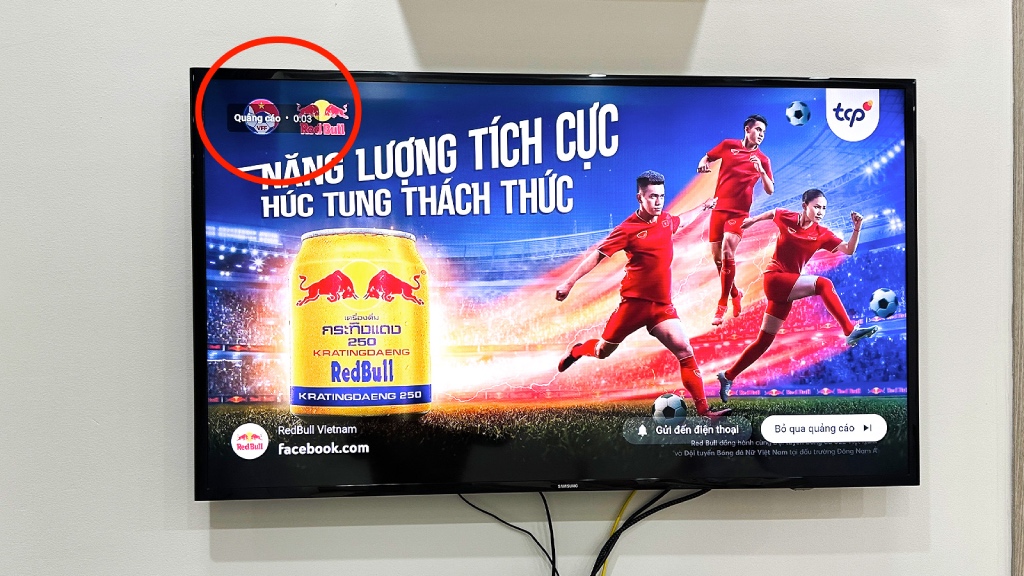
Despite the high cost, advertising on television channels remains a popular choice for large businesses.
2. Digital Marketing
Digital marketing is one of the most popular forms of advertising today, often more commonly known as "running ads." Its strengths lie in its flexible implementation, easy measurement of effectiveness, ability to reach the right target audience, and proactive budget control.
Retail, fashion, cosmetics, and F&B industries online often focus on running ads on platforms such as Facebook, Instagram, TikTok, Google, YouTube, etc.
3. Social media advertising
In recent years, advertising through social media platforms has become increasingly popular. The fact that users of all ages spend more time on social media has facilitated the rapid spread and widespread reach of this form of advertising. Furthermore, social media advertising can be effectively combined with other ad campaigns to optimize reach and conversion rates.

Livestream advertising has become very popular in recent years.
This format places particular emphasis on content and interaction, such as:
- Short videos, reels, viral content
- Seeding in communities
- Livestream sales
On the other hand, this format allows businesses to proactively implement and flexibly control their advertising budget. In many cases, even without spending too much, content can still reach a large number of customers if it is engaging enough and has the potential to spread.
However, to achieve this effectiveness, content needs to be creatively developed, accurately reflect trends, and align with user behavior on each platform. When combined with creative content and a sound distribution strategy, social media advertising can deliver high effectiveness in both reach and conversions.
4. Content Marketing (content advertising)
In fact, this is one of the oldest forms of advertising and remains effective to this day. Content marketing focuses on building and distributing valuable content to attract, retain, and nurture potential customers. Businesses in the food, healthcare, beauty, and technology industries often apply this method.
Common forms of content marketing include:
- Blog post, SEO-optimized content.
- Video storytelling, corporate films
- Podcast, ebook
In other words, this model doesn't focus on direct sales but rather on building trust and long-term relationships with customers.
5. Influencer Marketing
This form of advertising leverages the influence of individuals with a certain level of credibility and a large following to convey brand messages and introduce the brand. Through collaboration with KOLs, KOCs, or content creators, businesses can reach the right target audience in a more natural and relatable way.

Many businesses choose to use celebrities to reach customers.
Influencer marketing also helps build trust and drive purchasing behavior because consumers tend to trust the experiences and reviews of those they follow. This form of marketing is particularly popular in industries such as cosmetics and fashion due to its ability to create a clear communication effect.
The cost of collaborating with KOLs/KOCs is often quite high, ranging from tens to hundreds of millions of Vietnamese dong, especially for individuals with a large following on various platforms. Furthermore, the results sometimes don't meet the company's expectations. Therefore, choosing the right influencer and developing a clear implementation strategy are key factors in optimizing effectiveness.
6. Modern Outdoor Advertising (DOOH)
DOOH (Do-Oh!) is a form of outdoor advertising that integrates digital technology, using LED, LCD screens, or digital display systems in high-traffic areas to spread brand messages and images. Compared to traditional outdoor advertising, DOOH offers flexible content display, easily adaptable to different times, locations, or target audiences.
This format significantly increases brand recognition thanks to its high display frequency and prime locations, while creating a striking visual impact with vivid imagery. When deployed in high-traffic areas such as intersections, airports, or shopping malls, the advertisements easily attract attention and are memorable to viewers.
However, the investment cost for this form of marketing is usually high, so it is mainly suitable for businesses with large budgets or campaigns requiring wide reach. Therefore, individuals building brands or small businesses and retailers rarely choose to implement it.
7. Experiential advertising (Activation, Event)
This form of advertising focuses on creating immersive experiences, allowing customers to directly interact with the product or brand through activities such as events, experience booths, roadshows, or point-of-sale activations.

This format helps increase brand recall and create a strong impression, because customers not only "see" but also "experience" the brand. At the same time, it's an opportunity for businesses to connect directly, gather feedback, and encourage immediate purchases.
However, experiential advertising typically requires significant organizational costs, personnel, and preparation time, making it suitable for short-term campaigns or product launches and brand building activities.
SUMMARY
Advertising is becoming increasingly diverse in form, from traditional to modern, from online to offline, meeting the various goals and needs of businesses. Each form has its own advantages and limitations, suitable for different strategies, budgets, and target audiences. Businesses should consider flexibly combining multiple advertising methods to optimize effectiveness, increase reach, and improve customer conversion rates.
In addition, if your business needs to collaborate with professional visual media production companies, contact Right Media for advice and support in developing suitable solutions to optimize brand communication effectiveness.
CONTACT US