
Terms like VFX and CGI can be confusing when you first enter the field of graphic design. Don't worry, this article will summarize everything you want to know in the most complete and easy-to-understand way.
What is VFX?
VFX, short for Visual Effects, encompasses high-quality graphics techniques used to create scenes that are difficult or impossible to film in real-world settings due to danger or sheer scale. The advantage of VFX is its ability to integrate with real-world footage and live action to create a seamless, logical visual experience that is engaging and believable for the audience.
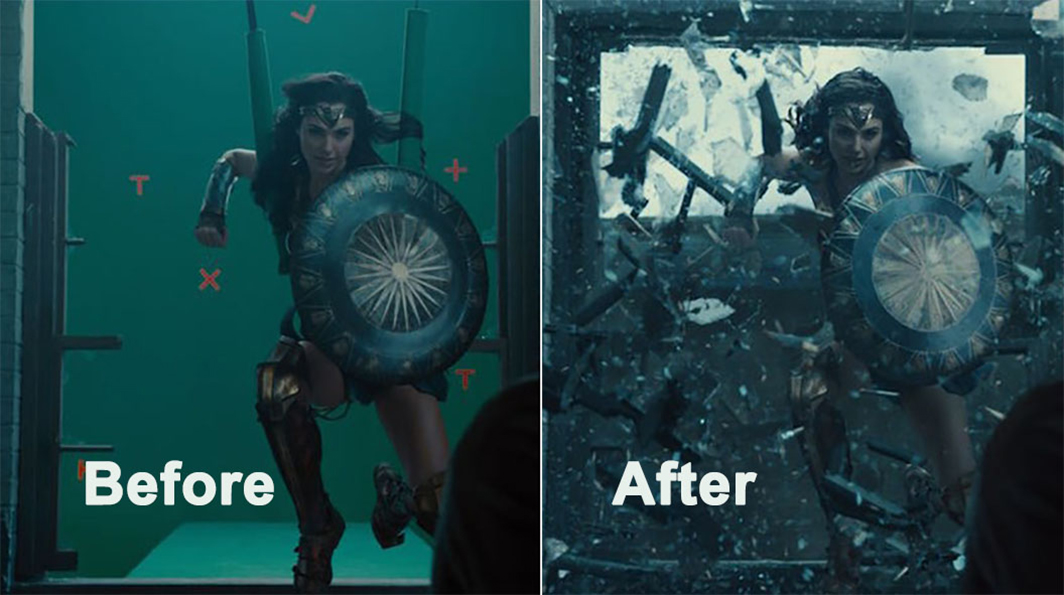
A typical example of VFX:
- The special effects depicting bomb explosions and destruction are realistic in Hollywood action films;
- Giant dinosaurs created using computer graphics are combined with real-life footage of actors;
Some commonly used VFX technologies include:
- Keying (chroma key)This is a technique for separating color from footage with a green screen background, making it easier to blend real and virtual scenes.
- Compositing: Capable of synthesizing and combining images and footage from various sources into a single scene that is valuable and logical in terms of content;
- Matte Painting: A tool for drawing backgrounds or creating complex landscapes without needing real-world supporting scenes;
- Motion CaptureThis can be applied to the creation of animated or fictional characters, capturing the movements of real people and using them for digitally created characters;
What is CGI?
CGI (computer-generated imagery) refers to images created by computers, encompassing all digitally generated visual elements produced using computer technology, without the need for live action footage.
This is a versatile tool for creating digital art, including images, illustrations, and animations in both still and moving forms, as well as 2D and 3D. It can be applied in many different fields, including virtual reality (VR) and augmented reality (AR).
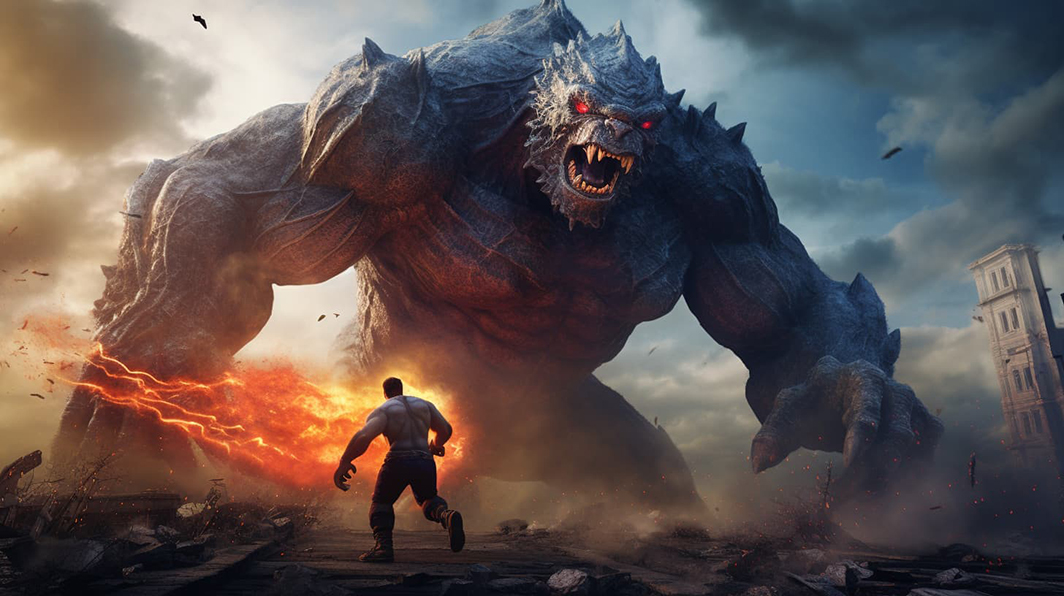
Typical examples of CGI:
- Creating key iconic characters like Gollum in the "Lord of the Rings" film;
- Creating a range of impressive landscapes and cities in popular animated films such as "Frozen" and "Toy Story";
- Creating alien characters, spaceships, or galaxies in science fiction films like Avatar;
Some commonly used CGI technologies include:
- BlenderA free, feature-rich 3D tool to help you with modeling, rendering, and animation.
- Maya: Professional, high-end 3D tools that allow you to create complex movements and effects;
- Unreal EngineOften used in game production, this technology is also employed in many famous films to produce high-quality, sharp images with vivid and realistic effects.
- 3Ds MaxThis technology stands out for its ability to create sharp, realistic 3D models and effects for various film and game development projects.
The difference between VFX and CGIs
Visual effects are cinematic techniques created by combining live-action footage and construct-image graphics (CGI) to produce realistic and explosive shots. CGI is a part of visual effects (VFX).
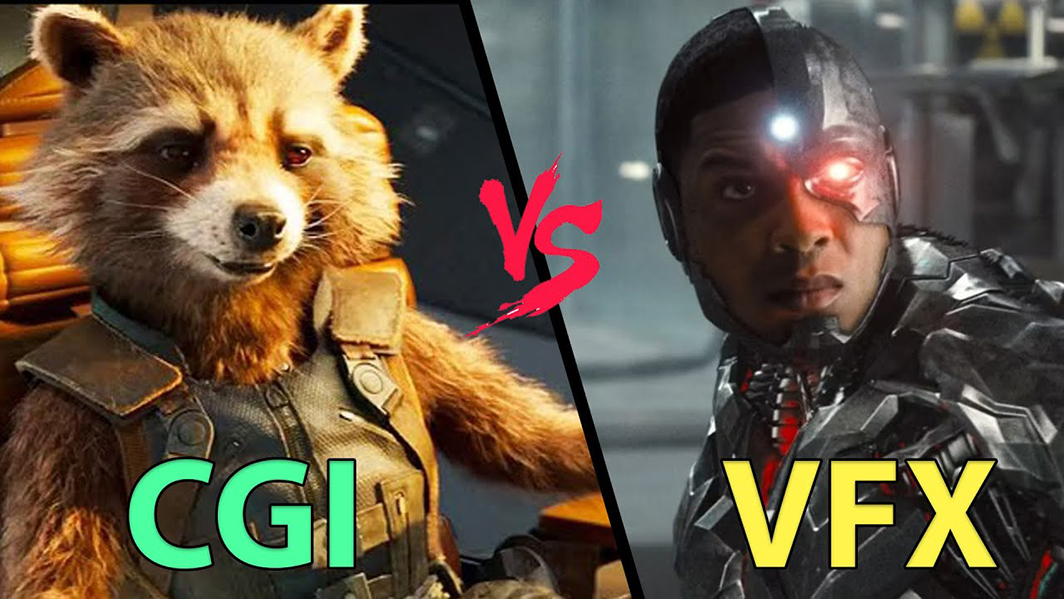
However, despite their close relationship, they still have distinct characteristics. For example:
Flexibility
VFX techniques are highly valued for their flexibility and adaptability in filmmaking. When used appropriately, these special techniques can make scenes feel realistic and seamlessly integrate into the storyline. They also allow directors to freely add or interweave digital props, integrating them with human-acted footage.
CGI, on the other hand, is less flexible because it's difficult to add or change elements that have already been designed and fixed. Making changes would be costly and time-consuming.
Expense
When comparing costs, VFX is generally more expensive than CGI because it requires a higher level of complexity, meticulous detail, and expertise from top professionals. Additionally, the software and equipment used for VFX are specialized, further driving up costs.
Regarding CGI specifically, although it initially requires significant investment in equipment and technology, once the technique is fully mastered and used proficiently and regularly, the resources created by CGI can be reused for many other projects. This helps to gradually reduce costs over time.
Creativity, authenticity
While VFX aims to recreate everything as realistically as possible, blending real-life scenes and effects, CGI focuses on the unrealistic, man-made world, from characters to mythical creatures, the universe, or futuristic cities and architecture.
In summary, both VFX and CGI techniques offer certain advantages, playing a crucial role in making films and images sharp, realistic, and spectacular. Depending on your needs, you can use them individually or combine them to create engaging and captivating visual experiences.





 English
  Vietnamese