

What is the Rule of Thirds in filmmaking? Understanding this concept will help you film more effectively. Right Media will help you decipher the questions surrounding this issue. Let's explore the Rule of Thirds in the content below.
Decoding the concept of the rule of thirds in filmmaking.
The rule of thirds in filmmaking is a fundamental principle of composition, helping you arrange elements in the frame harmoniously and naturally. Many people start filming but don't fully understand the concept and how to practice it correctly. This greatly affects video quality.
To put it simply, with a modern smartphone, you can use the framing feature to divide your image into nine equal parts by two horizontal and two vertical parallel lines that intersect at four points. These lines and intersection points are the "golden rulers" for arranging your subject.
Instead of placing the main subject right in the center of the frame – a common mistake made by beginners that makes the shot static and lacking depth – the rule of thirds in filmmaking suggests placing important elements along the lines or at intersections, also known as “high points.”
- Lines: Used to align elements such as the horizon, buildings, or any straight lines in your footage.
- Intersections/Power Points: These are prime locations for placing the main subject or the most important details in a scene. The viewer's eye naturally tends to be drawn to these points.
In simple terms, applying the rule of thirds makes it easier to create a balanced and pleasing composition for the viewer, making your footage look more professional and purposeful.
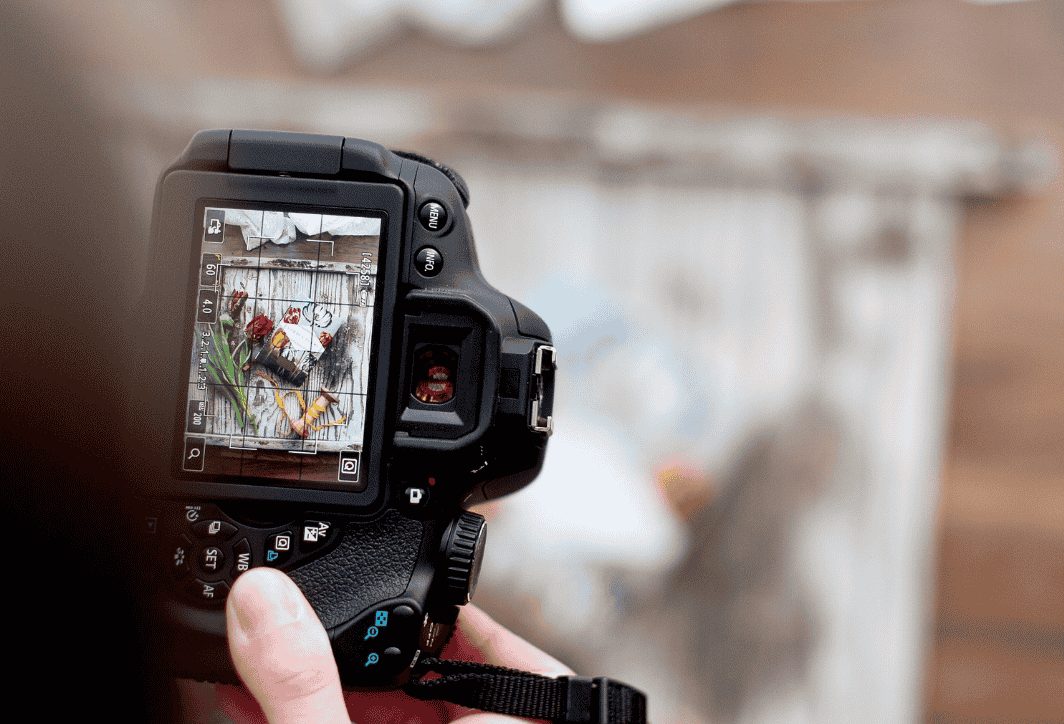
What is the role of the rule of thirds in filmmaking?
Have you ever wondered why just a small change in subject placement can make such a big difference? The rule of thirds in filmmaking plays a crucial role, not only aesthetically but also in storytelling. Its benefits include:
- Create balance and harmony in the frame: By placing the subject off-center, you create negative space on the opposite side, making the frame more balanced and harmonious. This deliberate asymmetry creates an interesting visual balance, avoiding a rigid or monotonous feel.
- Guide the viewer's gaze: The human eye naturally tends to scan an image rather than focusing on a single point. When you position the subject at one of these strong points, you are actively guiding the audience's gaze. They will look at the subject first, then explore the rest of the frame, creating a natural and engaging viewing experience.
- Increase the depth and space of the shot: Off-center subject placement creates a sense of space and depth. Viewers can perceive the surrounding environment, making the scene more dynamic and providing a clearer context. Especially in landscape shots, applying the rule of thirds by placing the horizon at the top or bottom third line creates a feeling of vast, majestic space.
- Create drama and dynamism: A composition that follows the rule of thirds often feels more dynamic and "moving" than a center-centered composition. It allows the subject to "look" or "move" into the empty space within the frame, creating anticipation and drama for the viewer.
- Enhance professionalism: This is one of the clearest indicators of a professionally shot video versus an amateur one. Mastering this rule demonstrates an understanding of visual language and composition, leading to higher praise for your work.
A guide to applying the rule of thirds in filmmaking.
That's the theory, but how do you effectively apply the rule of thirds in filmmaking in practice? Most digital cameras, camcorders, and even smartphones today have a grid option to help you. Turn this feature on and start practicing:
1. Position the subject based on its strengths:
This is the most common and effective approach. Instead of placing the main character or object in the center, position them at one of the four intersection points.
- When filming interviews or portraits: Position the character's eyes on one of the two strong points above. This not only creates a beautiful composition but also helps the audience connect more strongly emotionally with the character. If the character is looking in one direction, leave some space in the direction they are looking to create a natural feel.
- When rotating an object: Place the most important detail of the object at its strongest point. For example, if you're filming a flower, place the pistil at the intersection point.
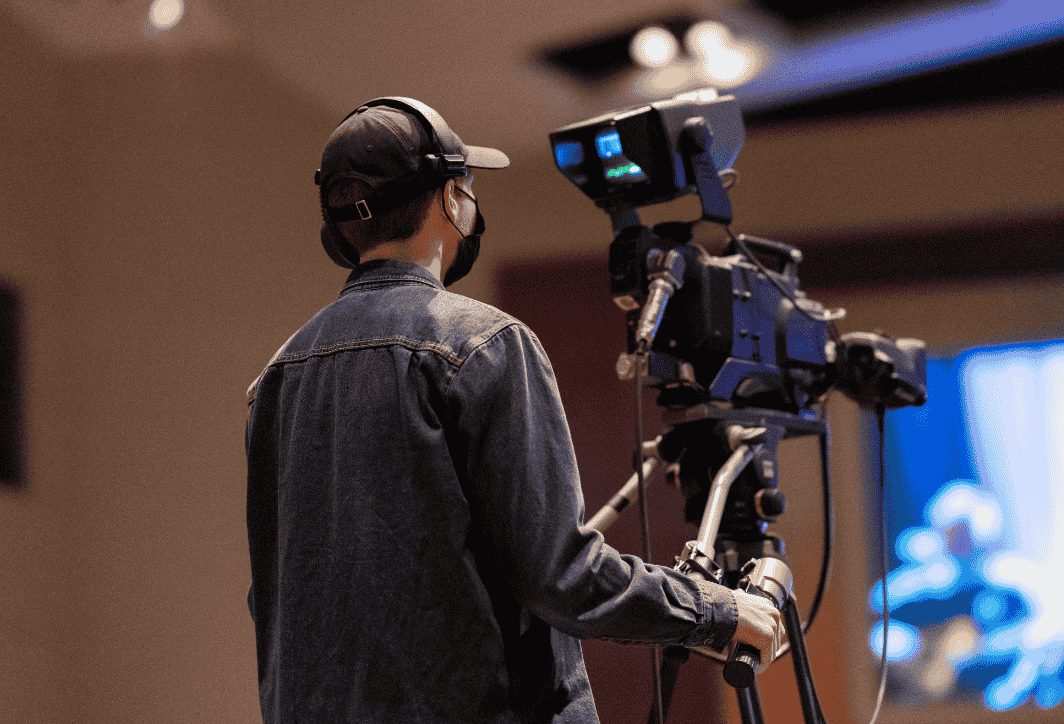
2. Align the horizon line:
This is a classic mistake that many beginners make: Placing the horizon line right in the middle of the frame divides the scene in a boring way.With the rule of thirds in filmmaking, you have two better options:
- Place the horizon line at the bottom third line: When you want to emphasize the sky. For example, a spectacular sunset or an impressive cloudy sky.
- Place the horizon line at the top third line: When you want to focus on the foreground. For example, a long stretch of beach, a field of flowers, or a winding road.
3. Combine with other elements in the frame:
The Rule of Thirds will be most effective when combined with other factors such as:
- Leading Lines: Utilize natural lines in the shot (roads, fences, rivers, etc.) to guide the viewer's eye to the subject, which is already positioned at a strong focal point.
- Motion Space: When filming a moving subject (pedestrian, vehicle), always leave some space in front of them in the direction of their movement. This creates the feeling that the subject has "room to move," making the shot smoother and more pleasing.
Some things to keep in mind when applying the 1/3 rule for beginners.
Although an extremely useful tool, the rule of thirds in filmmaking is not an immutable law. Sometimes, breaking the rule can create unique and powerful visual effects. Here are a few things to keep in mind:
- Understand when to break the rules: When you want to emphasize symmetry, perfect balance, or solemnity, placing the subject right in the center is the best option. Sometimes, the director's intention is to make the audience feel uncomfortable. Deliberately breaking compositional rules, such as placing the subject too close to the edge of the frame, can serve this artistic purpose.
- Rules are just guidelines, not laws: Don't be too rigid; consider the rule of thirds as a starting point. Sometimes, placing the subject slightly off-center creates a more natural composition. Trust your eye for aesthetics.
- Practice, practice, and practice! The best way to master the rule of thirds in filmmaking is through consistent practice. Turn on the grid on your phone and try filming everything around you, like a cup of coffee, a friend talking, a street scene… Gradually, you’ll be able to feel the composition without the grid.
- Don't forget the story: A beautiful composition is important, but it must serve the story you want to tell. Before you start shooting, answer this question: "Does this composition help convey the right emotions and message of the scene?"
In short, the rule of thirds in filmmaking is one of the most fundamental and powerful techniques that anyone behind a camera needs to master. It's not a complicated formula, but a simple principle that helps you arrange elements in the frame purposefully, creating more balanced, engaging, and professional footage.





 English
  Vietnamese