
What is 3D movie? You've probably seen 3D movies somewhere with their multi-dimensional, vivid, and captivating images. However, you may still not fully understand this concept. In the article below, Right Media will answer your questions about 3D movies.
What is a 3D movie? A comparison between 2D and 3D movies.
To best understand this technology, let's start with the most basic concept.
What is a 3D movie?
3D films (3-Dimensional Film) are a type of film that uses computer graphics technology to create images with depth, giving viewers the feeling of actually being in the film's space.
Simply put, while 2D images only have width and height, 3D images have an additional dimension: depth. It is this depth that creates the groundbreaking difference; it tricks our brains, making us perceive the distance between objects – near and far – creating an incredibly realistic and vivid three-dimensional spatial experience.
To watch 3D movies, we usually need a pair of special glasses (polarized or shutter glasses). These glasses separate two superimposed images on a screen, with each eye viewing a different image from a slightly different angle. The brain then automatically combines these two images, creating the illusion of 3D space.
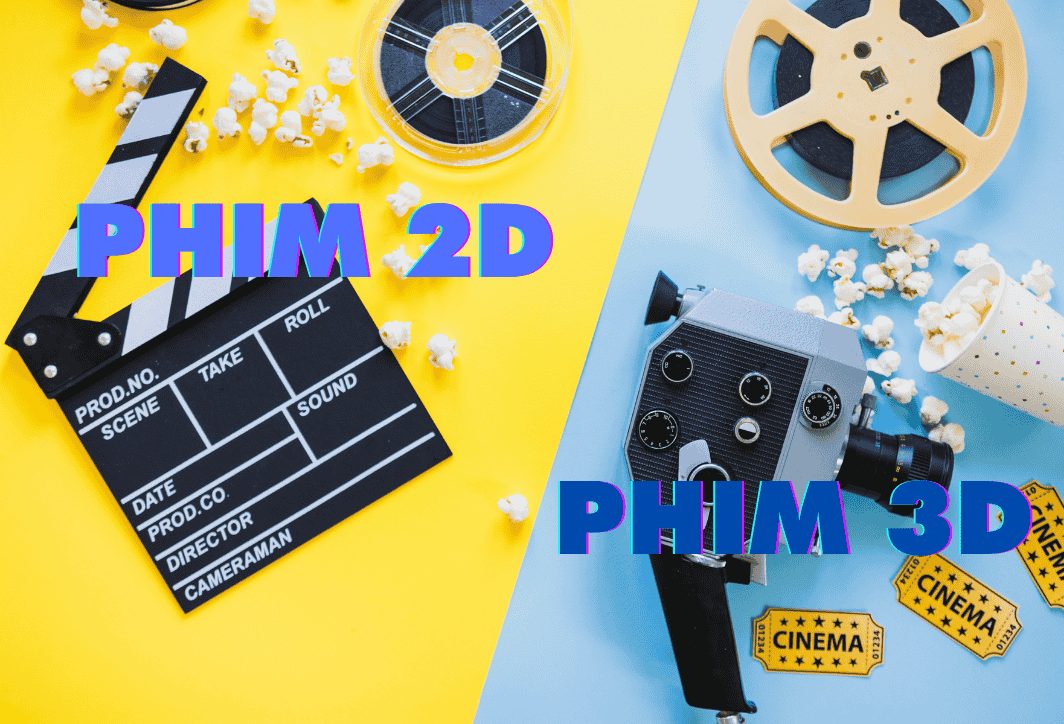
A quick comparison of 2D and 3D movies.
Many people often confuse or don't clearly distinguish between 2D and 3D movies. Let's compare them to see the differences:
Overall, the biggest difference lies in depth and realism. 2D films offer simplicity, classicism, and accessibility, while 3D films provide a superior, visually stunning, and incredibly impressive experience.
Is making 3D films expensive?
This is probably a question many business owners and marketing directors ponder when considering this type of content. The straightforward answer is: Yes, the cost of producing 3D films is typically significantly higher than 2D films or traditional video production.
However, instead of just looking at the numbers, we need to understand why it's expensive and where that cost is allocated. The cost of creating a 3D video isn't fixed; it depends on many factors:
- Scenario and model complexity level: A video that only features a simple product like a water bottle will cost significantly less than a video depicting a complex production line or an animated character with detailed expressions and movements.
- Film length: Costs are typically calculated based on the number of seconds or minutes of the final product. The longer the film, the greater the rendering time and the more effort the production team puts in.
- Graphic quality and style: Do you want surreal images or a cartoon style? The closer the style is to reality, the higher the technical requirements and processing time, leading to increased costs.
- Visual effects (VFX) requirements: Fire, explosion, smoke, water, and transformation effects all require the expertise of special effects specialists, and this is one of the most expensive aspects of 3D film production.
- Personnel and production time: A 3D project requires a team of experts in various stages. The more complex and urgent the project, the higher the personnel costs.
The production company will advise and provide the most optimal solution to suit your budget. The cost of creating a 3D film varies depending on the project, so you should consider your company's budget to get the best quality product at the most reasonable price.
Professional 3D film production process
To create polished and visually stunning 3D films, the production team must follow a very strict and professional process. This process is usually divided into three main stages: Pre-production, Production, and Post-production. Let's explore the basic steps below:
- Step 1: Concept and Scriptwriting:
This is the starting point, the backbone of the entire project. The creative team will work with the client to define the goals, the message to be conveyed, and the target audience. From there, a detailed script will be written, describing every scene, action, dialogue, and sound.
- Step 2: Draw the storyboard and create the animation:
From the written script, the artists will sketch a storyboard to visualize each scene. The storyboard helps both the team and the client get an overview of the layout, camera angles, and movement. These images can then be compiled into a simple draft video called animatic, along with basic sound to determine the film's duration and rhythm.
- Step 3: 3D Modeling
This is where the 3D world begins to take shape. Based on concept art, 3D artists use specialized software to create 3D models of characters, products, houses, trees, and more. Everything you see in movies is created from this stage.
- Step 4: Creating textures and surfaces (Texturing & Shading):
The 3D model, once completed, is just a gray block. This step involves "dressing it up." Artists create textured surfaces (fabric, wood, metal, leather, etc.) and apply them to the model to make it look as realistic as possible.
- Step 5: Attach the rigging:
For characters or objects to move, they need an internal virtual skeleton. This process is called rigging. Rigging artists create joints and controls so that animators can make characters run, jump, and talk smoothly.
- Step 6: Animation:
This is the step where characters and objects come to life. Animators rely on the script and animatic to create movement for everything in the scene. This is a time-consuming and labor-intensive process, requiring meticulous attention to detail and a keen sense of motion.
- Step 7: Lighting:
Lighting determines the mood and tone of a scene. Lighting experts arrange virtual light sources in 3D space (similar to how a director of photography arranges lights on a real film set) to create day-night, sun-rain, dramatic, or romantic effects.
- Step 8: Rendering
Once everything is ready, the computer will begin the "rendering" process. It will synthesize all the data about the model, materials, motion, lighting, etc., to output each complete frame. This is the most resource-intensive and time-consuming step, potentially taking hours or even days to render just a few seconds of footage.
- Step 9: Compositing & Post-Production
Finally, the rendered frames will be stitched together. The post-production team will then perform color correction, add special effects, and integrate sound effects and background music to create the most complete and polished final product.
The application of 3D films in brand building.
With its ability to create limitless images and overcome all physical barriers, 3D films open up countless opportunities for businesses in promoting and building their brands. Specifically:
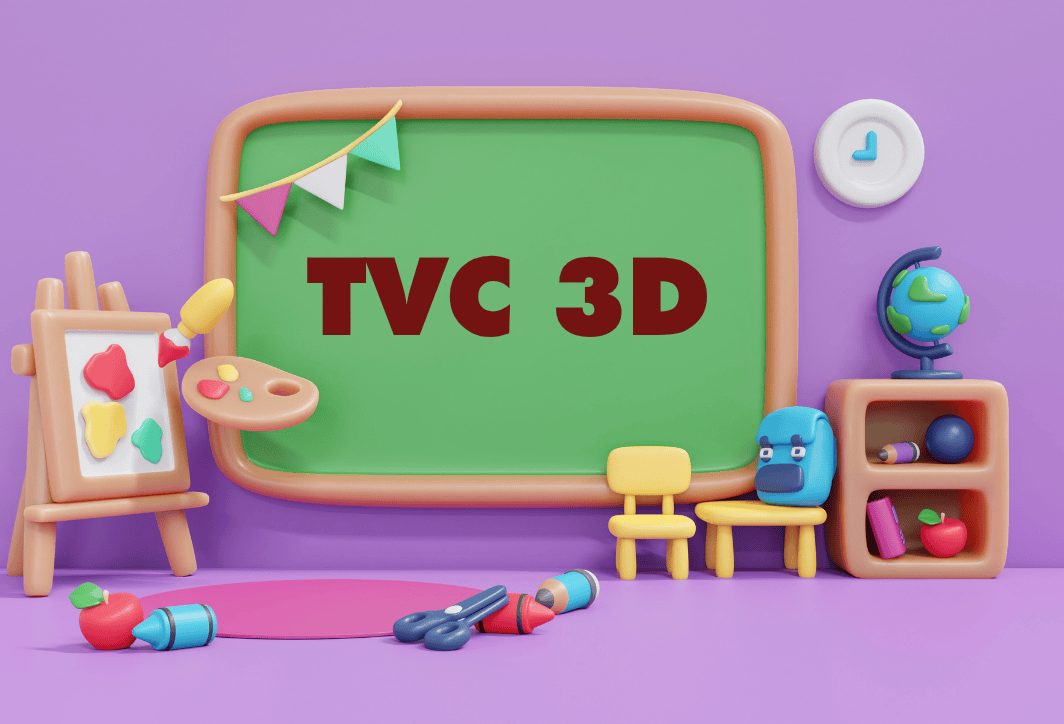
- Impressive 3D TV commercial:
Instead of conventional filmed TV commercials, 3D advertising can create whimsical characters, stunning visual effects, or fantastical settings that no film studio can replicate. This helps your advertisement stand out, be memorable, and completely different from the competition.
- 360-degree product introduction video:
How can customers see the internal structure of a car engine or a computer chip? 3D films can do that. They allow for a "split-screen" view of the product, showcasing every angle and feature in the most intuitive and detailed way, helping customers understand and trust the product more clearly.
- 3D architectural and real estate visualization films:
For the real estate industry, 3D films are an indispensable tool. They transform dry 2D drawings into vivid, lifelike visions of future buildings, urban areas, and apartments.
Customers can imagine themselves walking through their future home, experiencing the space, light, and amenities even before it's built, thereby accelerating their purchasing decisions.
- Corporate Video:
Instead of boring promotional videos, 3D films can simulate modern production lines, visualize complex operational processes, or showcase a company's vision and mission in a grand and inspiring way. This helps elevate brand image, creating a professional and large-scale impression in the eyes of partners and customers.
- Animated explanation video (Explainer Video):
For high-tech products and services or those with complex operating mechanisms (software, finance, healthcare, etc.), 3D video is the best way to simplify information. By using motion graphics, abstract concepts become easier to understand, helping customers quickly grasp the value your product/service offers.
Right Media – A reputable 3D film production company in Vietnam.
Right Media We are proud to be one of the leading companies specializing in providing comprehensive manufacturing solutions. corporate filmsTV commercials, and especially 3D films with superior quality.
Why should businesses choose Right Media for their 3D projects?
- A team of experienced professionals: We have a highly experienced team, well-trained both domestically and internationally.
- Professional workflow: Right Media applies the international standard production process as mentioned above, ensuring that every stage is strictly controlled, transparent, and always involves close communication and interaction with clients.
- Creativity knows no bounds: We are not just technicians, we are visual storytellers. Right Media always strives to find groundbreaking ideas and creative perspectives so that your products are not only beautiful but also have depth and touch the emotions of your customers.
- Cost and efficiency optimization: We understand your company's budget concerns. Right Media will listen, advise, and provide the most suitable solutions, helping you get high-quality 3D products at a reasonable cost, ensuring a return on investment.
- Commitment to quality and deadlines: Reputation is paramount. We are committed to delivering the highest quality final product and ensuring timely film delivery as agreed.
If you're nurturing a unique advertising idea, want to showcase your product spectacularly, or simply want to elevate your brand with high-quality 3D videos, don't hesitate to contact Right Media.
In short, 3D films are no longer a far-fetched technology reserved only for Hollywood blockbusters. Today, they have become a powerful marketing tool, a modern visual language that helps brands communicate with customers more impressively and effectively than ever before.




 English
  Vietnamese