

Basic filmmaking skills are the solid foundation that will help you confidently create professional and engaging videos, even with just a camera or even a smartphone. Especially for beginners, mastering these core principles will not only improve the quality of your work but also shape your personal style. This article will serve as a guide, comprehensively and detailedly summarizing the necessary skills to begin your journey to becoming a true filmmaker.
Basic filmmaking skills for beginners
After creating a detailed script, the next step is to transform the words into vivid footage. For beginners, mastering basic video shooting skills will make it easier to film and edit, capturing "valuable" moments that make the video engaging and appealing.
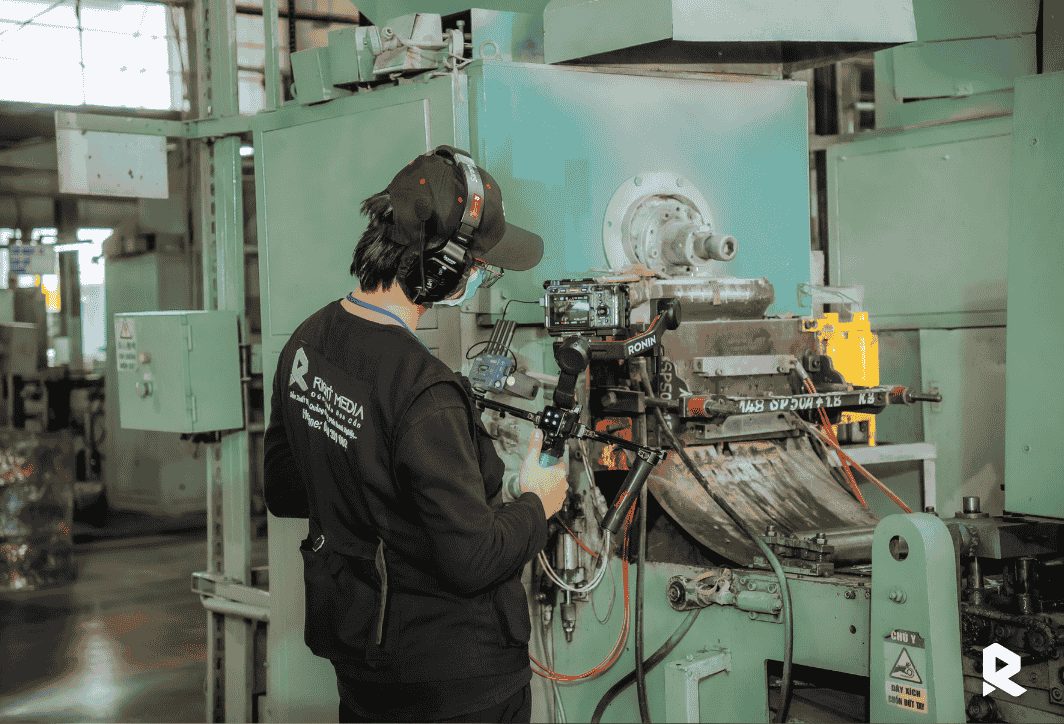
Below, we will guide you through the most basic skills, giving you the motivation to create your desired "masterpiece" even if you are just starting out in the profession:
1. Keep the machine stable and prevent vibration.
This is a crucial factor determining the professionalism of a video. Shaky, unstable footage will be unpleasant for viewers and reduce the quality of the content. Therefore, you need to pay special attention to this:
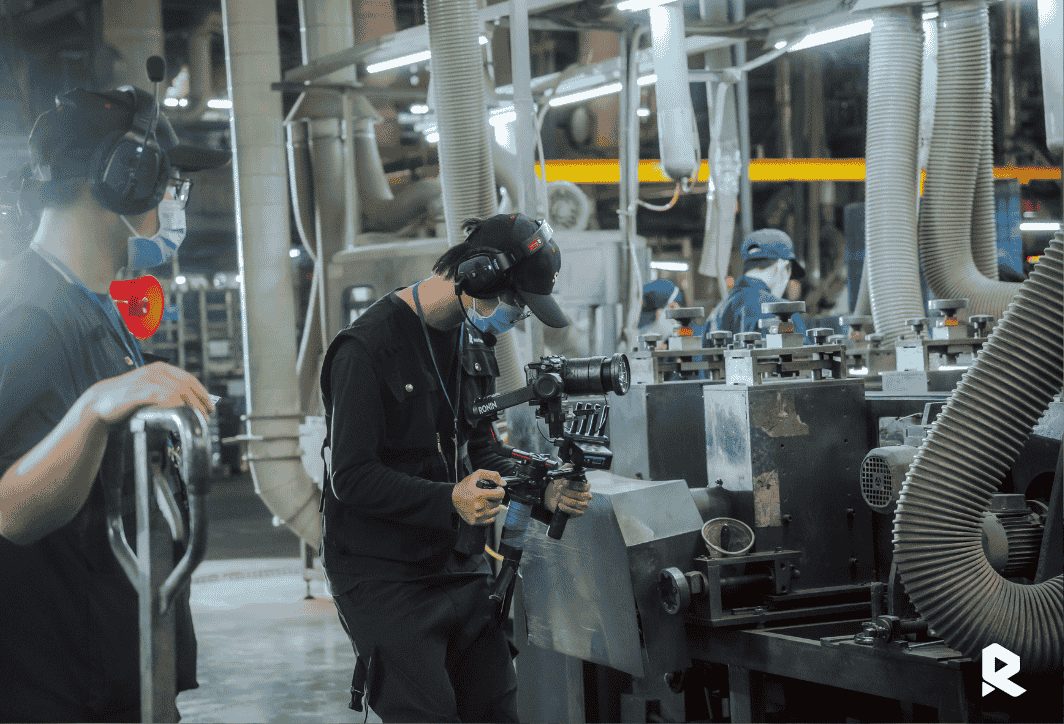
- Correct way to hold the camera: Hold the camera with both hands. One hand holds the camera body, the other supports the lens. Keep your elbows close to your body for a stable base. When moving, walk lightly and gracefully, with your heel touching the ground first, then your toes, to minimize vibrations.
- Take advantage of the support points: Lean your back and elbows against a wall, tree, or a stable surface to increase stability while holding the camera. This significantly reduces hand fatigue and unwanted vibrations.
- Use assistive devices: Investing in a tripod is essential. A tripod helps you stabilize your camera completely, ideal for still shots, interviews, or panning. For moving shots, a gimbal will be a great help in smoothly and professionally reducing camera shake.
2. Frame composition
Composition is how you arrange elements within a frame to create a harmonious, visually appealing image with depth. For beginners learning video editing, it's important to understand:
- Rule of Thirds: This is the golden rule in photography and videography. Imagine two vertical and two horizontal lines dividing your frame into nine equal parts. Instead of placing the main subject right in the middle of the frame, place them at the intersections of these lines (called strong points). This creates a more balanced, natural, and pleasing composition for the viewer's eye.
- Leading Lines: Utilize natural straight lines in the scene, such as roads, fences, and riverbanks, to create visual pathways that guide the viewer's eye towards the main subject. This technique helps create depth and focus in the shot.
- Frame within a Frame: Utilize elements in the scene such as windows, tree arches, door frames, etc., to create a natural and harmonious frame surrounding the subject. This not only enhances the aesthetics but also subtly highlights the subject.
3. Shot size and camera angle
Varying shot sizes and camera angles makes your videos more diverse, prevents them from becoming boring, and allows you to convey different intentions and emotions. Here are some tips:
Shot Sizes:
- Wide Shot/Long Shot: Often used to introduce the setting or environment in which the story takes place.
- Medium Shot: Filming from the waist up allows viewers to see the character's body language and a portion of the surrounding environment.
- Close-up: Focus on the face to convey the character's emotions and expressions.
- Extreme Close-up: Close-up shots of a specific detail (eyes, teardrops, etc.) are used to emphasize its importance.
Camera Angles:
- Eye-level camera angle: It creates a natural, realistic feeling, as if the viewer is directly witnessing the event.
- High-angle: The camera is positioned to look down from above, often making the subject appear small, vulnerable, or conveying a sweeping view.
- Low-angle camera: The camera is positioned low, looking up, making the subject appear larger, more powerful, and more majestic.
4. Move the camera.
Intentional camera movement will make your footage much more dynamic and fluid than simply standing still. Basic camera movement techniques:
- Pan (Machine pan): Rotate the camera horizontally from left to right or vice versa. This is often used to showcase a large space or track a moving subject.
- Tilt: Tilt the camera vertically from top to bottom (tilt down) or bottom to top (tilt up). This is often used to explore a tall object or to create a surprise.
- Zoom: Change the lens focal length to zoom in or out on the subject. However, digital zoom should be limited as it reduces image quality. Instead, try moving the body (dolly in/out) for a more natural effect.
- Tracking shot: The camera moves parallel to the subject, giving the viewer the feeling of accompanying the character.
5. Light and Sound
Light: Good lighting is key to a high-quality video:
- Take advantage of natural light: The time just after sunrise and just before sunset usually provides a soft, warm light source, ideal for filming. Depending on your filming plan, take advantage of sunlight instead of artificial lighting to capture the most natural footage. However, if the weather is unsuitable, using supplemental lighting is also necessary.
- Avoid shooting against the light: The subject should not be placed in front of a strong light source (window, sun) as this will make them appear too dark. The cameraman needs to guide the model, adjust the product, etc., to avoid backlighting, which makes the video look unprofessional and unpleasant for viewers.
- The 3-point lighting principle: A basic lighting technique includes: key light, fill light, and backlight to highlight the subject against the background and create depth in the face. This technique is applied to indoor scenes or in studios lacking natural light.
Sound: Sound plays a huge role in the success of a video. Even with great visuals, poor sound will ruin the viewer's experience.
- Using an external microphone: The built-in microphones on cameras/phones are often of poor quality. Invest in a lavalier microphone for interviews or a shotgun microphone for better directional sound capture.
- Environmental control: Choose a quiet filming location, avoiding noise from traffic, wind, echoes in the room, etc.
Above are some basic filmmaking skills for beginners that you can refer to. Thoroughly understanding the theory before practicing will help you more easily control your camera, phone, etc., to capture the most beautiful moments, making your videos more attractive and engaging.

Some tips for beginners when filming.
Besides honing basic filmmaking skills, beginners also need to remember important points to avoid unnecessary mistakes. Some points that cannot be overlooked include:
- Always plan ahead before filming: Don't just pick up your camera and shoot spontaneously. Instead, take the time to brainstorm and write a scene script to save time, effort, and money on filming.
- Inspect the equipment thoroughly: Before each filming session, ensure that the batteries are fully charged, the memory cards have sufficient capacity, and all equipment is functioning properly. Avoid situations where the filming equipment runs out of battery or storage space during important shots. This would be an unnecessary mistake that could affect the filming session and video quality.
- The spin lasted longer than expected: Always shoot each scene a little longer at both the beginning and the end (about 5-10 seconds). This will give you more space and options during editing.
- Use the effects just enough: Sudden transitions and zoom effects should only be used when absolutely necessary and for a clear purpose. Overuse will make your video look cluttered and unprofessional.
- Learn and use video editing software: Filming is only half the process of making a video; the other, and equally important, part lies in post-production. Learning how to use basic video editing software like CapCut, DaVinci Resolve, or Adobe Premiere will help you cut, splice, color correct, add music, and finalize your product.
- Continuously practice and improve your skills: Theory is just the foundation; the best way to master basic filmmaking skills is to pick up a camera and shoot a lot. Don't be afraid to experiment, make mistakes, and learn from those mistakes.
By mastering the basic filmmaking skills presented in this article, you have the first building blocks to create a solid foundation. Start with the smallest things, practice continuously, and don't hesitate to be creative; impressive and professional footage will soon be within your reach.




 English
  Vietnamese