
A "key visual" is the element that grabs a viewer's attention among hundreds of posts and stories they stumble upon on social media. For marketing campaigns, a key visual needs to be impressive, clearly convey the product's message, and maintain a strong connection to the brand image. So how can you create a key visual that captures attention in the first three seconds?
What is a key visual?
"Key" can be understood as a key, keyword, or a description of importance; "visual" can be understood simply as beauty, image, or related to visual elements. "Key visual" is a commonly used term in marketing, referring to the main images, the central images that play a crucial role and make an impression on viewers. Simply put, these are the main images found in banners and posters advertising a product.

Key visuals are central images that serve to attract the viewer's attention and interest.
Key visuals are arguably the first thing that attracts viewers within the first 3 seconds of browsing any post on social media platforms. They are the "trump card," the first step in reaching customers; therefore, if not done well, advertising and marketing campaigns may not achieve the expected results. They could even cause negative or unfavorable reactions from customers.
The primary role of a key visual is to showcase the product's features, shape, and color while clearly conveying the advertising message and intent. Through this, it stimulates purchasing desire or at least sparks curiosity and a desire to learn more about the product in the viewer. Therefore, posters and advertising banners often require significant time for analysis and design of the main visual element.
Key visual features
It's important to understand that while key visuals share many similarities, they are not the same as logos. A logo is a fixed symbol, a distinctive mark that helps customers remember the brand, whereas key visuals change with each campaign and are phased in nature. However, key visuals always need to demonstrate a clear connection to the logo through similarities in color, design, and style.
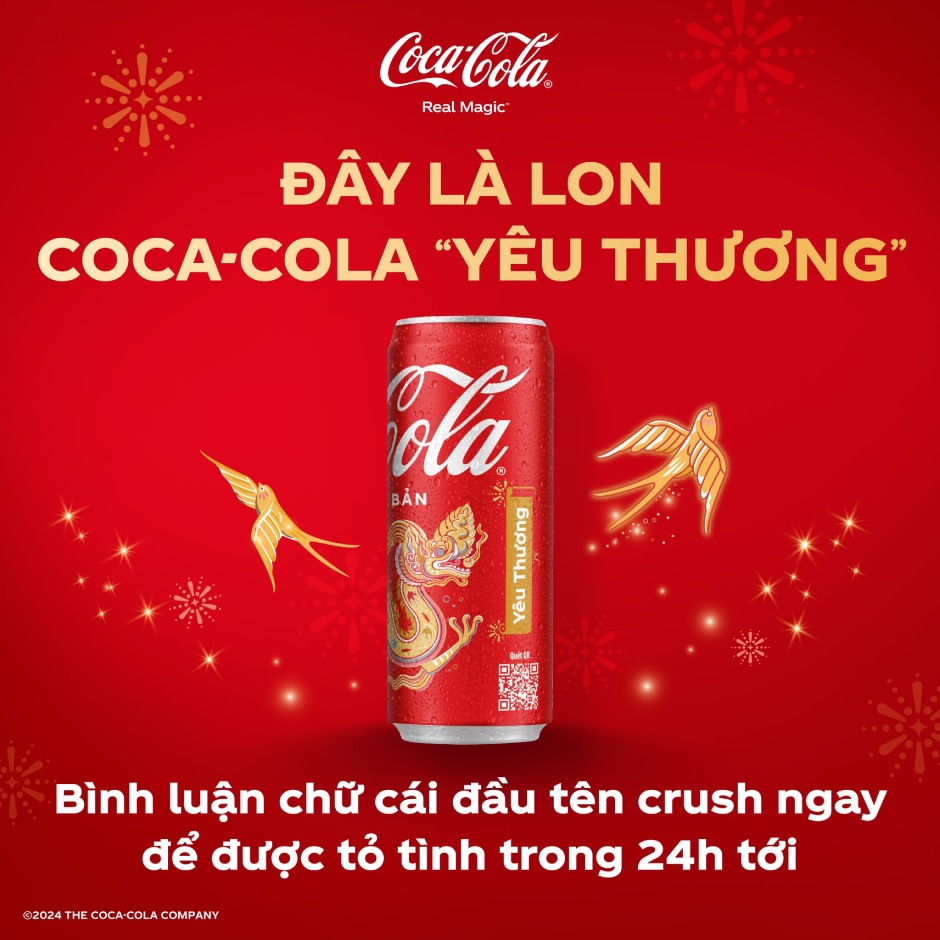
The key visual is not only striking but also closely aligned with the brand and effectively conveys the campaign's message.
Some of the key visual's outstanding features are demonstrated through the following elements:
- OutstandingIn banners or posters, the key visual is always the element placed in the center or is the largest, most prominent, and easiest to recognize at first glance.
- Clarify the target product.A key visual might simply be an enlarged image of the product, but it can clearly highlight the main subject or object that the brand or business wants to introduce to the viewer. This is the true purpose that the brand or business aims for.
- Consistent with the brand: The colors and design of a key visual are usually consistent with the brand's colors or logo. For example, the Coca-Cola brand is characterized by its two colors, red and black, so the main imagery in its banners and posters will always use these two colors.
- Simple but effective: Too much detail can overwhelm the viewer, so key visuals are usually designed to be minimalist, easy to understand, focusing on the main product while still providing the necessary information and value.
- Compatible across multiple platforms: A marketing or advertising campaign will typically use a single key visual. Therefore, these images need to be designed to be applicable across various platforms and formats. For example, a poster should be suitable for posting on platforms like Facebook and Instagram, for running ads, and also for printing as a poster for seminars or conferences.
- Highlight the message.Typically, any campaign aims to convey messages to customers to showcase the product's value and the brand's philosophy, so key visuals also serve to highlight this message.
How can a key visual resonate with the viewer?
When someone scrolls through social media for a minute and sees dozens of pieces of content and hundreds of images, how can your post capture someone's attention in just the first 3 seconds? Many people lack the patience to stop and read content, but when their visual senses encounter an impressive image, they will certainly stop. Therefore, effective communication and promotion require a truly impressive key visual.
So how do you create an impressive key visual that resonates with viewers' emotions?
Uniqueness
In any situation, uniqueness and novelty are always key factors that impress people, stimulate their desire to see and learn more. Therefore, to attract viewers, key visuals must be groundbreaking and unique in terms of imagery. For example, you can use contrasting colors, sizes, or unconventional design lines. This also depends on the nature of the product, but try to create a groundbreaking and unique visual impact to make a strong visual impression on customers from the very first 3 seconds.
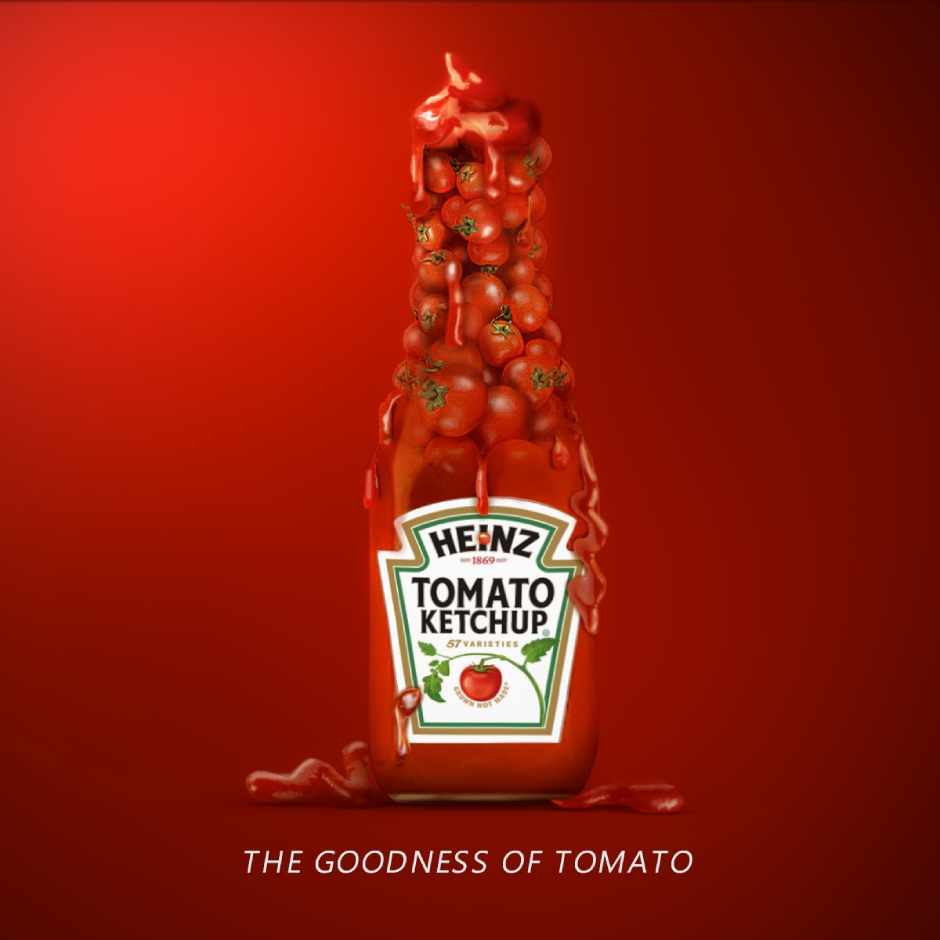
Uniqueness is key to attracting customers.
Limit the number of words.
Most people don't take the time to read all the content on banners or posters. Therefore, adding too much text to these images will be both unnecessary and visually cluttered. Try to focus only on the main visual element to convey the message; other information should be kept separate in the accompanying text or supplementary content.
Create a connection with the brand.
No matter how unique or unconventional a key visual may be, it must ensure consistency and uniformity in terms of brand identity. Because even the most impressive image is unsuccessful if viewers cannot connect it to the brand at first glance. The main purpose of a key visual remains to promote, generate interest, and increase brand recognition among customers.
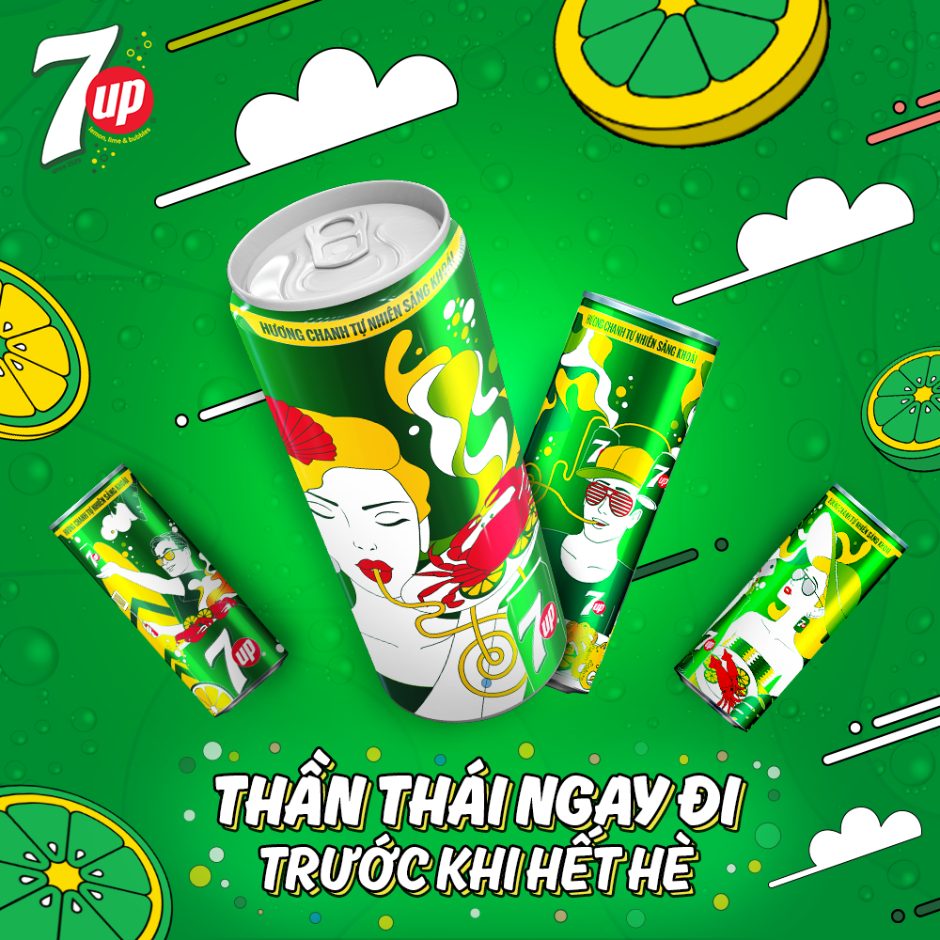
The key visual should incorporate images, details, or colors that are reminiscent of the brand.
The association can be expressed through aspects such as color (colors matching the brand's main color); symbols (associating with the brand image); or fonts. For example, when mentioning Pepsi, people immediately think of blue and red; while Coca-Cola is associated with red and black. Or when mentioning Vissan food products, the image of three golden apricot blossoms on a red background immediately comes to mind. Thus, the key visual of these brands must ensure these associative elements.
Feeling
For a key visual to truly resonate with viewers, emotion is equally crucial. Color, lighting, background, and image composition all contribute to evoking feelings of joy, sadness, or anger, directly impacting the viewer. Furthermore, brands can incorporate key visuals with content related to trending topics or content to easily attract attention and interaction from viewers.
Content
A key visual is an image, but it's also content. Through images, brands can convey information about their products or the message of each campaign to customers. Therefore, for a key visual to make an impression and attract customers, its content must also be clearly defined.
For this part, the design, content, and photography teams need to spend time discussing ideas, then arrange the filming layout and design the key visual to fully meet the above requirements.
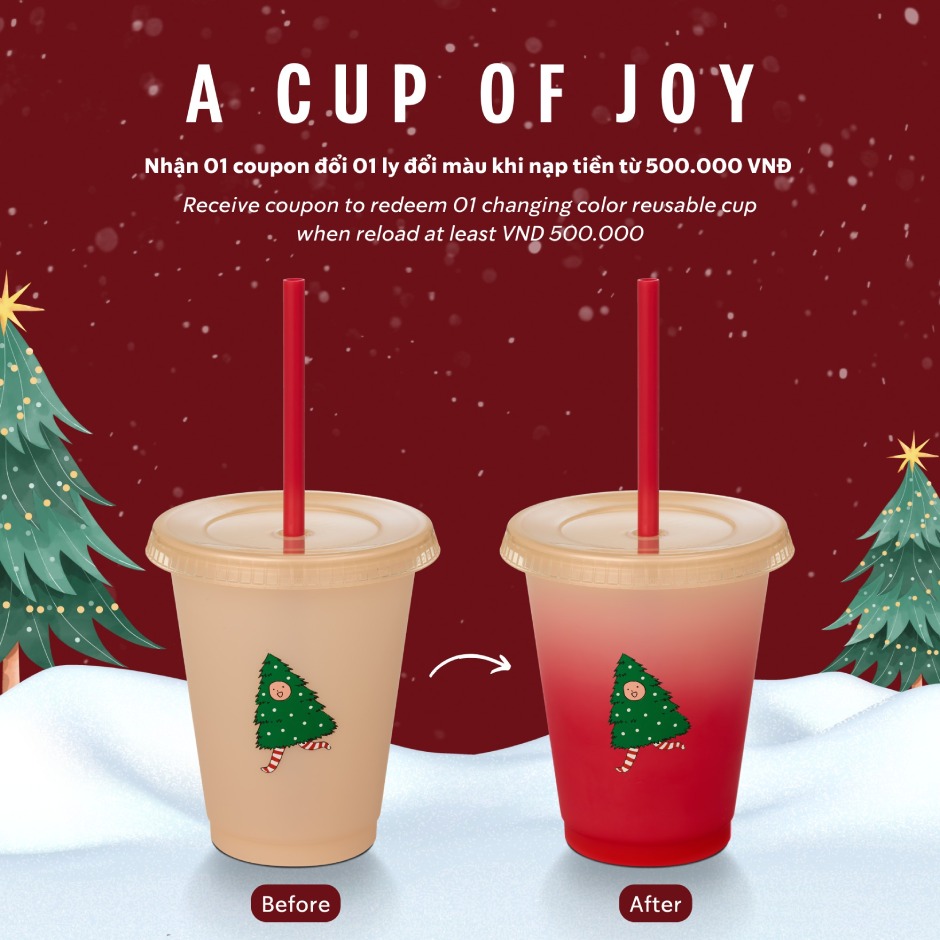
A key visual that effectively conveys the content and is appropriate for the time will easily impress viewers.
Time
Key visuals are more likely to attract customer attention if they address current needs and interests. For example, during Tet (Vietnamese Lunar New Year), customers will want to learn about gift sets; or during Christmas, people are more interested in images of Christmas trees, snow, or Santa Claus. Additionally, key visuals can be designed to be "trendy," capturing current trends to attract customer interaction.
Image quality
Poor image quality, no matter how groundbreaking the idea or how engaging the content, will not be highly regarded. Images are the key visual, so if they are blurry, pixelated, or have poor color, they will not attract viewers. Furthermore, the key visual needs to be used for other purposes such as printing banners and presentation images, so ensuring the best possible quality is crucial.
It's important to understand that image quality here isn't simply about resolution and standard size, but also about color accuracy, contrast, detail ratios, etc. Without sufficient experience and knowledge of these factors, it's very difficult to ensure the best image quality to meet the requirements of all platforms.
It's best to work with reputable, professional media and photography agencies for optimal support. Professional media companies will collaborate with content creators and designers to produce polished key visuals that meet the brand's specific requirements.
In general, creating an impressive key visual that resonates with viewers isn't too difficult, but it's not simple either. Team Marketing requires a clear and detailed plan to ensure the key visual design process is effective, attracts customers, and generates the best possible revenue for the marketing campaign.





 English
  Vietnamese