
Video editing is a crucial step in the production process. The video editor must possess a deep understanding of the core content of the video, have a strong sense of aesthetics and creativity, and ensure that the resulting video evokes emotions and effectively conveys the intended message to the viewer.
What is film editing?
As mentioned above, editing is an extremely important step in the filmmaking process. It is part of the post-production phase (the phase that takes place after filming is complete). At this stage, the editor will process, edit, and finalize almost the entire product before its release and screening to the audience.
Film editing is not just about cutting and pasting scenes together; it's also the art of storytelling. The goal is for the finished film or video to have emotion, rhythm, and a coherent storyline, allowing viewers to grasp the main message. Some of the tasks of a film editor include:
- Selecting and arranging shots: Review the raw footage, selecting and arranging it to create a logically structured film.
- Video editing and splicing: Performing tasks such as cutting and splicing video clips using specialized software, creating rhythms suitable for each film genre. Editing images, adjusting lighting and color, etc., improving issues like blurriness, shaking, or uneven video colors.
- Synchronize and edit audio: Synchronize the audio with the video, and process the audio to achieve the best quality, avoiding discrepancies in sound when editing video segments.
- Add effects and graphics: Use appropriate visual effects, combining them with graphics and text that correspond to each section.
- Received and revised based on feedback: Collaborate with the production team, especially the director, to adjust the video accordingly.
- Publishing and archiving: Export the complete video and save the exported data for later use.
Advances in film editing techniques
The field of film editing emerged in the late 19th and early 20th centuries. At this time, people began exploring new perspectives on storytelling, incorporating images to make narratives more realistic and vivid. Initially, film editing simply involved cutting and splicing together physical film clips. Later, it progressed further as new technologies emerged, leading to the industry's continued growth.
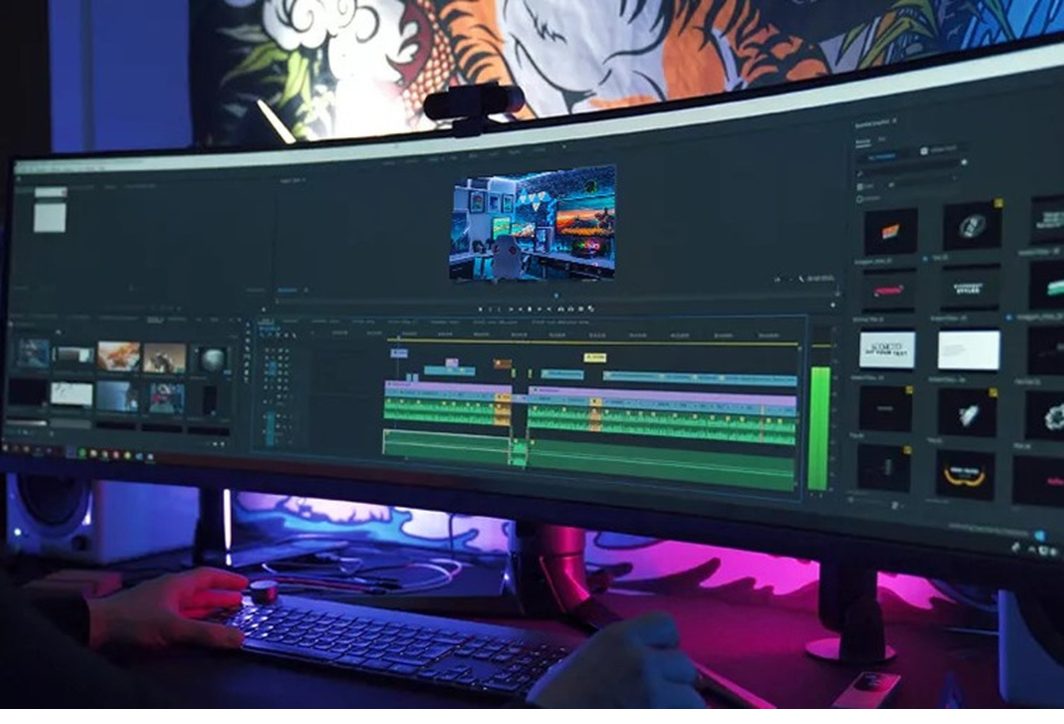
The emergence of film editing played a crucial role.
DW Griffith is considered to have laid the foundation for modern film editing. He was the renowned director of the film "The Birth of Nation," released in 1915. Techniques he employed at the time included close-ups to emphasize emotion, parallel editing to tell two stories simultaneously, and montage to create drama and heightened emotional impact.
Film editing technology has also developed over time. With new film editing techniques, sound began to appear in the 1920s, helping films attract audiences. However, this also posed a challenge for editors, as it required more complex techniques to synchronize images and sound for optimal compatibility.
Until 1980, the development of digital technology gradually helped film editing techniques advance to a new level. Editors were able to eliminate manual tasks, replacing them with other useful tools. For example, in 1989, software called Avid Media Composer was developed, allowing editors to make flexible edits without affecting the original.
The role of film editing in the new era
Today, film editing is no longer simply cutting and pasting, but a sophisticated process with many complex operations, aided by specialized filmmaking tools. However, film editors must also possess creativity and logical thinking to create films that evoke emotion and captivate viewers.
The person in charge of film editing is the one who "breathes life" into the product, telling the story through images and bringing each frame to life. Thanks to the development of film editing, we can now enjoy a series of blockbuster films.
In addition to its crucial role in the film industry, film editing also brings many benefits to the fields of media, marketing, education, entertainment, etc., specifically:
- Enhance the ability to convey the message and core values of the story, personalizing the experience for the audience.
- They generate significant commercial value in the media and advertising industry. For example, they play a crucial role in the success of many TV commercials, corporate films, and advertising videos. They create a series of viral videos on social media platforms thanks to their creative filmmaking skills.
- It supports online teaching and learning, increases student interaction rates, and provides engaging learning experiences.
- The entertainment industry is constantly developing, as evidenced by the emergence of various streaming content, video games, and more.
- Contributing to the support of content creators and those working in the media industry. By diversifying personal content, they increase their competitiveness in the rich content market.
- AI applications have boosted industrial and creative development, simplifying filmmaking and developing new special effects to make films more engaging and captivating for audiences.
In the modern era, video editing is not just a tool for video production, but also brings value to many other fields. In today's context of constantly evolving technology and creativity, video editing continues to play a crucial role in shaping how people communicate, learn, and entertain themselves.
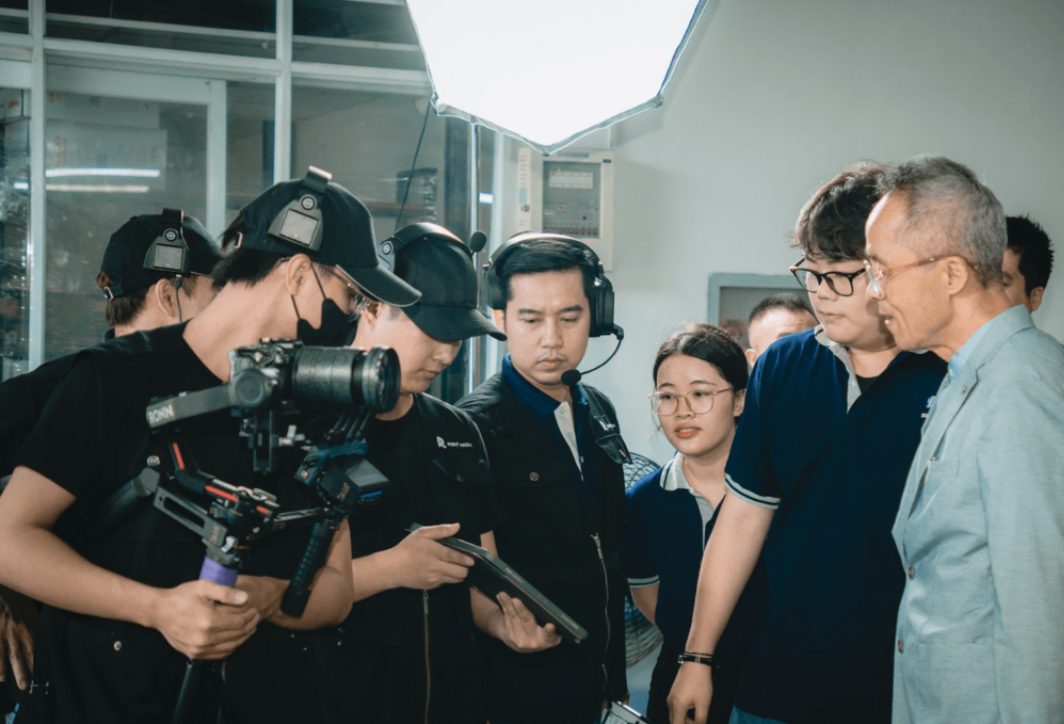
Right Media has a team of highly experienced post-production specialists.
Discover the video editing process for beginners.
Beginners in video editing need to learn from the most basic steps to practice. Below, we will provide you with the easiest-to-understand basic steps to help you explore this exciting profession:
Step 1: Preparation before editing:
- Understand the film's concept and script: Film editors also need to review the script multiple times and discuss it with the screenwriter and idea creator to understand the flow of the film or video.
- Research and gather the necessary information: Prepare the raw footage, selecting appropriate images, sounds, and background music. Add sound effects to the corresponding scenes, along with other necessary materials.
- Install video editing software: Depending on your skill level, choose the appropriate software. Common tools for beginners include iMovie, Capcut, and Filmora. More professional options include Adobe Premiere Pro, DaVinci Resolve, and Final Cut Pro.
Step 2: Enter and sort the data:
- Entering the filming location: Open the software, import the raw footage into the library, and arrange the files in a logical order for easy opening and editing of videos.
- Create a timeline: Begin editing the video by putting all the necessary footage into a separate project, then drag it down the timeline.
Step 3: Rough Cut
- Select and cut footage: Select shots, review footage, use the most appropriate and valuable shots. Perform editing, removing unnecessary parts.
- Arrange: Arrange the corresponding shots into a sequence, creating a logical storyline that aligns with the intended message, and creatively engaging the viewer. Use simple transitions to seamlessly connect the video segments into a smooth film.
Step 4: Final Cut
- Image editing: Brightness is adjusted, and video contrast and color are also calibrated to ensure consistent and harmonious image and color in the footage. Some image errors, such as shaking and uneven lighting, will be corrected or eliminated.
- Synchronize and edit audio: Synchronize the audio with the video, adjust the volume appropriately, and remove any background noise. To make the film more engaging, add background music or suitable sound effects.
- Add text and graphics: Add titles and captions to the film, and add graphic effects if necessary. Prioritize using fonts and colors that match the overall color scheme of the film.
Step 5: Add effects and finalize:
- Insert effects: Complex transition effects, slow motion effects, simple special effects, etc.
- Check and export: A thorough review will be conducted, minor errors and imperfections corrected, and any unfinished parts rectified before video export. Video quality, resolution, and aspect ratio will be ensured to be suitable for the broadcasting platform.
Step 6: Practice and refine your skills:
Beginners in video editing require perseverance, a thirst for knowledge, and a willingness to learn. It's best to start with simple projects and personal creations to gradually improve your skills. You can also consider taking video editing courses to gain additional useful knowledge.
Hopefully, through this article, readers have grasped the main information about video editing and the basic steps for beginners. This is an important task in the video and film production process. Those involved need to acquire knowledge and practice regularly to create engaging works.





 English
  Vietnamese