
What is DOOH? It's one of the outdoor advertising tools used by many businesses. You can easily see DOOH advertisements in public places and densely populated areas. In this article, Right Media will introduce you to this type of advertising.
What is DOOH?
DOOH stands for Digital Out-of-Home, which translates to "Outdoor Digital Advertising" in Vietnamese. To understand this better, let's break down the phrase:
- Out-of-Home (OOH): This term refers to all forms of advertising that consumers see when they are outside their homes. This could include billboards on highways, posters at bus stops, advertisements on taxis, etc. This is a traditional form of advertising that has existed for a long time.
- Digital: This is the core differentiating factor, the revolution in the outdoor advertising industry. Instead of static images printed on banners or paper, DOOH uses digital display technologies such as LED screens, LCDs, projectors, etc., to convey messages in a vivid, flexible, and impressive way.
Simply put, DOOH is the upgraded 4.0 version of traditional outdoor advertising. It transforms quiet public spaces into colorful stages showcasing brand messages. Common forms of DOOH that you can see every day include:
- Giant LED screens are set up at intersections and on large buildings.
- LCD screens in elevators, apartment building lobbies, and offices.
- Interactive information kiosks in shopping malls.
- Advertising screens at airports, train stations, and bus terminals.
- Digital signage at retail stores.
- Advertising display systems in supermarkets and convenience stores.
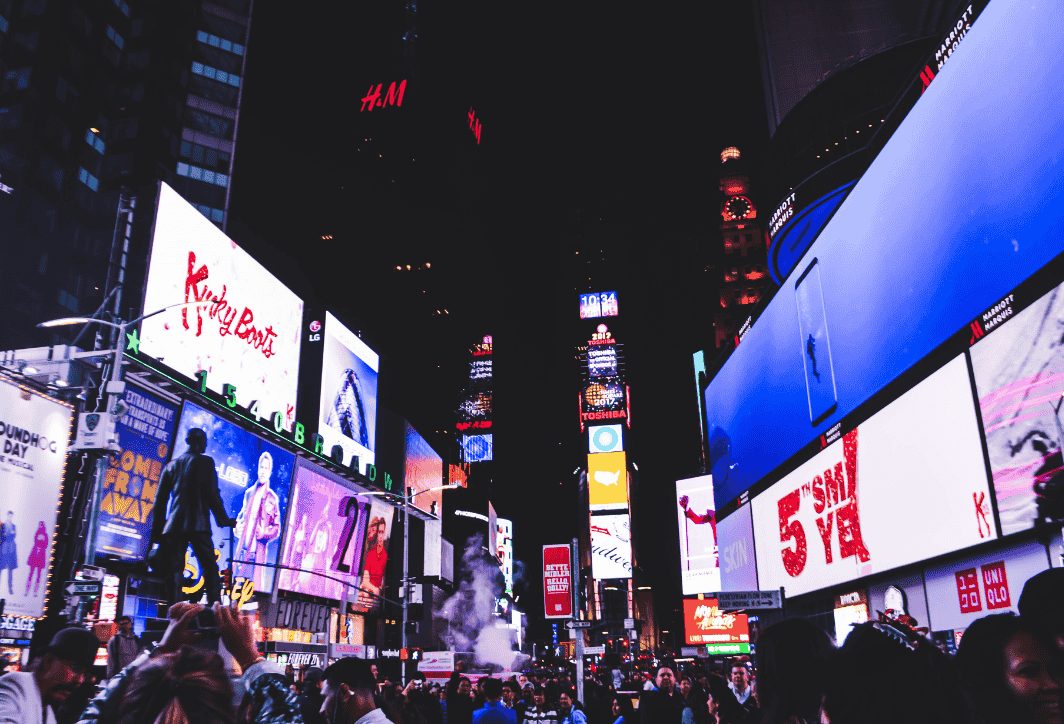
Comparison of traditional DOOH and OOH
To see the power of DOOH, let's compare it to traditional outdoor advertising.
This difference shows that DOOH is not just a replacement, but a giant leap forward, opening up almost limitless possibilities for advertisers.
Advantages of DOOH in Brand Building
How does DOOH help build and strengthen brand image? Here are 7 of the most important benefits:
Attract attention and create a strong visual impact.
The human brain is programmed to pay attention to things that move and have vibrant colors. A dynamic advertising video on a large LED screen will certainly attract the attention of passersby far more than a static billboard. The ability to display high-quality, sharp content ensures that the brand's message is not only seen but also remembered.
Flexible and up-to-date content in real time.
With traditional OOH advertising, once you print and put up a billboard, you're stuck with it for the entire duration of the campaign. But with DOOH, it's completely different. You can change your ads in minutes, run different promotions at different times of the day, change ad content based on the weather, or update information about an ongoing event. This flexibility ensures your brand's message remains relevant, pertinent, and feels fresh and dynamic.
Enhance brand recognition and positioning.
Appearing on modern, cutting-edge digital screens is in itself an affirmation of a brand's status. It shows that your business is keeping up with technological trends, constantly innovating and creating. As a result, the brand image becomes more upscale, dynamic, and relatable to younger, tech-savvy customers.
Contextual targeting increases reach effectiveness.
While not as highly targeted as online advertising, DOOH still allows for intelligent contextual targeting. By strategically placing display screens, you can reach the right target audience:
- Location: Advertising for high-end cosmetics in shopping malls, advertising for fast food near schools and offices.
- Time: An advertisement for a lunch delivery service is shown at 11 am, while an advertisement for a movie streaming app is shown in the evening.
- Demographics (estimated): Areas with young populations, areas with high-income earners, etc.
Opening up opportunities for two-way interaction with customers.
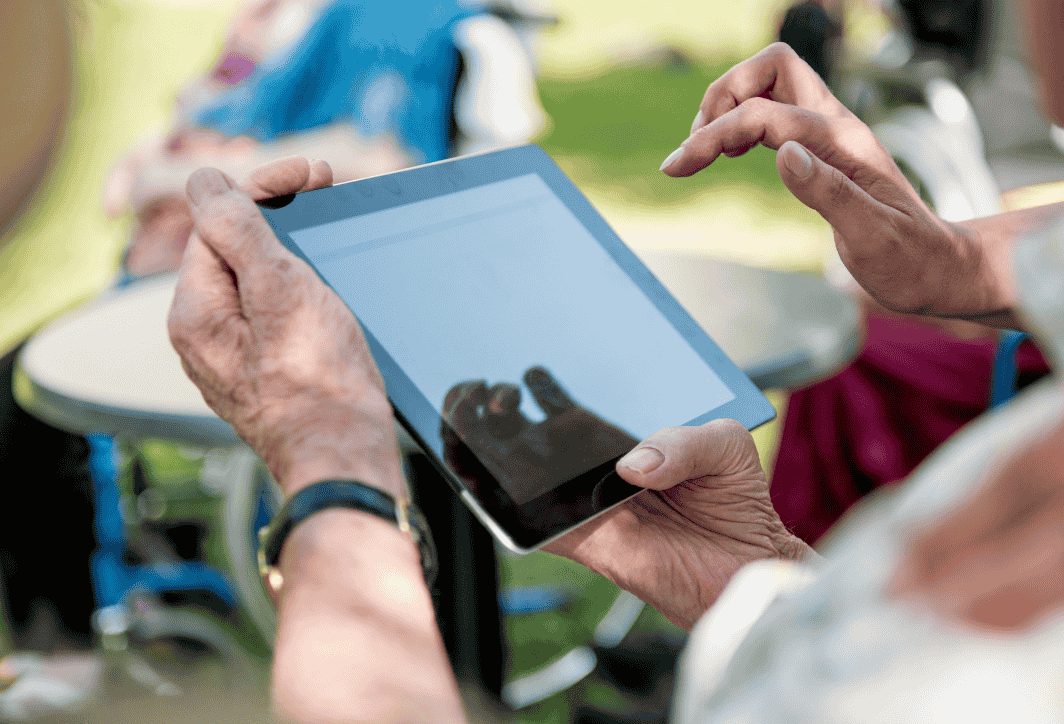
Modern DOOH advertising is no longer one-way advertising. It can become an engaging interactive touchpoint between brands and customers. For example, you can integrate an OR code into the ad to allow viewers to easily scan and access information, or use touch screens to let viewers play games or learn information directly.
Additionally, some DOOH advertisements integrate social media, displaying posts using hashtags to help the campaign spread widely. When customers are engaged and interact, the connection between them and the brand becomes deeper and stronger.
Measuring and analyzing campaign effectiveness
One of the major drawbacks of traditional OOH is the difficulty in measuring results. However, with technological advancements, DOOH is gradually overcoming this. Advanced DOOH systems can utilize AI-powered cameras, sensors, or Wi-Fi data to estimate views, analyze demographics, or measure average viewing time, etc. While this data may not be 100% accurate, it is a valuable source of information for marketers to optimize their campaigns.
It integrates perfectly with other marketing channels.
DOOH doesn't work alone; in fact, it's a crucial link in an overall omnichannel marketing strategy. You can use DOOH to increase campaign reach on social media, drive website traffic, generate app downloads via QR code, or create engaging online experiences for viewers.
The future of DOOH advertising
The DOOH industry continues to grow with promising new trends:
- Programmatic DOOH (pDOOH): Automating the buying and selling of DOOH advertising space in real time, similar to Google Ads or Facebook Ads, helps optimize costs and achieve more precise targeting.
- Artificial intelligence (AI): AI helps analyze viewer data to display the most relevant ads, creating dynamic ad content that can change based on who is looking at the screen.
- 3D/Augmented Reality (AR) Technology: Create surreal, immersive 3D advertising experiences or allow viewers to interact with the product via AR right at the advertising location.
In short, DOOH is more than just digital screens; it's a powerful, flexible, and highly potential communication channel. From capturing attention with vivid visuals to the ability to change messages in an instant and interact directly with customers, DOOH offers significant advantages in building a strong, modern, and distinctive brand in the minds of consumers.





 English
  Vietnamese