
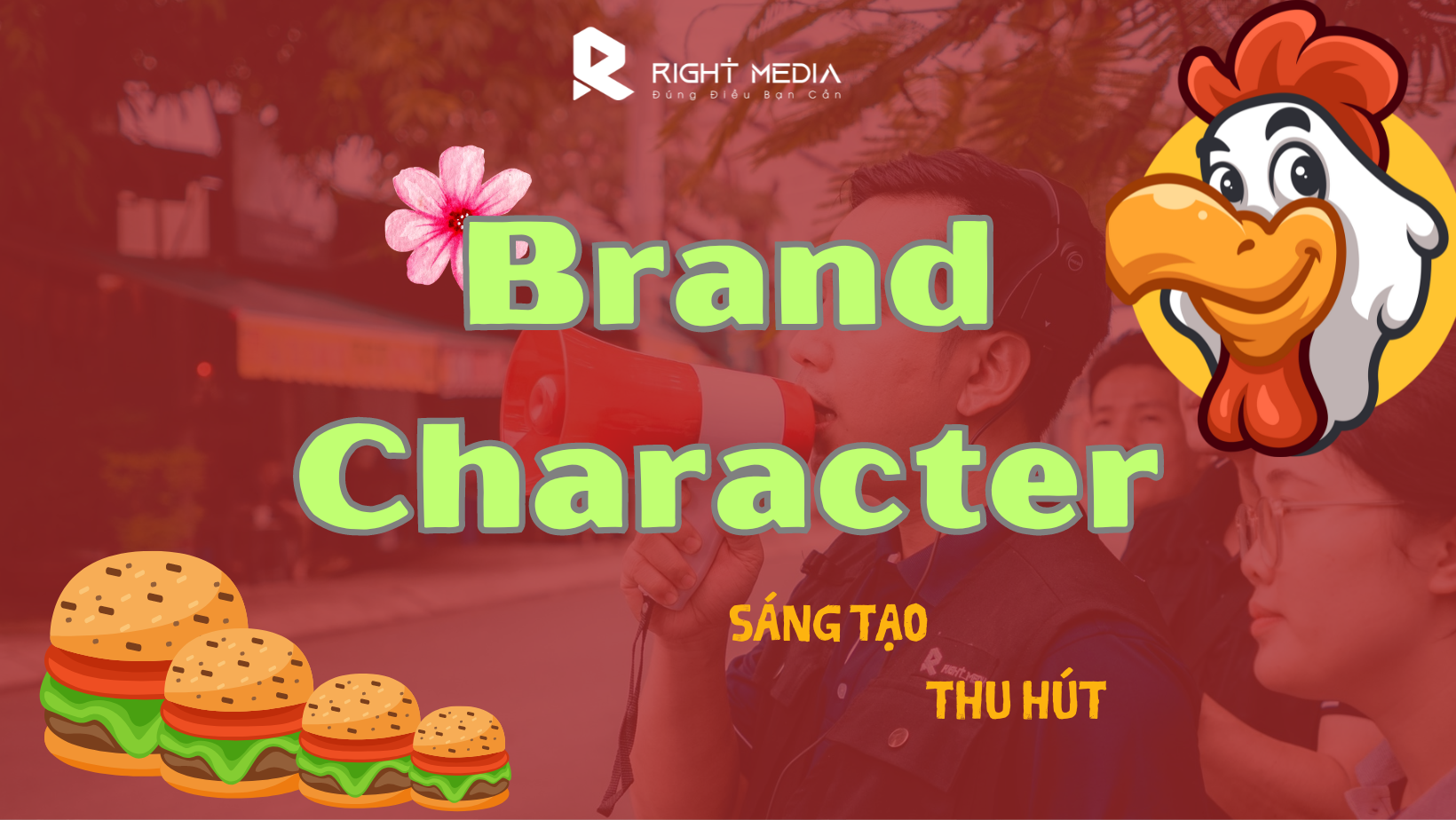
A brand character is a representative symbol that helps convey the values, messages, or personality of a brand to customers. This character can be a person, an animal, a plant, an object, etc. Creating an appealing character that aligns with the marketing strategy requires the creator to have a deep understanding of the brand and appropriate creativity.
What is Brand Character?
Brand Character is a term used in the media and advertising industry to refer to a "brand personality." It's a symbol representing a brand, embodying its character, message, and values, helping the brand stand out from existing and future competitors. In other words, a Brand Character represents a brand.
The characters are carefully selected to align with the brand's distinctive characteristics. They could be people, animals, fictional creatures, or anthropomorphic objects. All are designed in a unique, creative way with distinct personalities, easily recognizable yet captivating, creating an emotional connection with the viewer.
The presence of a Brand Character makes a brand more vibrant, friendly, and memorable. Many famous brands have successfully built this iconic character, for example, Vinamilk of Vietnam, associated with the image of a dancing dairy cow, and Colonel Sanders representing KFC, etc.

The role of Brand Character in a business
Brand personality offers numerous benefits to businesses in developing their brand in both domestic and international markets. In particular, it plays a crucial role in building and developing brand reputation, creating positive emotional connections with customers, and enhancing marketing effectiveness. Specifically, these benefits include:
Increase brand awareness
The increasing number of brands in the market highlights the fierce competition for brands wanting to attract customers. Consumers are overwhelmed with product information and advertising messages on mass media and social networks. The emergence of a brand personality helps brands increase recognition and differentiate themselves from other brands in the market.
The brand's representative character is built upon the brand's personality and characteristics, making it easily memorable for viewers. In addition, the media products are meticulously crafted, featuring innovative and creative ideas with unique and distinctive designs. This helps the brand's reputation spread further and resonate deeply with customers.
Conveying the brand's personality and values.
The development of technology has led to increasingly diverse advertising ideas, especially in the creation of brand characters. Instead of simply describing a product through words, brand characters have emerged, bringing the product to life.
Brand character creates an emotional connection.
Brand characters are often designed to evoke positive emotions in viewers. Their happiness and joy contribute to increased purchasing decisions, product experiences, and repeat brand choices. Once the character becomes relatable and familiar to consumers, they will have even greater trust in the brand.
Become a storytelling tool.
Brand characters help brands build emotional narratives around their products. These characters contribute to conveying the message naturally, providing an engaging experience for viewers. When characters appear in long-term advertising campaigns, telling interconnected stories, they create a positive impact on the audience, effectively developing the brand image.
Building brand loyalty
As mentioned above, a Brand Character helps connect emotionally with customers, thereby building trust and encouraging them to return to purchase the brand's products. This is one of the roles that a brand character fulfills.
Flexibility in marketing
Brand characters are developed and implemented throughout a company's communication campaign. They are not only seen on television, but today they are also present across social media, websites, product packaging, and brand events. The character may be given a new look when the advertising campaign changes, for example, during Christmas or other holidays.

Brand character helps a product stand out.
Brand characters help increase brand recognition and highlight the product. The more prominent and engaging the character, the more effectively the brand can convey its message. This clarifies product information, highlighting its outstanding features and making it more vivid in the eyes of viewers – potential future customers.
Increase brand visibility.
Brand characters are often built around humorous and distinctive imagery, making their content easily trend and widely shared. This helps brands increase their reach and spread their message throughout the community.
Increase adaptability and development
Adjusting and changing the brand character according to trends will help the brand become more popular. Thanks to its flexibility, the brand character can easily change some images and characteristics when needed. The brand character can be refined to suit the tastes of the target audience, helping the brand continue to grow and expand its market.
Overall, brand character contributes to connecting the brand with consumers, especially by creating trust, loyalty, and leaving a strong impression. It can be said that the brand character is a tool that helps marketing campaigns be effective, bringing vitality and creating differentiation to help the brand compete with rivals in the market.
Steps to building a brand character.
To develop an effective brand character, you must first thoroughly understand your brand. Then, proceed step-by-step to create a character that is creative and aligns with your brand identity. The basic steps include:
Clearly define your target customers.
Defining the core values of your brand is the first thing you need to do. Before creating your desired character, consider factors including the brand's values, mission, vision, and personality. Next, it's essential to identify your target audience to create a character image that resonates with them and evokes positive emotions.
Identify the Brand Character
The character's personality is closely linked to the brand's personality. For example, friendliness, cheerfulness, professionalism, elegance, strength, humor, or intelligence. This alignment helps the character become more vibrant, authentic, and appealing to viewers.
Character appearance design
Design the character's image to be easily recognizable and appealing. The Brand Character can be a person, animal, fictional creature, or anthropomorphic object, but it must be consistent with the brand's message. Simultaneously, choose colors for the character that harmonize with the brand's colors to further enhance recognition.

Create a story for your Brand Character.
Creating a compelling and memorable background and story for the character is crucial. For example, the story could recount the character's journey of development, interests, or aspects related to the product. In particular, establishing a brand character with a distinct personality will help the brand differentiate itself from other brands in the market, contributing to a more effective advertising campaign.
Diverse brand communication channels
To boost communication, advertising should be ubiquitous. This could involve the brand's persona appearing on television, social media, websites, product packaging, and in promotional materials at events or activities, etc.
Review and optimize Brand Character
After releasing the Brand Character, continuously update it based on customer reviews and feedback to make adjustments or changes as needed. Additionally, the campaign can be refreshed during development to align with market trends.
Building a successful brand character requires creativity, but more importantly, a thorough understanding of the brand's nature and its customers to create a character that is compelling and aligns with the overall marketing strategy.
In summary, a Brand Character is a representative figure for a brand, designed to convey the brand's personality, values, and message in a vivid and easily recognizable way. With its unique image, distinct personality, and strong emotional connection, a Brand Character helps a brand stand out in a competitive market, enhances recognition, builds loyalty, and fosters engagement with customers.





 English
  Vietnamese