
Animation is the technique of creating movement from static images. Currently, animation is widely used in the production of animated films, feature films, video games, and other forms of media and advertising.
What is animation?
Animation is widely known in the field of animated film production. It is a technique for creating movement, transforming static images into dynamic ones, giving the impression that the main subject is actually present and moving. To achieve this, filmmakers must draw thousands of still images by hand or on a computer, then continuously project these images to create the illusion for the viewer.
Simple images begin to change in position, size, and shape, making viewers believe they are actually moving. Animation is now widely used in life, for example in animated films, commercials, video games, and many other fields.
Popular animation formats today
There are many types of animation, each with its own distinctive features, such as:
Traditional animation
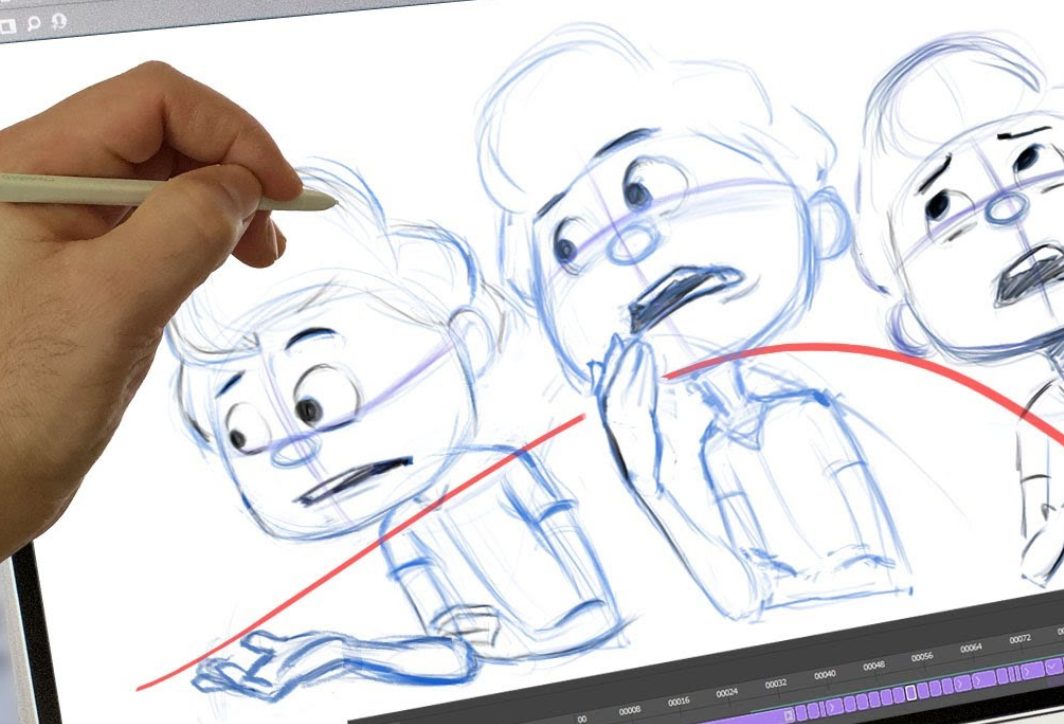
Traditional animation is a method of creating movement using images by hand-drawing each frame on paper or transparent film. Each small movement is represented in a separate frame, so that when projected, they link together to create the illusion of movement.
The traditional method is widely used, especially in classic Disney films. To create a complete film, the artist has to work very hard and expend a great deal of effort to produce a finished product.
Advantage:
- Traditional animation styles are intimate and realistic because they are hand-drawn. In addition, the images are incredibly unique thanks to the artist's creativity. This makes traditional animation appealing and relatable to viewers.
- Traditional animation focuses on character development, plot construction, and messaging rather than on special effects.
Limit:
- Hand-drawn illustrations require a great deal of time and effort from the artist. Many films take years to complete because they have to draw, color, and photograph thousands or millions of pictures.
- Traditional animation production costs are high due to labor costs and long production times.
- The difficulty lies in correcting and adjusting when problems arise. This is because the artist has to redraw each frame if they discover an error or a position that needs changing.
Traditional animation offers high artistic value, but it is now gradually being replaced by modern techniques due to time and cost limitations.
2D Animation
This type of animation is also widely used in many fields, not just in film production. Unlike traditional animation, this type allows for a combination of old and modern production methods. Specifically, in addition to hand-drawn images, 2D animation is also created on computers using modern software or applications, resulting in faster completion times.
Advantage:
- Compared to 3D animation, 2D animation production is less expensive because it doesn't require as much complex technology.
- The diverse visual style, combining classic and modern elements, makes the images vibrant, unique, and capable of conveying a wide range of creative ideas.
- Production time is faster compared to traditional animation due to the support of modern tools. Additionally, editing or replacing parts is easier than with traditional manual production methods.
Limit:
- 2D animation lacks depth, only width and height, which is why films are often limited in terms of realism.
- The production process is time-consuming, although considerable time has been saved by applying modern technology to the design process.
- The inability to execute complex effects resulted in the character's movements appearing unnatural.
2D animation is suitable for projects requiring flexibility, creativity, and low cost, but it has limitations in creating realistic and complex images like modern techniques.
3D Animation
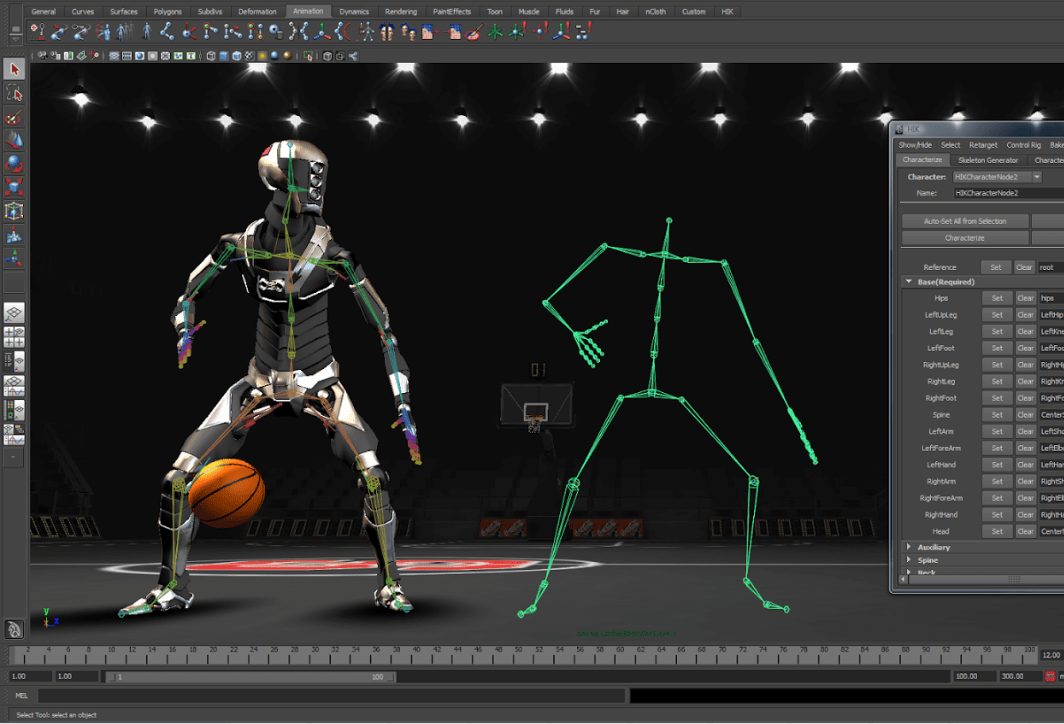
3D animation is a technique for creating animated images in three-dimensional space, making videos more lively and realistic. Characters are built and modeled, then controlled through specialized software. 3D animation allows filmmakers to create smooth movements, combine lighting effects, shadows, and more.
Advantage:
- The images and movements are realistic, with depth, lighting, and character shadows that look like real life.
- 3D models can move, rotate, and resize as needed, eliminating the need to redraw each frame individually like in traditional methods. This saves manufacturers a significant amount of time and effort.
- Many special effects help make the characters more realistic. For example, the integration of physics effects, interactions between characters, etc.
- It has high applicability and is used in animation production, video games, healthcare, architecture, and education.
Limit:
- High production costs are due to investments in software, hardware, and a highly experienced production team.
- Production time is long, especially for complex projects that require a high degree of attention to detail.
- Filmmaking requires high skill levels; filmmakers must have extensive knowledge of 3D software to create a quality product.
- Some 3D models still feel unrealistic and unnatural.
3D animation offers powerful creative possibilities and effects, but it also presents many challenges in terms of cost, time, and skill.
Stop Motion
Stop motion is also an animation technique that involves moving static objects little by little or using a camera to continuously photograph characters to create movement. Instead of using hand-drawn images, stop motion combines multiple photographs of the subject taken from different positions.
Stop motion animation is a technique used to create animated films using toys or clay, and it also contributes to product advertising. The models are built around the main character, are handcrafted, and possess a unique beauty.
Advantage:
- Stop Motion's visual style is incredibly unique.
- The artist can create freely, crafting characters from clay, toys, models, or other recycled materials.
- Stop motion animation can combine real-life images with modeled characters, aiming to increase the realism of the film.
- Requiring no complex software, this type of animation can be produced on simple equipment, such as a camera and editing software.
Limit:
- The production time is lengthy because each frame must be captured individually; one minute of film can be made up of hundreds or even thousands of images stitched together.
- Editing becomes difficult because when an error is encountered, the filmmaker is forced to stop production and reshoot scenes, re-moving and re-shooting the character. Not to mention that some projects are complex and require a lot of time for editing.
- It requires filmmakers to have high levels of craftsmanship, patience, and meticulous attention to detail to create characters that are accurate down to the smallest detail.
- It's difficult to create smooth animation effects because the characters are handcrafted from raw materials.
Stop motion offers a unique and creative visual experience, but it also presents numerous challenges in terms of time, skill, and precision.
Motion problems
In addition to the types mentioned above, Motion Graphics is also a widely used graphic technique. Unlike traditional animation, Motion Graphics focuses more on graphics, text, and images rather than characters and storylines. Therefore, Motion Graphics is often used in the production of advertising videos, product introduction videos, or informational videos.
Advantage:
- Transforming complex information into easily understandable images increases learning efficiency. This is one of the advantages of Motion Graphics.
- Highly flexible, it can be used with various video ads and diverse content to convey messages.
- High aesthetic appeal thanks to eye-catching and vibrant imagery.
- Easy to make additional adjustments.
Limit:
- Despite its beautiful and engaging graphics, this type of animation typically lacks the emotional depth of other animation forms.
- Manufacturers must have excellent design skills.
- Motion graphics, compared to 3D animation, lack interactivity and limit audience participation.
- Overuse of special effects in animation makes it unpleasant and difficult to understand the message.
Motion graphics are a powerful tool for conveying information in an engaging and effective way, but careful consideration is needed regarding their use to achieve the best results.
Animation Production Process
Producing animation requires a process with many different steps. Specifically, these are:
- Idea generation and scriptwriting: Develop the idea and write a detailed story including the main character, supporting characters, setting, and the message you want to convey.
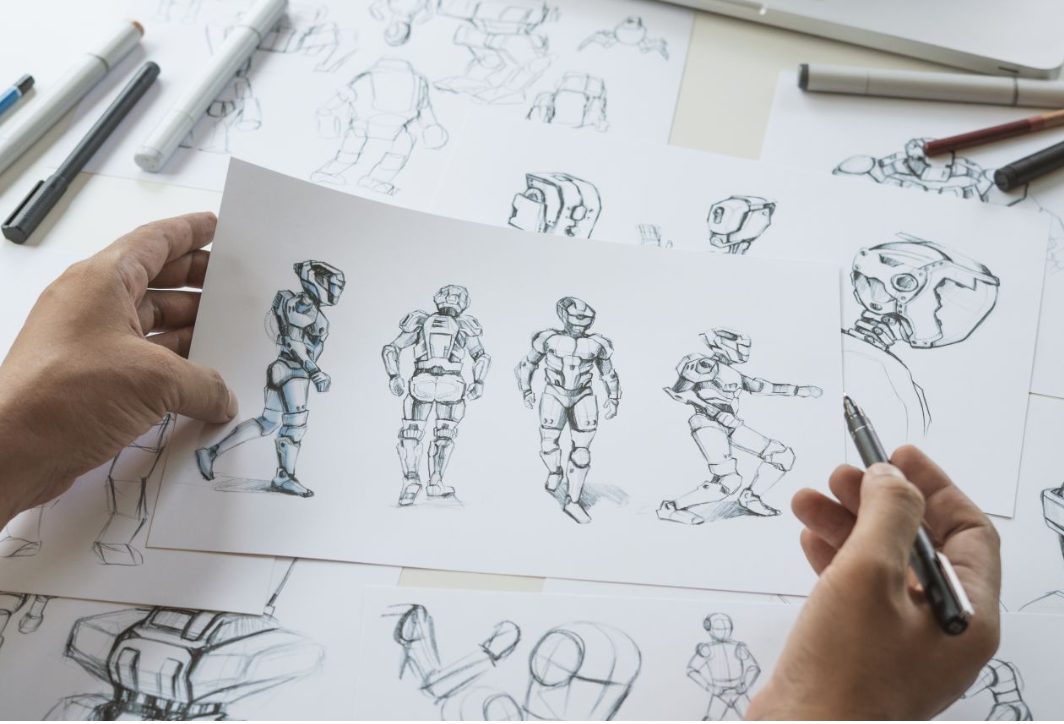
- Character design and storyboard: Create the appearance and personality of the main and supporting characters. Next, sketch the main narrative framework, depicting each scene and action according to the storyline.
- Sound and overlay: The recording process should incorporate character voiceovers, effects, and background music appropriately, because the sound design is key to unlocking an engaging experience for viewers.
- Draw the main frame: Create a keyframe and identify which movements are important within the constructed scene. This keyframe will be where the main characters display their poses and actions.
- Draw a transit diagram: Creating transition frames between keyframes enhances the smoothness of motion. This can be done using software or through traditional manual production methods.
- Color it if it's a 2D animation: For 2D animation, color each frame and add details if necessary.
- Motion and Animation: The frames are stitched together to create smooth motion. In the case of 3D animation, the models are controlled to move and create the effect.
- Editing and post-production: The final step in completing the product. The filmmaker can adjust the details of the image, color, and sound to suit their needs.
- Publish: Release the product on platforms such as television, social media, movie theaters, or professional video streaming websites and applications.
The process described above may vary depending on the type of animation (2D, 3D, stop motion) and the specific requirements of the project, but these steps provide an overview of how an animated product is produced.
Applications of Animation
Animation is applied in many different fields such as entertainment, media, advertising, film, etc. For example:
- Entertainment industry: Producing animated films and video games.
- Advertising field: Use animation for advertising videos and infographics.
- Education sector: Educational videos, videos simulating medical, scientific, and engineering concepts.
- Media field: Animation is used to create news reports with complex content that require visual illustrations, for use in television programs and entertainment shows.
- Architecture field: Use 3D animation techniques to simulate architecture for various projects, product designs, or assembly process presentations.
- Healthcare sector: Use animation to explain complex issues in medical procedures or surgical simulations.
In summary, animation is a powerful tool that transforms ideas into vivid images, from cartoons to advertisements and educational materials. Today, this technique has become a useful tool for conveying messages vividly and effectively.




 English
  Vietnamese