In filmmaking, if the script is the soul and the actors are the body, then shot size is the language that conveys the message. Have you ever wondered why the same line of dialogue evokes different emotions when shot in close-up compared to a wide shot? That's the power of shot size selection. Understanding and flexibly applying different shot sizes not only makes your video more professional but also serves as a powerful tool to manipulate the audience's emotions.
What is shot size in filmmaking?
Shot size (or framing) is a term used to describe the width of a frame, determined by the distance between the camera and the subject, or the focal length of the lens. Shot size dictates how much of the subject and surrounding background the audience will see.
Changing shot sizes helps shift the viewer's focus. In professional filmmaking, no shot size is random; each frame carries a unique storytelling purpose.
Why is mastering shot size important?
- Lead the attention: The narrower the shot (close-up), the more the audience focuses on detail and emotion. The wider the shot (wide-angle), the better the audience grasps the space and context.
- Create rhythm for the film: The smooth transition between different shot sizes creates rhythm (pacing), preventing the video from becoming monotonous.
- Conveying a metaphorical message: The scale of a scene can reveal the character's status, the distance between individuals, or the insignificance of humanity in the face of nature.
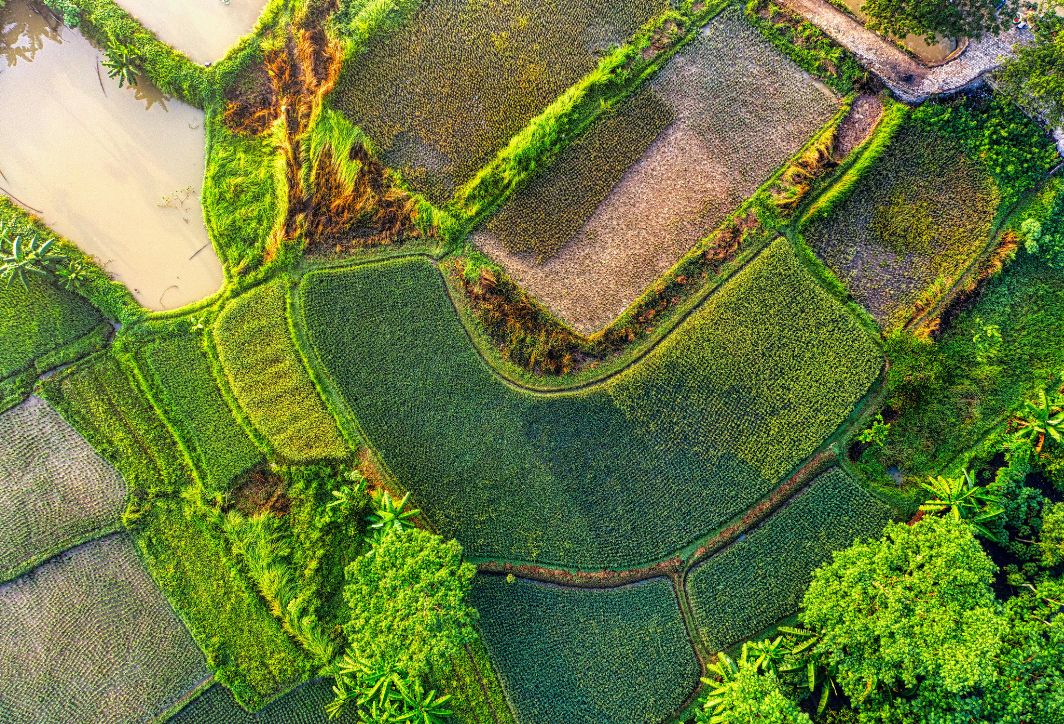
The most basic and common scene size system.
Below is a list of shot sizes, from wide to narrow, that any filmmaker should know by heart:
Extreme Long Shot (ELS)
This is the widest shot size, where the subject (human) appears very small or even invisible.
- Purpose: Introduce the setting to let the audience know where the events are taking place (city, desert, forest, mountains).
- Feeling: It evokes a sense of awe at nature or a feeling of personal isolation in the vast world.
Long Shot/Wide Shot (LS/WS)
The frame encompasses the entire body of the character from head to toe and a significant portion of the surrounding background.
- Purpose: It helps the audience understand the characters' positions within the space and the relationships between them.
- Application: Often used in action scenes, movement sequences, or at the beginning of a new segment.
Medium Long Shot (MLS)
This shot size typically covers the character from the top of their head to about their knees (also known as a 3/4 shot).
- Purpose: The focus is on the characters' actions rather than the setting, but still maintains a connection with the surrounding environment.
Wide medium shot (Cowboy Shot)
An interesting Shot Size originates from American Westerns, with the frame shooting from the head to mid-thigh (just enough to see the gun tucked into the belt).
- Purpose: It creates a sense of confidence, strength, and readiness for action in the character.
Medium Shot (MS)
This is the most common shot size in conversations, capturing the scene from the head to the hips/waist.
- Purpose: Focus on body language and dialogue. This is the most natural perspective, similar to how we observe someone during a face-to-face conversation.
Medium Close-Up (MCU)
The frame captures the character from head to chest level.
- Purpose: Reduce the focus on the background to concentrate on the facial expression, but without making it too overwhelming. This is the "golden" shot size for interview filming or TV commercials.
Close-up (CU)
The frame focuses entirely on the subject's face (usually from the shoulders to the top of the head).
- Purpose: Explore the inner thoughts, moods, and subtle changes in the character's facial expressions.
- Feeling: Creates profound empathy or extreme tension.
Extreme Close-Up (ECU)
The frame focuses on a small detail such as: a pair of crying eyes, a finger pressing a button, or a falling teardrop.
- Purpose: Emphasizing the particular importance of a detail creates maximum dramatic tension in the story.
Special shot sizes are based on camera angle and the number of subjects.
In addition to being categorized by width, scene sizes are also named according to how they are arranged within the frame:
- Single Shot: There is only one person in the frame.
- Two-shot scene: Two characters appearing simultaneously are often used to depict a relationship or a confrontation.
- Over the Shoulder (OTS): The camera is positioned behind one character's shoulder to film another. This is a classic technique in dialogue scenes to create depth in the scene.
- Point of View (POV): The camera acts as the character's eyes, showing the audience exactly what the character is looking at.
The principle of combining different shot sizes to create visual flow.
In filmmaking, you shouldn't use only a single shot size. However, transitions should follow certain rules to avoid causing discomfort to the viewer:
- The 30-degree rule: When switching between different shot sizes of the same subject, the camera should move at least 30 degrees. If you keep the angle the same but only change the shot size (for example, from medium shot to narrow close-up), the image is likely to appear jerky (jump cut).
- The 180-degree rule: Ensure the camera is always positioned on one side of the action axis between the two characters. Violating this rule will disorient the audience regarding the characters' positions.
Classic shot size sequence: A typical sequence would be: Wide shot (Introducing the setting) -> Medium shot (Introducing the action/dialogue) -> Close-up (Emphasizing the emotion).
Application of scene size in current video formats
- During the filming of the TV commercial:
Medium-shot (MCU) and close-up (ECU) shots are frequently used to highlight product features and the satisfaction expressed on an actor's face.
- In event filming:
The cameraman needs to flexibly switch between wide shots (to capture the atmosphere of the hall) and medium/close-up shots (to capture moments of leaders speaking or guests applauding).
- In TikTok/Reels content creation:
Because phone screens are small, medium shot (MS) and close-up (CU) sizes are preferred so that viewers can easily observe the subject and their expressions within a short time frame.
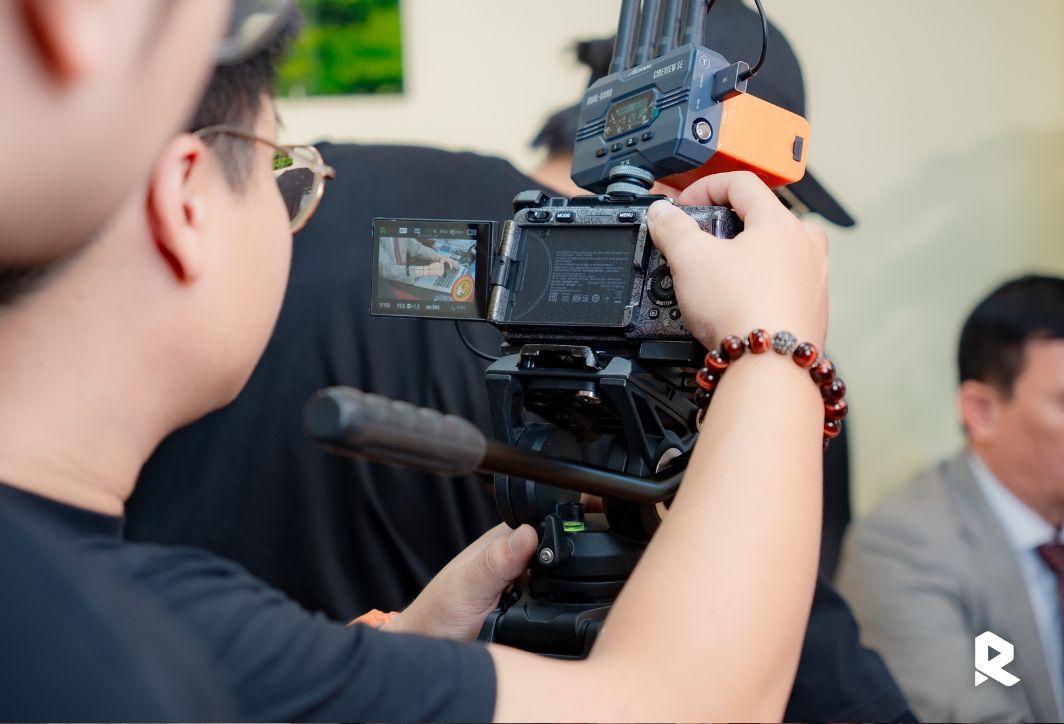
Right Media – A company that masters visual language and professional shot sizes.
In Right MediaWe understand that pressing the shutter button is only a small part of the process; the selection process is also crucial. close-up Knowing how to tell the customer's story most effectively is what truly defines a top-tier professional. Production House.
- Dedication brings complete peace of mind: Every frame produced by Right Media is the result of meticulous script research. We pay close attention to the placement of each shot to ensure the brand message is conveyed in the most subtle and powerful way. Clients always feel... feel at ease when the project is executed by a team with a deep understanding of the language of cinema.
- Competitive and transparent pricing: We offer comprehensive video production services at the most competitive prices. transparent This is demonstrated through detailed itemized pricing, from camera operators to post-production equipment, making it easier for businesses to manage their budget.
- Excellent support and expert advice: You don't need to be a filmmaking expert. Right Media's team will enthusiastically advise you on the best shot sizes for each segment of your video to achieve the highest conversion rate, from corporate films to TV commercials.
- Modern equipment: With its 4K/6K camera system and diverse range of lenses (Prime, Zoom, Macro), Right Media is confident in meeting all shot size requirements, from breathtaking panoramic shots to ultra-fine detail scenes.
Understanding different shot sizes is the first step into the world of professional video production. Each shot size is a building block in creating the emotion and message of a film. Don't hesitate to experiment with different camera angles and frame widths to find the most unique way to tell your story.
If you're looking for a company that can transform your ideas into professional films with masterful use of shot size and visual language, let us help you. Right Media We'll be with you.