
Table TV commercials (TVCs) play a crucial role in professional advertising campaigns for brands. A well-structured and coherent storyboard not only saves time and costs but also contributes to conveying the brand message effectively. So, how many TVC storyboards are there?
Why are TV commercial storyboards categorized into different types?
A storyboard, also known as a scene breakdown, is a visual outline showing the key frames of a TV commercial. Each frame depicts the scene, dialogue, camera movement, and visual effects (if any), helping the production team visualize exactly what will be filmed. This is a crucial component in creating a great and engaging video.
In TV commercial production, a storyboard acts as a detailed blueprint. It supports all stakeholders, from clients and directors to cinematographers and post-production teams, helping them understand the visual and content direction, thereby minimizing the risk of errors during production. A well-designed storyboard can significantly shorten video production time for each TV commercial.
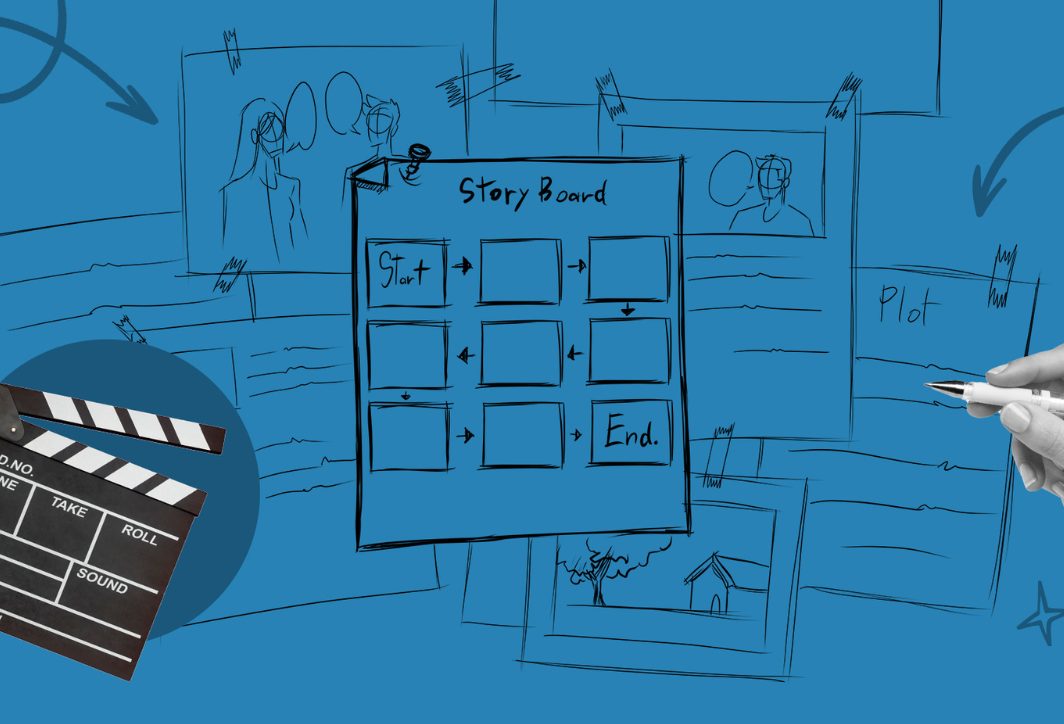
However, not all TV commercials have the same storyboard motif. Instead, a unique sketch is created for each TV commercial project based on the purpose and brand direction. Classifying different storyboard types helps to:
- Clearly define the content style according to the communication objectives (emotional, humorous, product, etc.).
- Save time on brainstorming and editing, avoiding wasted effort in the pre-production phase.
- Optimize the production budget when the team clearly understands the direction before actually starting filming.
- It's easy to convince customers with a vivid, visual simulation.
Businesses rely on their communication plan to select the appropriate storyboard. The more detailed the scene outline, the more effective the video shooting and editing process will be, especially in saving the business time and costs.
A compilation of 7 commonly used TV commercial storyboard formats.
Below are some common storyboard formats, suitable for different brand advertising goals. Depending on your industry and the message you want to convey, you can flexibly adapt them:
Storyboard (Storytelling)
This is the most common type of storyboard seen in TV commercials that are emotionally charged or target important periods of the year such as special occasions like Tet (Lunar New Year), festivals, and anniversaries. The content usually follows a storyline with a main character, situations, conflicts, climaxes, and a happy ending, naturally integrating the product into the overall narrative.
Any industry can create a storytelling storyboard. Many major brands have chosen this type of TVC storyboard, such as in the OMO detergent commercial during Tet (Lunar New Year), Vinamilk's TVC, Samsung's TVC, etc. Through the video content, viewers experience emotions such as joy, sadness, empathy, and responsiveness, making it easier for them to remember the brand's information.
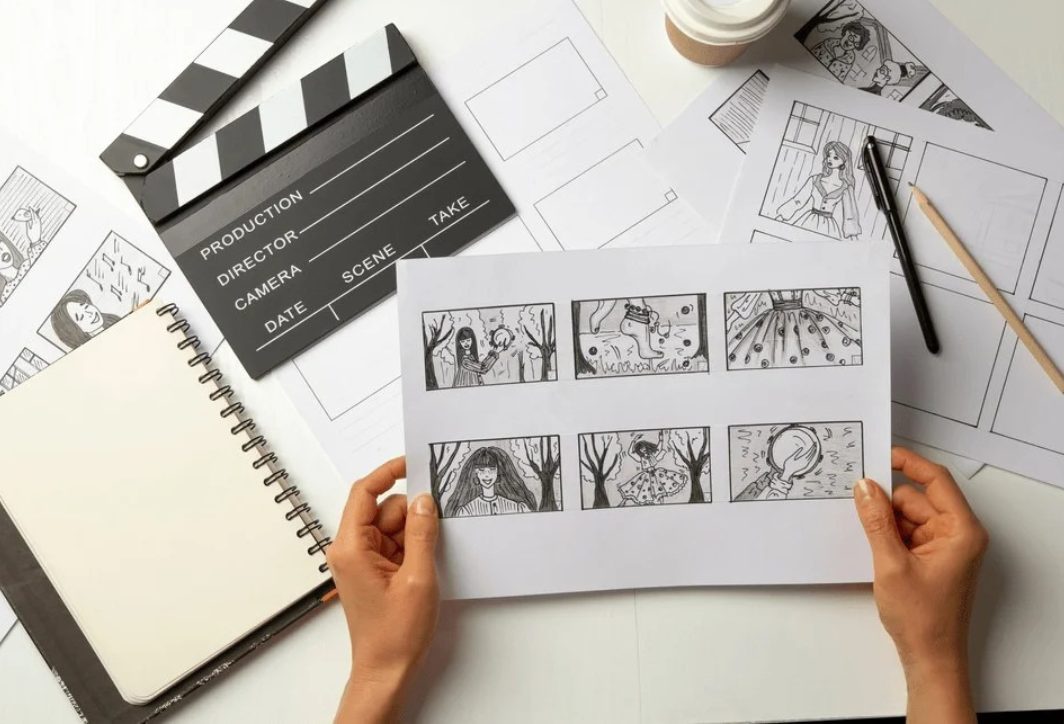
Product-benefit-based storyboard
In this format, the storyboard focuses on directly describing the product or service based on its specific strengths. Each scene in the storyboard illustrates a benefit, use, or reason why consumers should choose the product. Instead of incorporating the story into a TV commercial, this storyboard format allows viewers to directly grasp the information about the product/service.
This format is suitable for TV commercials advertising cosmetic brands, household goods, or technology products, etc., because viewers can quickly learn about the product's uses, features, and how to use it. For this storyboard format, it's best to prioritize short videos containing concise, impactful messages that provide practical value to viewers.
Humor/Twist Storyboard
This type of storyboard exploits humor, unexpected situations, or a "twist" at the end of the TV commercial. The advertisement usually begins with a normal event, then leads the audience in a different direction, and then takes a sharp turn to convey the brand message in a memorable way.
This type of TV commercial storyboard is commonly seen in advertisements promoting soft drinks, young brands, and startups. Additionally, large brands like Mirinda and Hảo Hảo frequently release humorous commercials. This helps create an engaging impression on viewers and increases the likelihood of the video trending on social media.
Lifestyle Storyboard
This format realistically portrays how a product appears in consumers' daily lives. The scenes are often gentle and natural, possibly accompanied by introspective voiceovers or emotional background music. The effect of this type of TVC storyboard is to create a sense of intimacy, allowing viewers to easily empathize, tap into emotional elements, and stimulate their desire to purchase.
Fashion, cosmetics, and health food brands have been effectively leveraging this type of TV commercial content. Your business can consider using a lifestyle-oriented draft format to reach potential customers in the most authentic and effective way.

Emotional/Inspirational Storyboard
This type of storyboard focuses on a humanistic message, often with minimal dialogue, concise visuals, and emotional music. The product usually only appears at the end as a natural part of the story. Some examples of TV commercials with emotional storyboards include advertisements for Vietnam Airlines, Prudential, and other insurance brands with a long history in the market.
CGI/Animation Storyboard
Storyboards are used in TV commercials that utilize complex 2D/3D or CGI graphics, helping to simulate movement, fictional settings, or products that cannot be filmed in reality. This format requires a detailed storyboard showing every movement and effect, making it suitable for advertisements for banks, e-wallets, new games, technology apps, etc. Modern storyboards are highly creative and feature striking graphics that attract a wide audience.
Testimonial-style storyboard – Real people share their experiences.
This format describes TV commercials in the form of interviews, sharing real experiences from customers, inspirational figures, or KOLs. The scenes are usually simple, filmed in a studio or real-life environment. They are commonly seen in advertisements for English language centers, dental clinics, beauty salons, etc. The direct sharing of experiences by those who have used the product or service increases credibility and persuades consumers.
Some important notes when building a storyboard for a TV commercial.
A detailed and logically structured TVC storyboard, tailored to the brand's characteristics, offers numerous benefits, particularly in helping the brand reach potential customers more easily. However, to ensure the storyboard fulfills its intended role, you need to pay attention to the following:
-
Stay focused on the communication objectives: Does the brand want to build recognition, sell products, or change perceptions?
-
Correct length: For TV commercials, the storyboard should be concise, ideally between 30 and 60 seconds.
-
Presented in an easy-to-understand manner: The drawing doesn't need to be overly detailed, but the camera angles, dialogue, and action need to be clear.
-
Share with other departments: Ensure that the director, client, producer, and post-production team have a unified understanding.
A storyboard is not just a technical step in TV commercial production; it's also a tool that helps brands master their message from the outset. Depending on your goals and positioning, you can flexibly choose the appropriate storyboard format from the seven popular types mentioned above. Invest time and effort in your storyboard—because a successful TV commercial always starts with a polished storyboard.