
Corporate documentaries are gradually becoming an indispensable communication tool for businesses. More than just a promotional video, a documentary provides a comprehensive view of a company, encompassing its development journey, culture, and people. Let's explore this film genre in detail in the article below.
What is a corporate documentary film?
Corporate documentary film This is a type of video with a structure similar to a television documentary. The film combines storytelling, on-location filming, and interviews with real people talking about the business. The content can revolve around the company's history, production process, brand story, or notable activities.
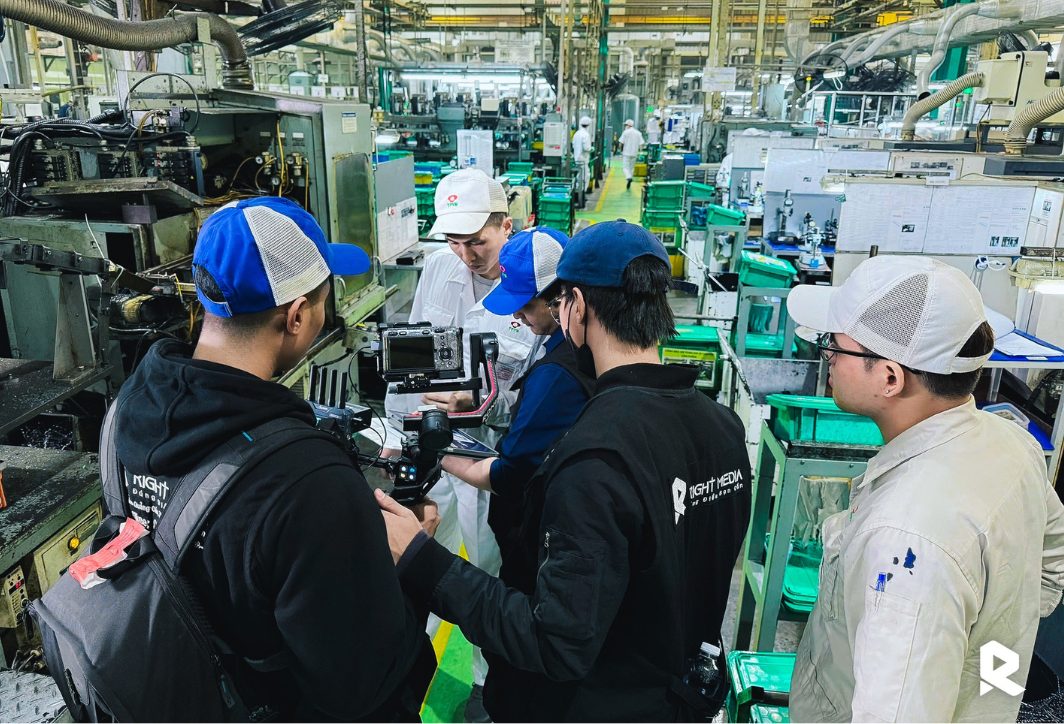
Corporate documentaries are not simply advertising videos. In fact, they are also a form of storytelling communication, building trust and evoking emotions in viewers.
The difference between corporate documentary films and regular TV commercials or promotional videos:
| Criteria | Corporate documentary film | TV commercial | Introductory video |
|---|---|---|---|
| Length | 3-10 minutes or more | 15 – 60 seconds | 2-3 minutes |
| Style | Intimate, authentic, and profound. | Concise, eye-catching, and highly technical. | Focus on providing an overview. |
| Content | Storytelling, on-site interviews, and filming. | A concise, powerful message. | Summary of basic information |
| Target | Building image, increasing credibility. | Make a quick impression | Provide information |
Key features of corporate documentary films:
- Filmed on location at the business.
- Interview leaders, employees, partners, or customers.
- Narrate through commentary or MC, with background music.
- Emphasize the value of people, processes, or the development journey.
- Highly persuasive due to the element of real people and real stories.
The benefits of corporate documentary films.
Corporate documentary films offer many benefits, including:
- Enhance credibility and build a professional image: A well-produced documentary film helps businesses make a strong impression on customers, partners, and investors.
- Conveying an authentic message that easily builds rapport: Compared to scripted commercials, documentaries offer a higher degree of authenticity. Viewers can clearly see how a business operates, its work environment, and the real people behind its success. This easily creates a positive impression and evokes more favorable emotions.
- Increase the effectiveness of multi-channel communication and marketing: Documentary films can be used flexibly across multiple platforms. They can be screened at events, sent to partners, or used in presentation materials.
- Contributing to attracting investors and partners: Having a professional documentary film will help investors understand the business thoroughly, from its operations and capabilities to its future direction. Authenticity and clarity in the content are major advantages in the persuasion process.
- Optimized for events, workshops, and internal communications.
Documentary films are shown at occasions such as anniversaries, grand openings, product launches, etc. They not only help to impress viewers but also serve as useful material for internal training.

Which businesses should use video documentaries?
Medium and large enterprises
This group of businesses typically has sufficient resources and content to create an in-depth documentary. They are also the group that frequently needs to build a sustainable brand.
The company has a remarkable growth story.
If your business has a memorable development journey, such as a business with a unique starting point or a significant turning point, a documentary film is a great way to share that story.
Businesses want to build a long-lasting brand.
Documentary films serve not only short-term campaigns but also long-term media assets. Businesses aiming for sustainable brand development should invest in this type of media.
The process of making a professional documentary film.
Step 1: Receiving requests and providing script consultations
The production unit will receive the request from the business. They will discuss the objectives, target audience, main message, and context. Based on this, they will provide preliminary advice on the idea and content structure.
Step 2: Conduct field research and develop content.
The production team conducts site surveys, preliminary interviews, and writes a detailed script. This includes the opening, main body, commentary, interview list, and necessary shots.
Step 3: Filming – Interviews – Documentary
The film crew will shoot real-life scenes. For example, production and operation activities, scenes of employees at work, interviews with leaders and customers, etc.
Step 4: Film Editing – Post-production – Voiceover
After filming is complete, the post-production process includes editing, color correction, adding background music, narration, and necessary effects. Depending on requirements, dubbing or subtitles may be added to suit various platforms.
Step 5: Handover and media support
Finally, the production team delivers the complete version and supports businesses in using the video effectively. For example, they can help with editing clips for social media, optimizing titles and descriptions for YouTube posts, and suggesting publishing strategies.
>> See more: Top 10 corporate film production company reputable and famous
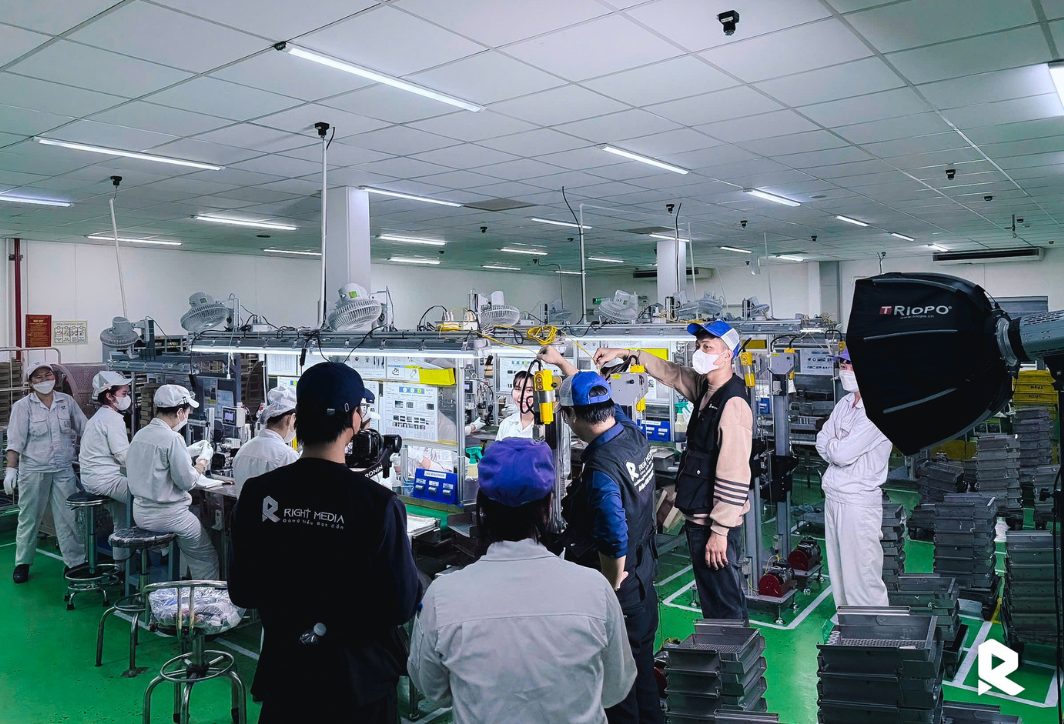
Some things to keep in mind when creating corporate documentary videos.
Corporate documentaries demonstrate professionalism, enhance a company's market position, and leave a lasting impression on partners and customers. Several key points should be considered when making such films:
- Prioritize authenticity, avoid excessive staging: Today's audience can easily spot forced or exaggerated acting in videos. Therefore, prioritize naturalness and capturing genuine moments instead of trying to create something too perfect.
- Choose a production company with experience in documentary filmmaking. Not every video production company does a good job with documentary-style corporate films. Choose a partner who has experience producing documentary-style corporate films, knows how to tell stories, ask interview questions, and handle post-production with depth.
- Ensure the script has depth and stays on track with the message: A documentary film is only good when it conveys a clear message and there is a connection between the images, commentary, and story.
Corporate documentaries are a modern, professional, and emotionally engaging form of communication. They not only help businesses build trust with customers and partners, but also serve as a bridge to create a sustainable brand image in the public mind. If your business is looking for a unique and compelling way to tell its story, a corporate documentary is a worthwhile investment.
>> See more: