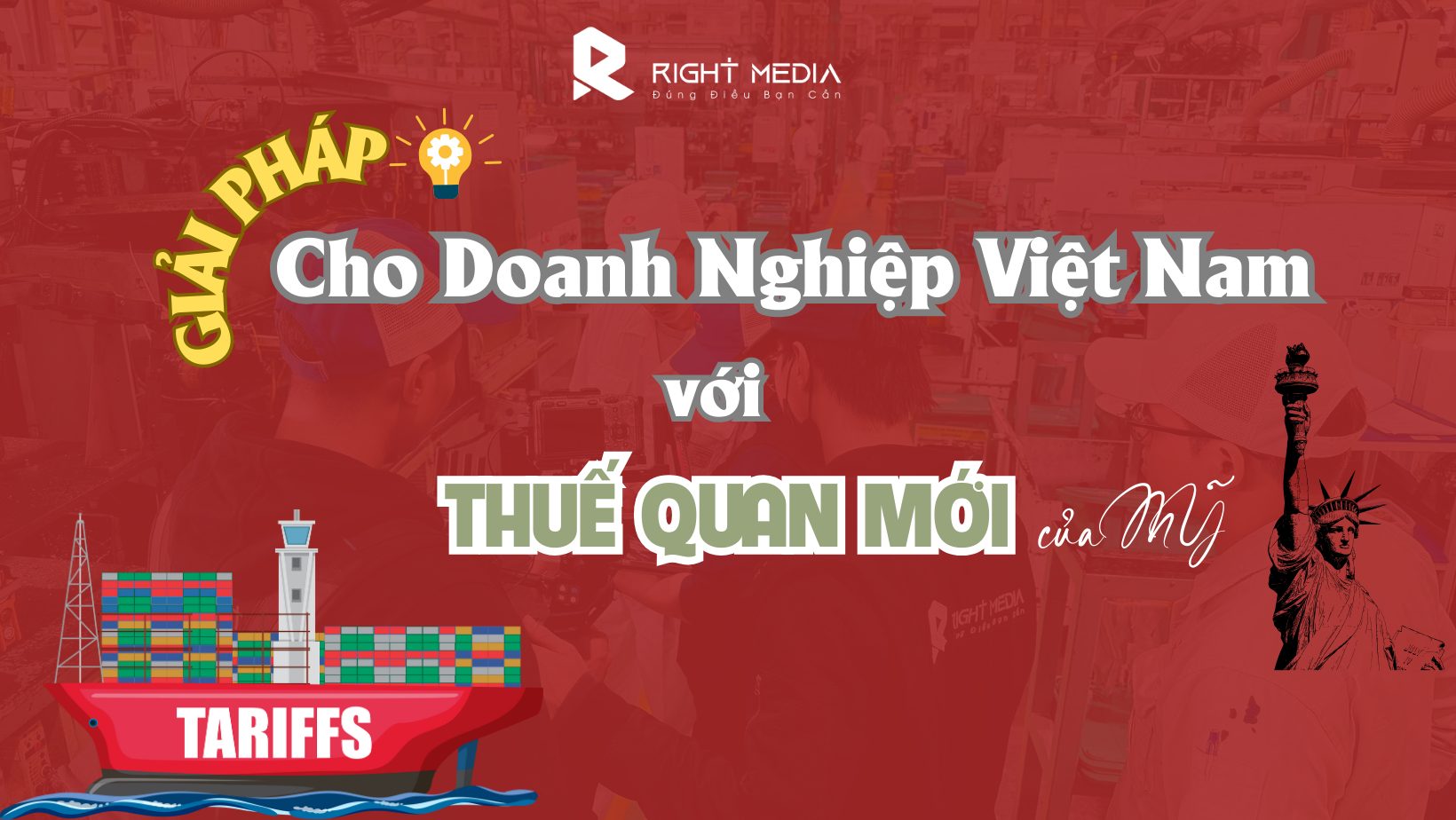
As you, our readers, know, the US has been continuously adjusting its tariff policies on import and export activities. This has a significant impact on businesses worldwide, including those in Vietnam. Vietnamese businesses face numerous pressures, especially in terms of costs and legal issues. Are there any optimal solutions for businesses?
The challenges faced by Vietnamese businesses due to the new US tariffs.
The change in US tariff policy has dealt a heavy blow to businesses with import and export relationships with the country, especially China, which faces exorbitant tariffs. However, this has also indirectly created a wave of pressure on other countries, and Vietnam is no exception.
The difficulties that Vietnamese businesses face due to the new US tariffs include:
- Rising export costs – reduced competitiveness
This is one of the concerns facing Vietnamese businesses. The cost of producing goods domestically will be significantly affected by changes in US tariffs. This will result in higher-than-normal product prices, leading to various negative consequences for businesses.
In particular, there is a decline in the competitiveness of Vietnamese goods compared to other countries that have FTAs with the US or countries that enjoy special tariff exemptions. High-risk items that are affected are those with competitive pricing, including textiles, footwear, and electronic components, etc.
- Increased risk of being suspected by the US of being a transit point for goods.
Being close to its neighbor China brings many economic benefits to Vietnam, but it also subjects the country to much controversy. This is especially true for import and export activities, where Vietnam could face investigations by the US regarding the origin of goods. The US government may suspect that China is using intermediary countries to import goods into the US in order to reduce tariffs.
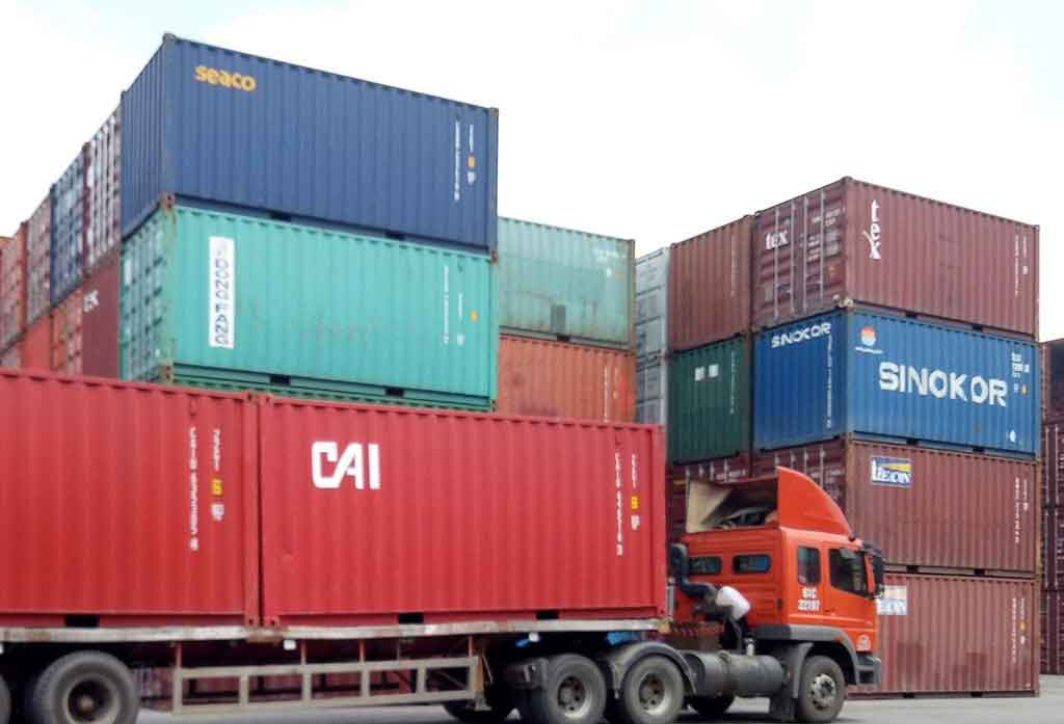
Therefore, our goods will be subject to stricter inspections. Furthermore, Vietnamese businesses may face the risk of having to pay anti-circumvention taxes. This will certainly cause significant financial losses.
- Supply chains are changing and adapting.
To best mitigate the risks posed by the new US tariffs, domestic businesses are compelled to implement new reforms, especially in their supply chains. This solution helps businesses demonstrate the origin of their goods and reduce the risk of being subject to anti-circumvention duties.
Although solutions exist, not all businesses have the capacity to implement them. Changing the supply chain requires substantial resources, technology, and a supporting ecosystem. Currently, imported raw materials from China, such as electronic components, remain the main source for Vietnam. The US may impose higher tariffs on Vietnamese goods that use components from China.
- The consumer market is facing difficulties in expanding.
Businesses may need to find new ways to reduce import and export costs in the context of increased US tariffs. However, accessing and developing new markets is not an easy task.
Because businesses at that time also had to consider the consumer culture of that country, the technical standards for import, and could not avoid non-tariff barriers. This was a major challenge for small and medium-sized Vietnamese businesses wanting to promote international trade.
- Cash flow and production risks
International orders may decline in the current climate. Inventory levels could rise rapidly while production costs are significantly higher than before. If businesses cannot control their cash flow, they could face imbalances or even bankruptcy.
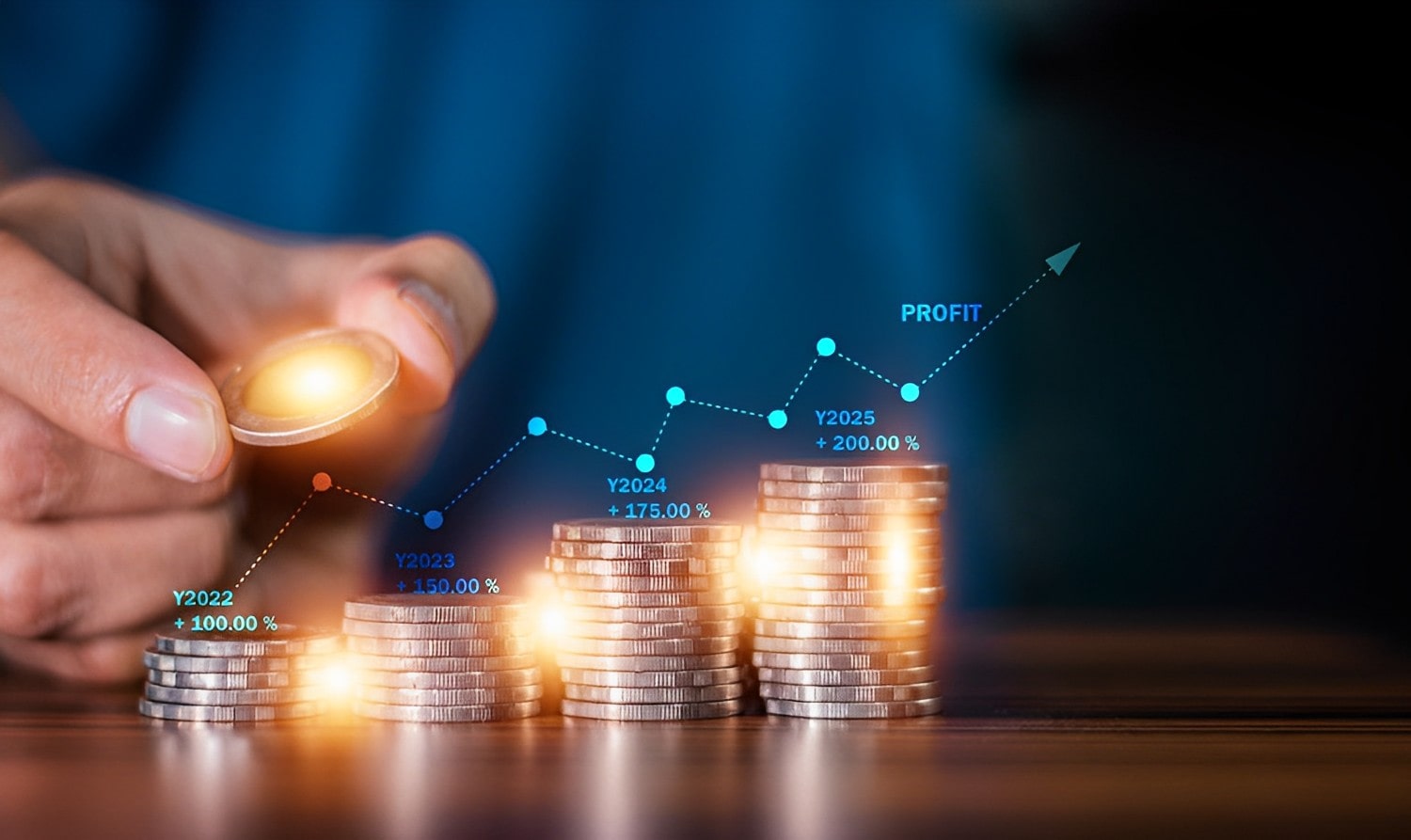
Particularly for businesses primarily engaged in outsourcing, unstable capital can lead to significant risks when the market changes. These businesses will have to implement various solutions to improve their production systems, upgrade technology, or increase commercialization in order to survive in the future.
Manufacturing industries in Vietnam are affected by US tariffs.
Domestic production will be affected by the new US tariffs. So which Vietnamese industries are at the highest risk? Let's look at some of our key industries that are likely to be on this list:
- Technology and electronics industry: This sector has a large export volume to the US market. However, as mentioned above, the supply of components and raw materials still mainly comes from China. This will increase tariff pressure on our goods, and there is also the risk of being rejected by the US market.
- Wood processing and furniture industry: Many businesses use wood raw materials from China or act as intermediaries, sourcing finished products from that country and selling them to other countries. The US may impose anti-dumping duties on goods from Vietnam.
- Machinery and mechanical equipment industry: Businesses will likely face rigorous origin investigations by the US to prevent China from "smuggling" goods to third-party importers to reduce tariffs.
- Textile and footwear industry: This is a key export sector for our country. Under pressure from US tariffs, this sector may face risks related to increased raw material import costs and various trade barriers during the export process. To maintain the supply chain, businesses may have to adjust their production processes.
7 practical and feasible solutions to help businesses overcome tariff difficulties.
To mitigate the risks posed by changes in US tariffs, Vietnamese businesses need to develop specific strategies to adapt as soon as possible. One of the most feasible solutions at this time is:
Diversify export markets
We should avoid relying solely on the US market to mitigate the impact of major policy changes from that country on our own. Although the US is a fertile ground for businesses, to minimize risks, we should actively expand our export markets.
Especially for regions with free trade agreements with Vietnam, this helps to diversify tariff risks. Examples include EU countries, Japan, South Korea, Australia, the Middle East, and Africa. Diversifying export markets also helps many businesses position their brands in the international market.
Product structure transformation
In fact, many goods are not significantly affected by the new US tariffs. Therefore, businesses can shift their product structure, reorient their export strategies, focus on "safe" product lines that are less subject to tariffs, and target niche market segments.
Third-country processing
Many businesses are now adopting this solution to maintain import and export operations in the face of high tariffs. Specifically, businesses will move part of their production process to a third party. These countries will handle those stages and import the finished products into the US at more favorable tariff rates.
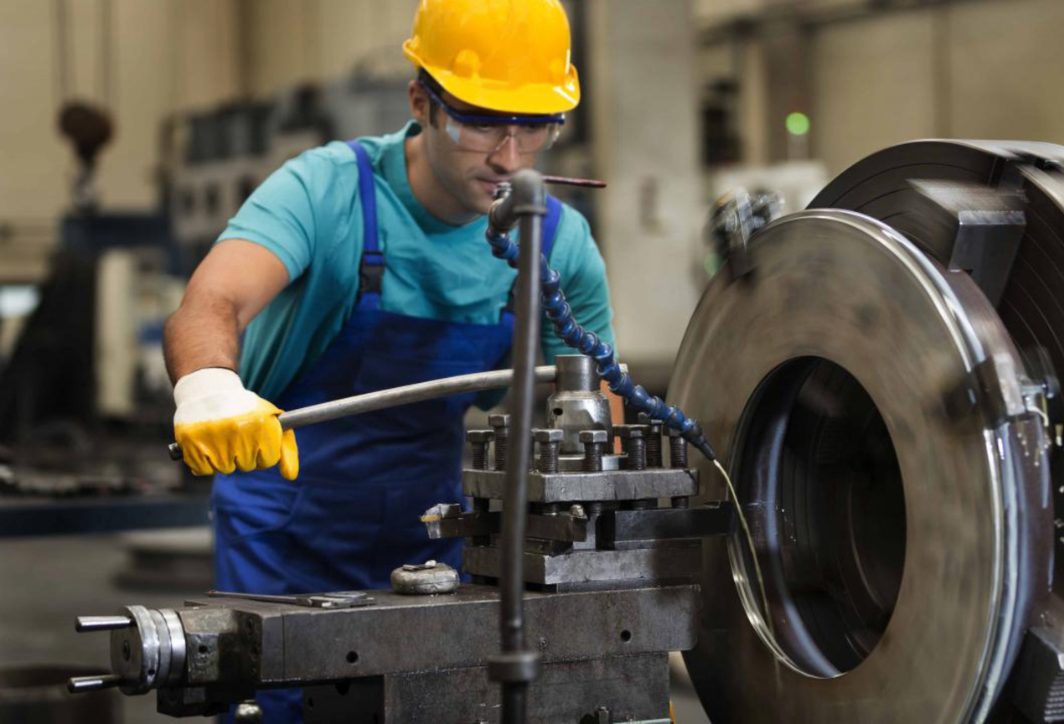
Countries such as Mexico, India, Indonesia, and Latin America are often chosen by businesses for outsourcing manufacturing. This helps expand the customer base for businesses while reducing the risk of anti-circumvention duties being imposed by the US.
Strengthen cooperation with US FDI or joint ventures.
In addition to the solutions mentioned above, given the increasing US tariffs, Vietnamese businesses can develop joint ventures with US partners or actively seek investment from foreign corporations. This approach will help enhance confidence in the US market, develop global distribution potential, and diversify resources and technology.
Working with the Ministry of Industry and Trade and associations.
To minimize risks, businesses should not act in isolation but should work with the Vietnamese Ministry of Industry and Trade, trade attachés, and industry associations to obtain the most accurate information. This is especially important for legal issues, support in handling trade defense cases, and trade promotion activities in the US market.
Business restructuring & digitalization
Instead of viewing the current market situation as a dead end, businesses should see it as an opportunity to restructure their operations, production processes, management practices, and digitize their commerce. Accordingly, to meet stringent US standards, businesses need to implement ERP systems, smart supply chain management, traceability systems, and prepare transparent certification documents.
International Media & Corporate Video
In addition to the solutions mentioned above, to boost production and integrate into the global market effectively and with minimal risk, businesses also need to control their image and elevate their brand through a sustainable communication strategy. Below are some solutions for international communication and corporate videos:
- Profile Video / Corporate FilM
In parallel with producing videos in Vietnamese, businesses should incorporate captions in English (or the language of the target market) so that foreign partners can easily access the content. This is also an effective way for businesses to showcase their production capabilities, build trust, and attract investment from countries around the world.
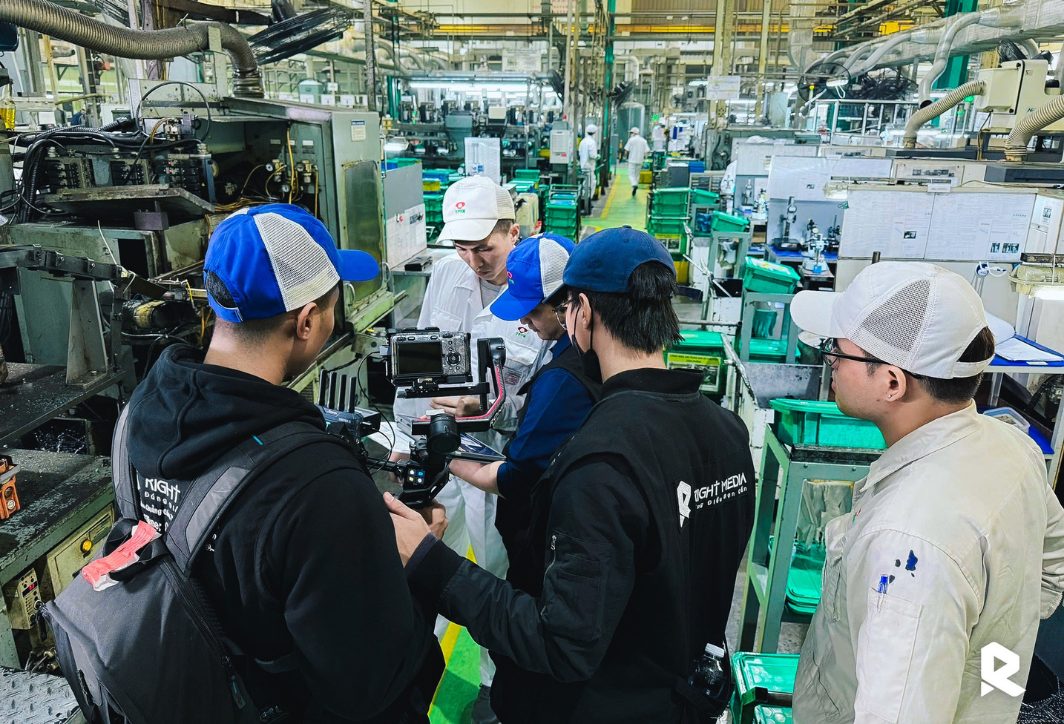
Right Media We will assist you in developing scripts, brainstorming ideas, and producing corporate videos. corporate films...bilingual and multilingual videos based on customer needs. We ensure videos meet international standards with beautiful visuals, high-quality sound, and attractive special effects, increasing opportunities for businesses to access the global market.
- Company Profile (PDF / Catalogue)
Using professionally designed, internationally formatted brochures that clearly present information about production, products, certifications, customer volume, projects, etc., will help enhance your business's standing in the international market, especially when you want to approach US importers.
- Native language landing page or multilingual website
A website with multilingual phonetic transcriptions will make it easier for international users to access your business. This can lead to increased revenue and better conversion rates. This is an easy-to-implement solution that any business should adopt to enhance its chances of entering a larger market.
- Professional photo set
Creating professional photos that showcase the scale of your factory, production lines, products, and workforce will help build trust in your business among foreign clients. Therefore, to build lasting trust with both domestic and international customers, businesses should invest in visuals by using modern technology and shooting according to international standards.
- Brand storytelling
Telling the story of the brand's journey, mission, and core values, rather than focusing solely on the company's day-to-day operations, is a crucial and highly valued factor in the partner selection process for foreign markets, especially the US and European countries.
In summary, the changes in US tariffs pose a significant challenge for Vietnamese businesses, but they also present opportunities for groundbreaking transformations. Instead of maintaining import and export activities as in previous years, embracing these improvements will help businesses diversify their markets, accelerate the restructuring of production, and attract more investment. Proactively adapting today is how Vietnamese businesses will assert their position on the global economic map tomorrow.