
Lighting plays a crucial role in filmmaking. It's not just a purely technical element; it also contributes to creating emotion and conveying the story and message of the film. In this article, we will help readers better understand the importance of lighting in filmmaking.
What is lighting in filmmaking?
In filmmaking, lighting refers to the process by which producers adjust, design, and utilize light sources to create space, atmosphere, mood, and style for a scene in a film. It helps viewers see images more clearly and influences their feelings, allowing them to better understand the story and message.
Each film genre uses different lighting, depending on its unique characteristics. For example:
- For horror films: Using dim lighting, high contrast, and shadows creates a sense of suspense for the viewer.
- For romantic films: The lighting used tends to be warm and soft, evoking a feeling of tranquility and warmth.
- For action movies: The lighting is often strong, conveying dynamism and intensifying the pace of each movement, creating a sense of suspense and tension for the viewer.
In filmmaking, lighting is not merely a tool for illumination but also a visual language that conveys the story and message of the film. Understanding this concept and using lighting effectively will yield high artistic results, helping to attract and engage the audience.
Basic types of lighting in filmmaking
As mentioned, lighting in filmmaking is used flexibly depending on the film genre. It is not only a lighting tool but also an artistic element, helping to evoke emotions in the audience. Basic types of lighting used in filmmaking include:
Three-Point Lighting
This is a commonly used type of lighting in filmmaking. There will be three light sources: main light, supplemental light, and edge lighting.
- Key Light: This is a light source that shines directly onto the subject to create the strongest light in the frame. This light source will play a decisive role in determining the intensity and direction of light for the shot, and it will also help create shadows and highlight details. Typically, the main light is placed at a 45-degree angle to the subject.
- Fill Light: This light source is used to reduce the shadows cast by the main light, thereby creating a balance of light, reducing contrast, and ensuring that the frame is neither too bright nor too dark. The supplementary light is usually placed opposite the main light with a lower intensity.
- Backlight: The light shines from the subject. The role of edge lighting is to separate the subject from the background, creating a outline and depth. At the same time, this light source enhances the artistic quality, making the scene more appealing. Edge lighting is usually placed behind or above the subject at a high angle.
Natural light and artificial light
Natural light
Natural light, such as sunlight and ambient light, is used in filmmaking to create a realistic experience for viewers while saving on equipment costs.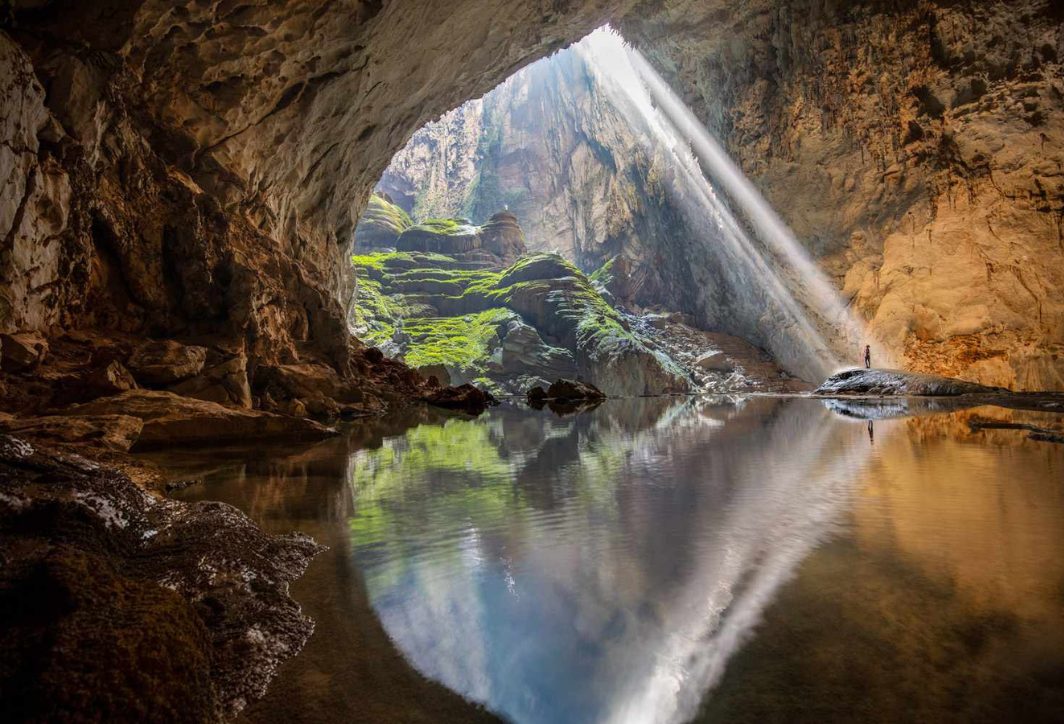
Natural light in the documentary footage of Son Doong Cave.
However, the producer will not be able to control this light source and will be entirely dependent on weather conditions. Natural light is used in film formats such as documentaries or films that need to recreate natural scenery, creating the most realistic feel.
Artificial light
Artificial light is the light source provided by projection equipment. Filmmakers can flexibly adjust the light source, changing the intensity, direction, or color as needed, without being constrained by time or space.
However, using artificial light sources requires investment in equipment, and the lighting technician must possess a certain level of skill and expertise. Artificial lighting is used for indoor scenes and settings requiring special lighting effects.
Static light and dynamic light
Static light
Static lighting has an intensity, color, and direction that remains unchanged throughout the scene. This type of lighting is often used for scenes requiring stability and a natural feel, suitable for dialogue sequences or long shots.
Dynamic lighting
The intensity, color, and direction of light are adjusted flexibly and continuously according to the scene. Dynamic lighting is used to increase the drama and rhythm of the film. Typically, dynamic lighting is used in action scenes, explosion scenes, or scenes requiring special effects.
Light by intensity
Light, categorized by intensity, can be divided into the following main types:
- High-Intensity Lighting: The lighting is clear, with minimal shadows. It's used in comedy films, family movies, and scenes with a lighthearted, fun atmosphere.
- Low-Intensity Lighting: Creating shadows and high contrast, this technique is often used in horror films and those with dark, mysterious elements.
Color-coded lighting
Color-coded lighting can be divided into two types: warm light and cool light. Specifically:
- Warm light: Colors like yellow, orange, and red help create a sense of intimacy, warmth, and happiness. Therefore, this type of lighting is often used for scenes such as sunsets, campfire scenes, and romantic scenes.
- Cold light: The blue or white tones of cool light create a sense of loneliness, coldness, and modernity, often used for night scenes, hospital settings, or science fiction films.
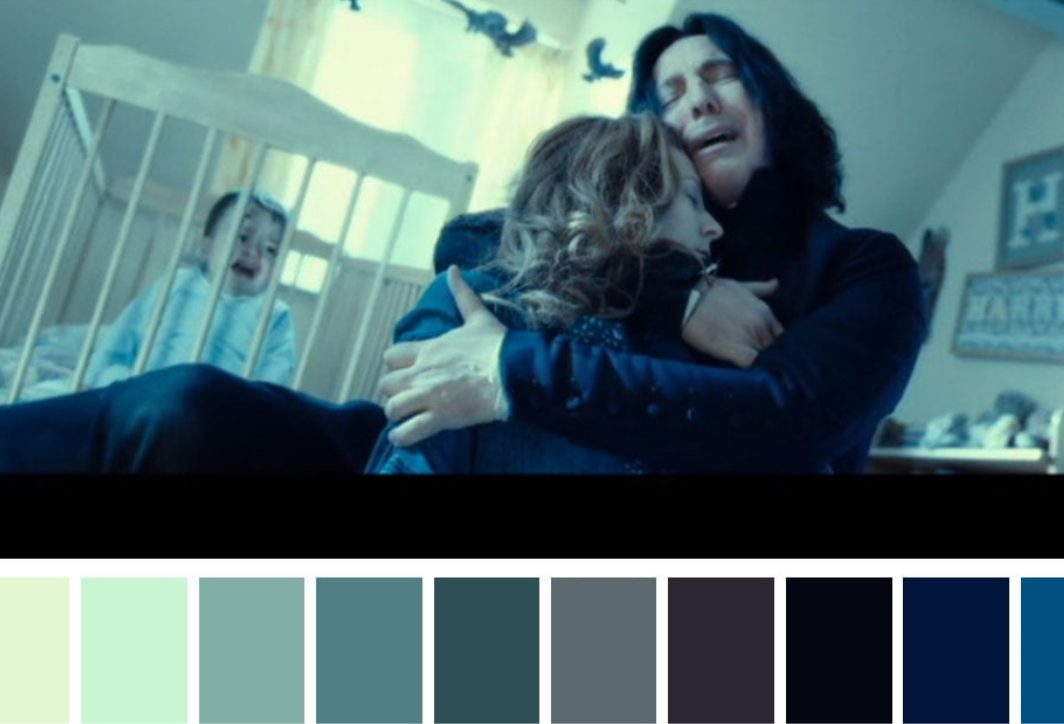
Color-coded lighting in the Harry Potter movies.
How important is lighting in filmmaking?
As mentioned, there are basic types of lighting used in filmmaking. Below are the main roles that lighting plays in contributing to the success of a film:
- Conveying emotions to the audience: Lighting helps create emotion and atmosphere in a film, effectively conveying the message and feelings to the viewer. For example, romantic scenes often have warm lighting, while horror scenes will have dark lighting and high contrast, etc.
- Attracting the audience's attention: Proper lighting helps to draw the viewer's attention to the frame. For example, the main light makes the central character or object stand out more, allowing the audience to clearly see facial expressions and understand their emotions.
- Enhance the artistic aspect: Lighting plays an extremely important role in filmmaking and is an indispensable element in creating the artistic quality of each film. Filmmakers will use appropriate lighting sources to create their own unique style and attract viewers.
- Create depth and space: Proper use of lighting helps create a three-dimensional and two-dimensional effect in a film scene.
- Expressing space and time: Morning light is different from evening light, and outdoor light is different from the light when a character enters a house. Using lighting effectively in filmmaking helps make a movie more realistic and sharp.
- Create connections: Lighting not only helps evoke emotions in the viewer but also connects the characters and the story, making the film's narrative more coherent and logical.
Lighting is not just a technical tool; it's also an art form in cinema. It's an indispensable element in any artistic production, not just in film, but also in theater, media, and advertising. Understanding and using lighting correctly will make a work of art more appealing and captivating to the viewer.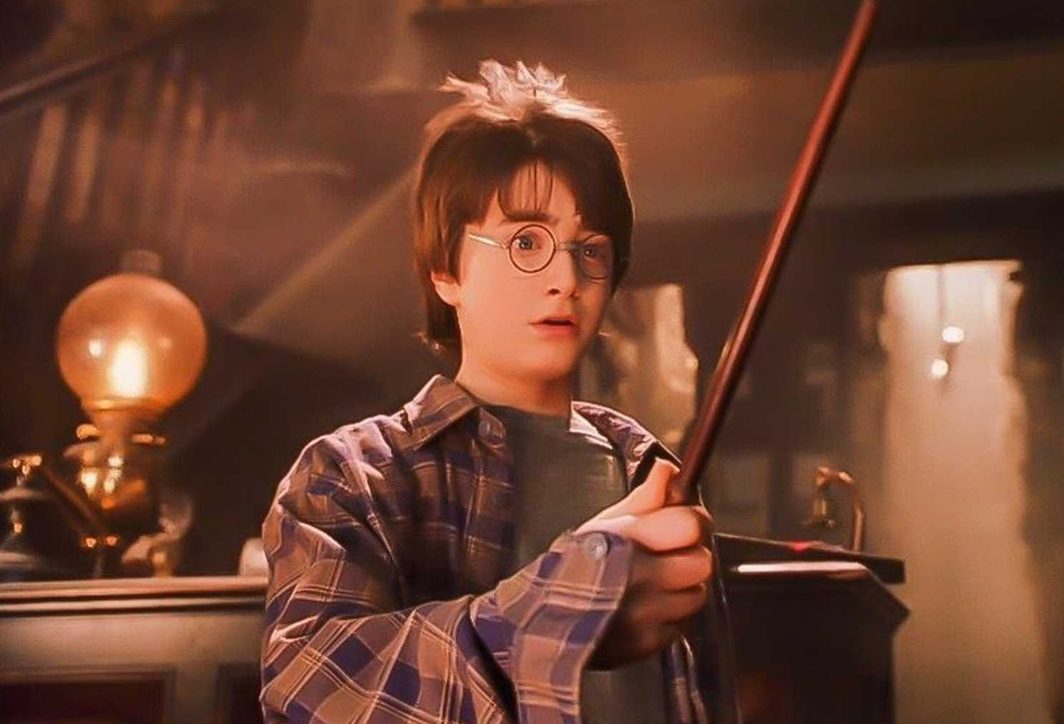
A scene from the Harry Potter movie.
Notes on using lighting in filmmaking
We've helped you understand the importance of lighting in filmmaking. Now, here are some important tips to help you use lighting effectively:
- The purpose of using the light needs to be determined: The lighting for scenes depicting sadness, joy, happiness, tension, romance, etc., will be different. Filmmakers need to clearly define the purpose of the scene to choose the appropriate lighting source.
- Choose a light source that suits the context: Outdoor scenes can utilize natural light, but artificial lighting may be used if weather conditions are unfavorable.
- Optimizing the three-point lighting system: Use appropriate main, secondary, and edge lighting to create depth in the shot and make the main character stand out. The light intensity must also be adjusted to ensure a balanced frame, avoiding excessive brightness or darkness.
- Take advantage of the colors of light: Use appropriate lighting and color tones for each scene. Avoid overusing colors, as this can make the film look unnatural or visually overwhelming for the audience.
- Key techniques to pay attention to: Control shadows and contrast, adjust light direction and angle, create depth in the frame by using edge lighting or taking advantage of distant light sources, etc.
- Pay attention to safety and lighting equipment: Ensure that lighting equipment is installed safely for the actors, avoiding accidents such as falling or overloading. Use heat sinks or other devices to prevent overheating and potential fires. Regularly check the electrical system and power supply before filming.
- Interaction between light and other elements: Adjust the lighting to match the colors of the clothing, the surrounding background, and the camera angle.
Hopefully, this article has helped readers understand the importance of lighting in filmmaking. Proper use of lighting gives a film soul and evokes emotions in the viewer. However, filmmakers must possess a certain level of understanding, skill, and creativity to make their films stand out and be more engaging. Every decision regarding lighting needs careful consideration to align with the film's artistic goals.