Footage is like a rough gem, waiting to be polished into a complete, valuable, and aesthetically pleasing work of art. Creating visually appealing and effective advertising footage is a crucial task for the editing team or filmmakers. This process can be time-consuming and technically demanding, depending on the client's requirements.
What is footage?
Simply put, footage is raw, unedited video footage captured after filming. Because it's unedited, the color, sound, lighting, and camera angles are quite basic and don't fully convey the intended message or content. Once all the footage is collected, editors will proceed to edit, cut, and combine it to create complete videos for commercial, advertising, or entertainment purposes.
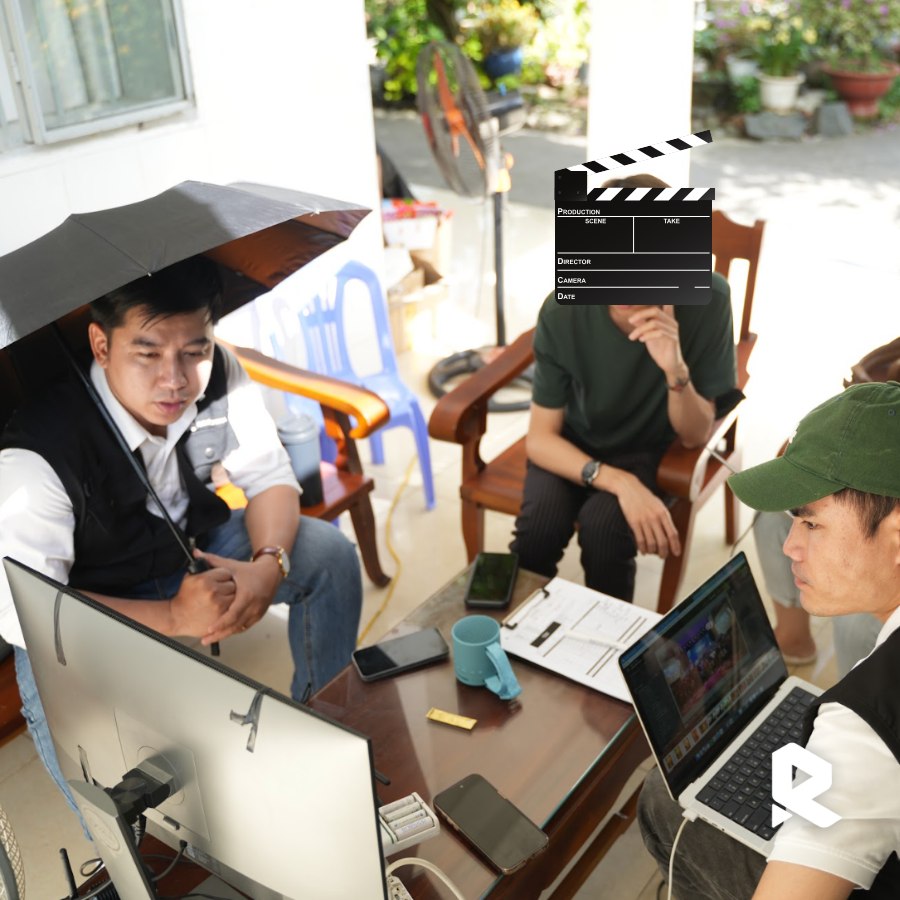
Footage refers to raw footage that has not undergone post-production editing.
Footage can be purposeful, scripted footage, or sometimes it's spontaneous, unscripted video that's then edited and manipulated to serve various purposes. Sometimes, editors use finished videos to create footage for other content. Footage content is also very diverse, ranging from videos and clips containing only audio and visuals, etc., captured from scenes, events, films, and so on.
Footage and video classification
Footage videos can be categorized into the following types:
RAW Footage
RAW footage consists of original, unprocessed scenes captured by professional cameras and recording equipment. These videos typically have high resolution and sharp image quality, making post-production editing much easier. The preservation of true-to-life colors and lighting also allows editors to showcase their skills effectively.
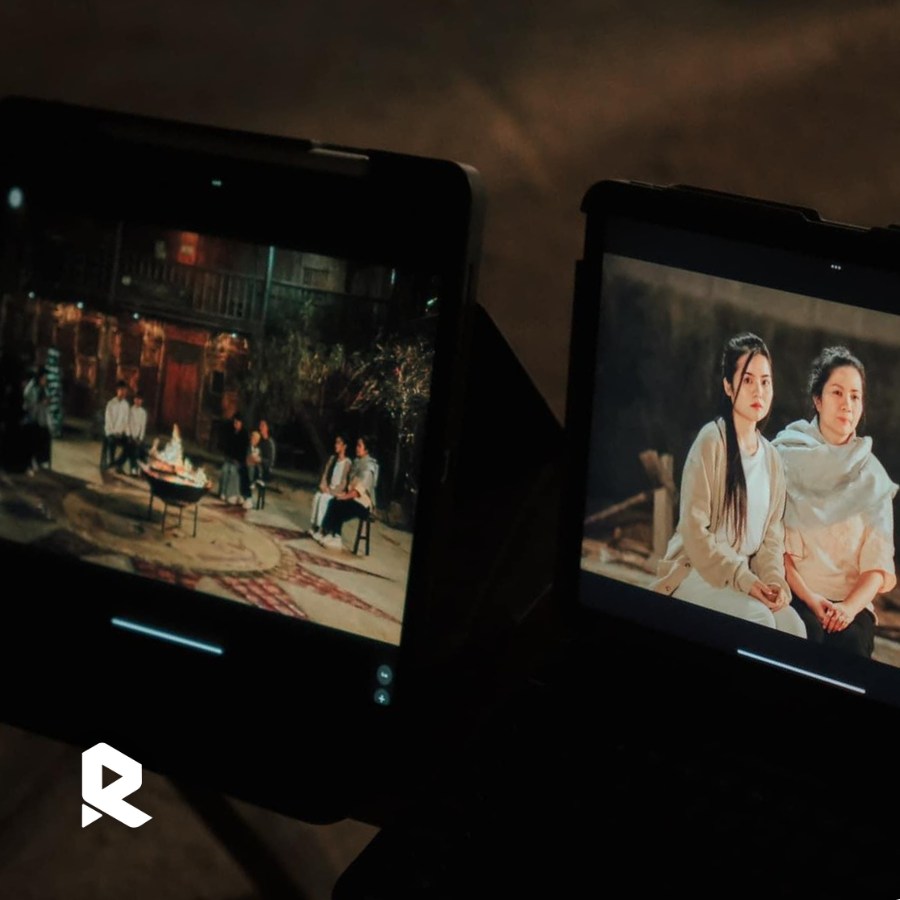
Raw footage is a compressed file format designed to reduce file size while maintaining video quality for easier post-production editing.
Most commercials or professional videos prefer using RAW footage over videos that have been color- and lighting altered during filming. Additionally, RAW files reduce storage space while maintaining image quality.
A-Roll
A-Roll, or main shots, plays a central role in videos after editing. A-Roll is often used for promotional videos, talk shows, news programs, or documentaries. However, A-Roll is usually confined to a single frame, making videos monotonous, boring, and unappealing.
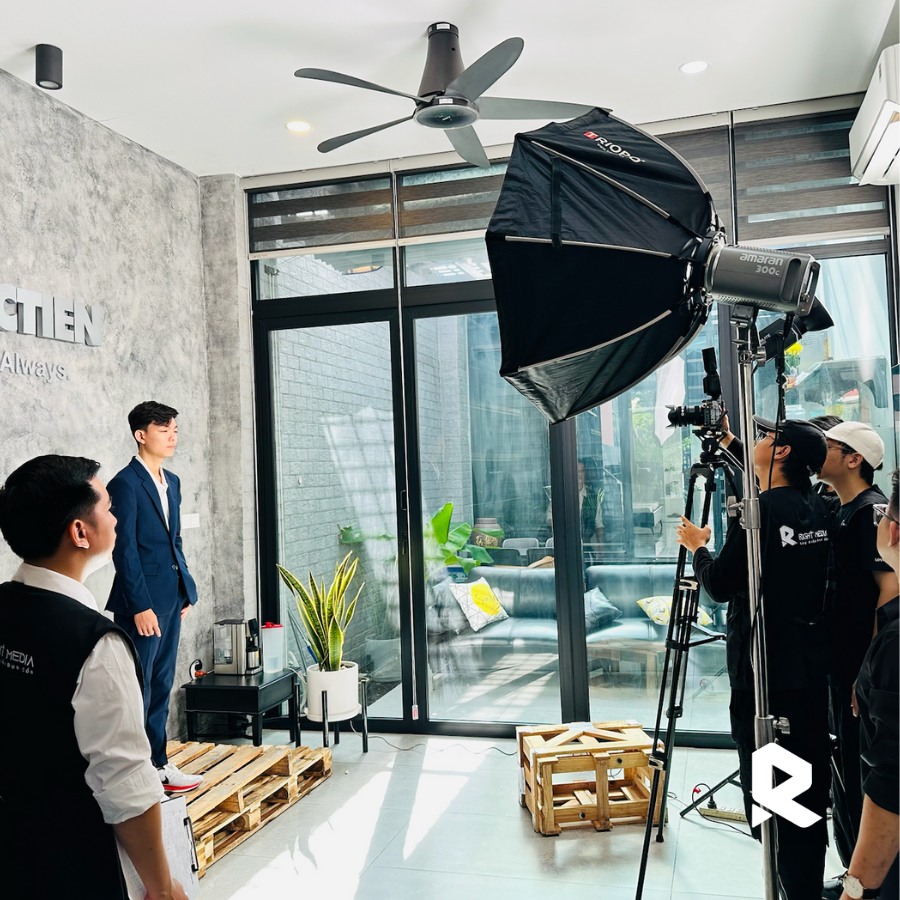
A-Roll refers to fixed, key shots, often used in promotional videos and talk shows.
B-Roll
B-rolls are transitional shots, often used to support A-rolls to make videos more engaging and less monotonous. B-rolls can feature shots of hills, the sky, nature, or any object, without a clearly defined subject. Therefore, B-rolls can be applied and reused multiple times for various videos with different content.
Secrets to Creating Effective Video Advertising Footage
Creating an effective video footage involves many stages. From defining the concept, filming, post-production, to editing, cutting, and adding music, all these steps directly impact the final advertising video footage.
Define objectives
Before shooting any video, you first need to accurately define your goals and ideas, with clear and specific content, to make the process faster and more efficient. Simply shooting without a clear plan will result in a situation where, despite having a lot of footage, you can't edit it into a complete video that meets your requirements.
Understanding the purpose of the video is essential for creating an effective footage shooting plan.
For example with TV commercial To introduce and stimulate purchasing demand, you need to start by researching the product (uses, brand colors, characteristics), building a video script, finding suitable locations, etc. Once you have prepared all these elements, the process of completing the footage and editing it into finished advertising videos will be extremely smooth and fast.
Professional filming equipment
Of course, to create a visually appealing and effective advertising video, image and clip quality plays a crucial role. Using professional filming equipment will capture RAW footage with high resolution, sharp detail, and realism. Professional cameras often capture the original lighting and color conditions, or have built-in image stabilization and anti-shake features to deliver the highest quality RAW footage.
For commercials with less demanding requirements, mobile phones can still be used for filming. However, the resolution of these devices is not good, potentially resulting in blurry images, inaccurate colors, or lighting, leading to more complex post-production editing and less guarantee of the desired results.
Additionally, units specializing in filming and editing will need other supporting equipment such as microphones, tripods, gimbals, reflectors, lighting equipment, and various lenses, etc.
Filming technique
Filming technique is also a crucial factor that directly impacts the results of advertising video footage. This technique can include camera angles, composition, lens aspect ratio adjustment, lens usage, etc. Professional cameramen with good technique will contribute to capturing footage quickly, accurately, and more effectively during video editing.
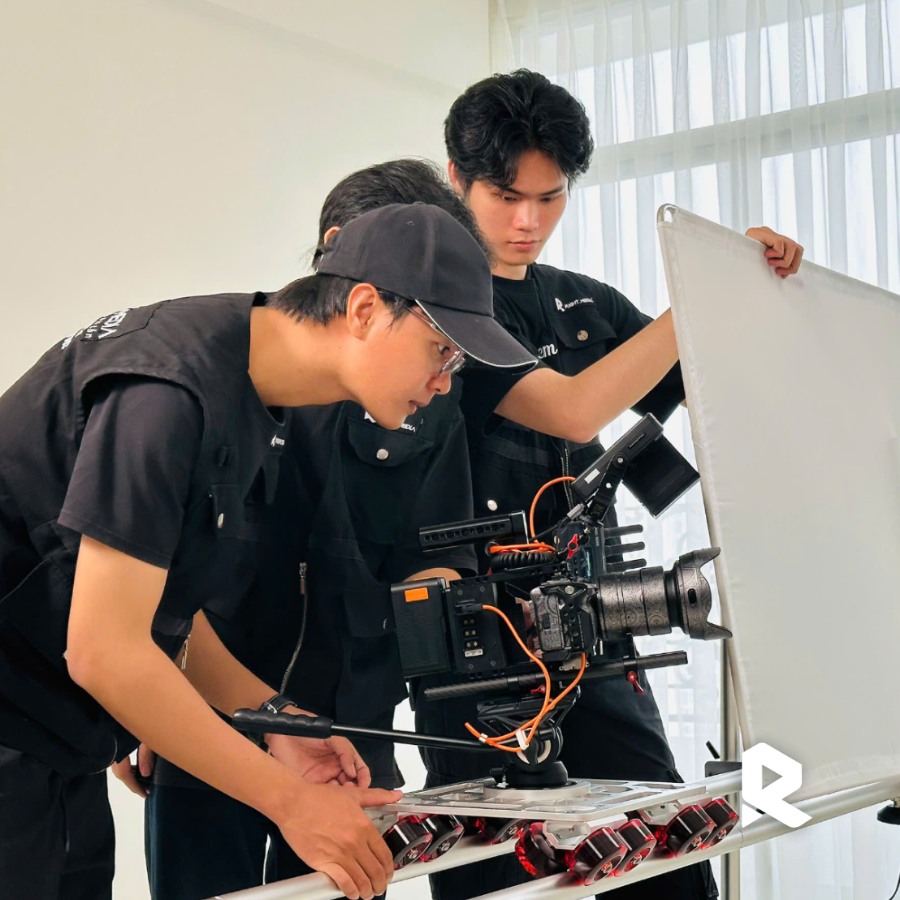
Filming techniques also directly impact the quality of the footage.
Some techniques that are highly valued when shooting and editing footage for advertising videos include:
- TableSimply put, this is the step of clearly outlining ideas using illustrations to better visualize what needs to be done, thereby also determining the filming location or the logical arrangement of people, objects, and products.
- Shooting mode: There are usually two main modes: 24frs and 30frs (frames per second). 24frs is more commonly used because it offers a realistic and intimate feel while still maintaining a cinematic and artistic quality. However, if you need fast-moving footage with smoother display, such as in television or online video formats, cameramen often choose 30frs.
- Zoom in: When shooting video footage, many people tend to avoid or discourage the use of zoom (zooming in) mode because it can lead to blurry or out-of-focus footage, making post-production editing more difficult. Instead, cameramen now use the Dolly technique – moving the camera forward or backward to capture smooth close-up/far-field shots while maintaining video quality.
- Filming multiple short segmentsInstead of shooting one long sequence from beginning to end, many choose to shoot multiple short sequences, focusing on different scenes, compositions, and plot developments. This makes it easier for post-production editors to find necessary clips and edit them as needed. However, it's also possible to divide the filming into multiple cameras, each performing a different function, to ensure all necessary shots are recorded and to avoid missing any crucial moments.
Post-production team
Whether raw, boring footage can be transformed into an engaging, humorous advertising video that reaches viewers and achieves the desired results depends on the skills and mindset of the post-production team. No matter how beautiful or sharp the footage is, if the post-production team lacks editing skills and creativity, they cannot produce a finished product.
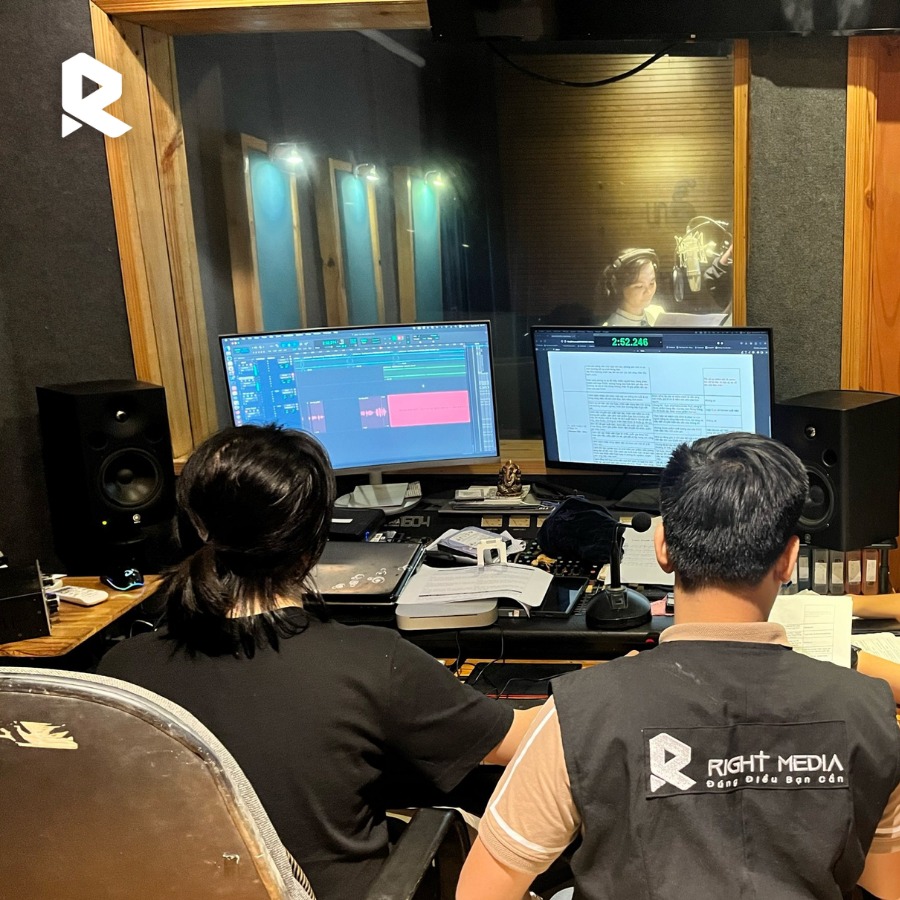
The post-production team is the one who transforms raw, monotonous footage into a complete, engaging, and captivating video.
For example, in product advertising videos, the main subject is often filmed against a monotonous, boring green screen. The post-production team's task is to transform the green screen into a sun-drenched garden or a refreshing stream to highlight the product's features. Therefore, it's not just about having beautiful, sharp footage; it also requires imagination to logically place the product within the context while maintaining authenticity and vibrancy.
From the initial raw footage, editors will cut and splice A-Roll or B-Roll sequences in a logical order, with a clear storyline and script. In addition, they need to adjust the color and lighting appropriately, and improve sharpness to create a pleasant viewing experience, avoiding color contrasts that could detract from the quality of the advertisement.
The post-production team consists not only of editors but also includes the collaboration of content editors and writers to ensure the video content reflects the original idea and highlights the subject being advertised. Besides cutting and splicing footage, editors also need to combine this with musical expertise to skillfully incorporate appropriate music or effects to make the video as engaging and attractive to viewers as possible.
Right Media – A professional and reputable team specializing in advertising film production.
At Right Media, the secret to creating effective advertising video footage lies in having a professional team with experience, knowledge, and a forward-thinking mindset, along with a state-of-the-art filming and photography equipment system. Right Media is always ready to invest in equipment and tools to deliver the sharpest, most vivid, and realistic footage in every product.
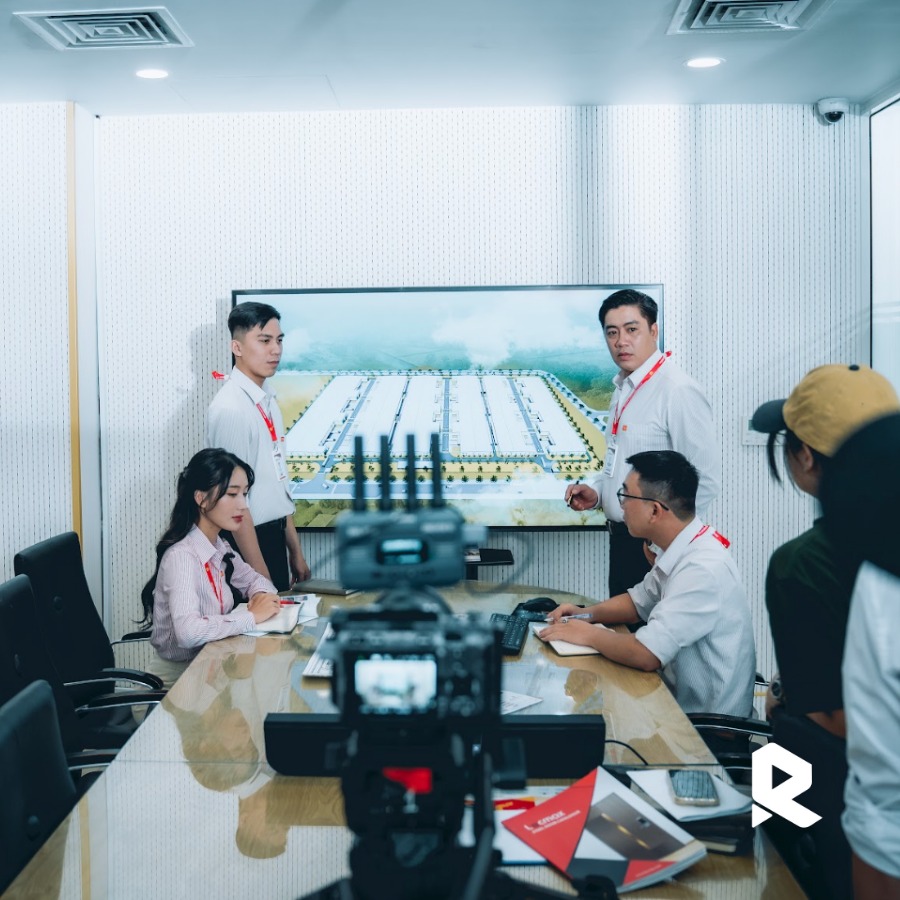
Right Media's workflow is always geared towards professionalism, ensuring that each step yields the best possible results.
Furthermore, for each project, Right Media always takes the time to discuss with clients to fully understand the product, message, and other video requirements. The professional filming process ensures that all necessary footage is captured with the best possible quality. RAW footage files are checked directly on set to avoid substandard videos that would require multiple retakes.
Right Media's video post-production team not only possesses solid knowledge and experience but also has a refined aesthetic sense regarding visuals and sound. They always know how to "breathe life" into each product, delivering vibrant and impressive footage. Videos will be sent to clients for review, evaluation, and adjustments at each stage to perfect the final product.
Footage plays a crucial role in video production for any purpose, determining the success of media or advertising projects. Therefore, you need to collaborate with professional and reputable video production companies like Right Media to ensure the highest quality original footage.