
Trade marketing is the activity of connecting manufacturers with distributors and retailers to accelerate product sales. Implementing the right trade marketing strategy helps businesses increase sales, easily reach consumers, and develop brand value.
What is Trade Marketing?
Trade marketing refers to marketing and sales activities, considered one of the crucial tasks in boosting a manufacturer's sales. Specifically, trade marketing, also known as commercial marketing, is essentially the process of pushing products from the manufacturer to distributors, retailers, and retail stores to reach consumers.
Instead of selling products directly to customers, manufacturers sell to intermediaries, collaborating with them to push products to the market. Once at the point of sale, the products are displayed and promoted to a wider audience, thereby boosting sales for the entire system.
The main activities of Trade Marketing include:
- Set up a product display.
- Organizing experiential events at points of sale attracts distributors.
- Create incentive programs, promotions, and discounts for product distribution partners.
- Use standees, signs, and posters to attract customers at the point of sale.
The marketing of products by manufacturers to retail outlets creates demand for the products, thereby giving them better access to consumers and increasing the likelihood of them choosing those products.
Advantages and Disadvantages of Trade Marketing
Trade marketing is a familiar marketing method that has been developing rapidly in recent times. Furthermore, creating a supply chain helps products sell better, therefore more and more people are interested in and want to participate in trade marketing campaigns of businesses.
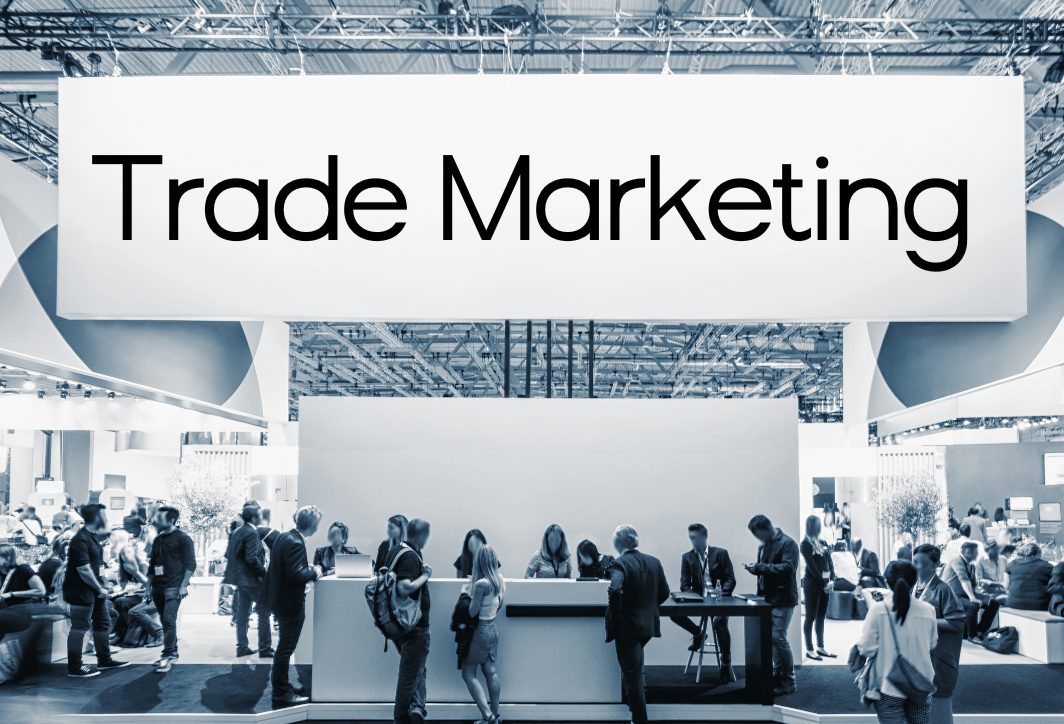
To help readers better understand this form of commercial marketing, here are its advantages and disadvantages:
Advantages of Trade Marketing
Trade marketing offers numerous benefits to businesses. Besides optimizing sales processes, this form of marketing also helps manufacturers build strong relationships with partners. More specifically:
- Trade marketing helps increase sales:
Point-of-sale marketing focuses on the point of sale, increasing consumer purchasing power through direct contact with the product. In addition, promotional programs attract attention and draw in more customers.
Combined with eye-catching product displays, customers can see and directly experience the products, thereby encouraging them to make purchases and increasing sales.
- Build strong relationships with distribution partners:
This is one of the advantages of Trade Marketing. Focusing on distributors helps manufacturers gain their support, and the company's products are given priority placement in convenient, easily visible locations in stores and supermarkets.
Building strong relationships with distribution partners also helps manufacturers reduce the costs associated with product display and promotion, while effectively increasing their competitiveness in the market.
- Increase brand awareness at the point of sale:
Trade marketing is effective in boosting sales for businesses, and it is also a crucial strategy for building and strengthening a brand. The company's products are displayed at points of sale, helping consumers remember and recognize the brand.
- Cost optimization:
This is one of the advantages of Trade Marketing. Trade marketing focuses on product distribution partners rather than the end customer. This allows businesses to optimize advertising costs, discount campaign costs, and other expenses.
With Trade Marketing, manufacturers can sell their products without spending a large budget; instead, they can focus on developing a network of distributors, allowing partners to market and sell their products.

Disadvantages of Trade Marketing
Despite the advantages mentioned above, Trade Marketing still has certain limitations. Specifically, these are:
- It requires higher costs if you want to implement it on a large scale:
This is one of the concerns of trade marketing professionals. If a business wants to expand its product distribution network, it must implement more product experience programs and offer incentives to partners to maintain and further develop the relationship.
The more distribution channels a business has, the larger its budget needs to allocate. However, the revenue generated is also substantial, so businesses must know how to manage and balance their campaigns to achieve success.
- Close cooperation from partners is necessary:
To ensure a product is widely known and easily sold, businesses must rely on their partners. This is where trade marketing professionals need to work closely together. A lack of connection between the manufacturer and distributors can lead to failed trade marketing, resulting in financial and time losses for both parties.
- Difficulty in measuring effectiveness:
Unlike direct-to-consumer sales campaigns, in e-commerce marketing, distributors act as intermediaries. This is especially problematic when products are sold at centralized retail locations, which can make it difficult to summarize and measure effectiveness.
Unlike when selling through digital marketing channels, tracking and measuring effectiveness is relatively easy. However, metrics like brand awareness and the impact of POSM (Point of Sale Materials) are difficult to assess accurately, making it challenging to optimize campaigns.
- Dependence on distributors:
Whether a product achieves high sales depends on the support provided by its main distributors. If they lack the ability to provide support or violate general guidelines, it can render the marketing campaign ineffective.
When implemented correctly, trade marketing is key to success for businesses in the consumer goods industry, helping products easily reach buyers and increasing brand value.
7+ Marketing Strategies for Tet 2025
Implementing an effective Trade Marketing strategy for the upcoming Tet holiday in 2025 will not only help businesses generate huge sales but also build sustainable relationships with distribution partners, strengthen brand image, and increase competitiveness. Here are some quick suggestions for trade marketing strategies that businesses can apply:
1. Display products that reflect the spirit of Tet (Vietnamese Lunar New Year).
Attract customers with stalls that reflect the spirit of Tet (Vietnamese Lunar New Year). Use traditional festive cultural elements such as peach blossoms, apricot blossoms, firecrackers, red envelopes, etc., to decorate shelves and display counters, creating a Tet atmosphere to attract consumers.
Choose prime locations in stores, supermarkets, shopping malls, etc., to display products so that customers can easily see them. Combine this with standees, posters, and price lists to attract attention.
2. Implement Tet gift-giving and promotional packages.
Stimulating demand by implementing promotional programs and offering "shocking" discounts during Tet (Lunar New Year) is one of the widely applied methods. Additionally, to build consumer trust and encourage product selection at the point of sale, attractive gift combos can be created.
When making a purchase, customers may be lucky enough to receive additional lucky money envelopes or other perks such as buy one get one free, limited-time discount vouchers, souvenirs with sentimental value, etc.

3. Multichannel point-of-sale marketing
Make a difference at the point of sale with banners, posters, giant Tet gift boxes, etc. Combine social media advertising and marketing on e-commerce platforms. Implement advertising at stores and supermarkets near the sales location so customers can directly visit, experience, and purchase products.
4. Exclusive promotional programs on e-commerce platforms.
Implement special offers for users shopping on e-commerce platforms. For example, free shipping vouchers, product discounts, free gifts with purchases, etc. Create extremely short-term sales periods to attract and encourage customers to buy products.
5. Organize product experience events at points of sale.
Organizing product trials at points of sale is also a way to attract consumer interest. Additionally, you can implement games or raffles at the point of sale to create an atmosphere of excitement, fun, and surprise for customers.
6. Collaborate with influential people.
Invite KOLs and influencers to retail locations to attract fans to watch. They may directly talk about the product, review how to use it, or share personal experiences related to the product to increase credibility and encourage viewers to make purchases.
In addition to directly interacting with fans at retail locations, celebrities can use their personal social media accounts to provide updates about products. This is a useful method to reach many potential customers, especially to stimulate their purchasing desires when they admire their idols.
7. Optimizing the distribution system and supply chain.
Ensure that products meet market demand in sufficient quantities. Businesses can anticipate purchasing power during Tet (Lunar New Year) to prepare sufficient stock, avoiding shortages during peak shopping periods. Increase inventory at retail outlets, especially in densely populated areas.
Effective inventory management and warehouse distribution are crucial to avoid product shortages at sales locations. This prevents situations where customers have a need but the product is unavailable, leading them to change their purchasing decisions.
8. Make good use of online ordering apps.
Implement product promotion campaigns, loyalty point vouchers, and discount promotions on e-commerce platforms to stimulate online shopping demand among consumers. Use QR codes at points of sale to allow customers easy access to and further information about products.
The above information provides basic details about Trade Marketing and suggestions for implementing a trade marketing strategy during the 2025 Tet holiday season. Developing a plan and executing it correctly will help businesses achieve high sales during the peak shopping season, while also building a strong brand image and effectively connecting businesses with distributors and retailers.