Using video in online teaching has become a current trend, offering many benefits to both teachers and students. Students can absorb lessons and grasp knowledge more easily through video lectures with vivid images and sound.
The benefits of video in online teaching.
Currently, teaching in schools and online teaching have undergone many positive changes alongside the development of digital technology. In particular, online teaching is becoming an increasingly popular trend due to its convenience and effectiveness. The application of video lectures helps students access knowledge in a more accessible and understandable way.
The power of video in online eLearning is increasingly being affirmed through the achievements of students after their learning process. The combination of realistic and clear audio and visuals helps learners access knowledge more easily than traditional lectures.
Let's look at the benefits of using video in online teaching, such as:
- Creates a vivid and engaging visual experience: Videos present complex concepts with realistic illustrations, making them easier for learners to understand. Instead of traditional teaching methods that require learners to visualize the lesson content, videos help to simulate definitions and functions in a more intuitive way.
- Create interest, attract attention: Besides realistic visuals, video lectures also feature lively sound, which helps engage learners and prevents boredom, fatigue, and loss of focus during online learning.
- Personalize the learning process: Learners using video can adjust the lecture speed to suit their own pace. Additionally, if they encounter any problems during the lesson, they can pause the video or fast-forward/rewind to catch up on the material.
These are the most obvious benefits of online video lecturing, making it a powerful tool in teaching, improving efficiency and providing an engaging learning experience for students.

Why do eLearning videos help learners remember information more easily?
Video in online teaching offers many benefits for both teachers and students. Specifically for students, video content can help them remember lectures more easily. Here are some reasons why online video lectures can achieve this:
- Multimedia combination: In addition to traditional lectures, learners through video can also hear vivid sounds and observe realistic images. This stimulates their senses and helps the brain improve its memory capacity.
- Provide realistic context: The real-life scenarios described in the videos allow learners to connect the knowledge they have learned with real-life situations. This will help students remember information, data, concepts, etc., for longer periods and apply them more easily to their lives.
- Facilitate reviewing the lesson: Learners can easily review the video lecture if they don't fully understand the topic. This is a major advantage of video in online teaching.
The aforementioned outstanding benefits demonstrate that video is gradually becoming a popular online teaching tool for many schools, language centers, vocational training centers, etc. Compared to traditional methods, video has proven its role and advantages through its dynamism, attractiveness, and flexibility in the teaching and learning process.
Methods for effectively applying video to online teaching.
To make videos highly effective in online teaching, it's essential to know how to use them appropriately. Here are a few commonly used methods:
- Use animated lessons: Instead of traditional lectures, teachers can use animated images and diagrams to explain complex concepts. Animated videos can make lessons more engaging and fun, preventing boredom and facilitating easier learning.
- Use interactive videos: Videos allow learners to directly participate in the learning process, including interacting by answering questions, choosing answers, raising concerns, etc. Learners can actively build the lesson instead of just passively listening to lectures.
- Simulation methods and practical guidance: For lectures that apply knowledge to practice, videos with realistic and easy-to-understand simulations will help students absorb knowledge better, while also enabling them to apply that knowledge correctly and appropriately.
- Video interview with the expert: This is one of the most popular methods of applying online video pedagogy. Interviews and sharing from industry experts help learners gain a more multifaceted and practical perspective on the subject being studied. In addition, they have the opportunity to listen to useful insights from experts, creating motivation to help them learn effectively.
Choosing video formats that match the lecture content creates a positive feeling for learners, who tend to become more diligent and focused.
The flexibility and convenience of video in online teaching.
In addition to the issues mentioned above, the use of video in online teaching also has the advantage of flexibility and convenience. Specifically:
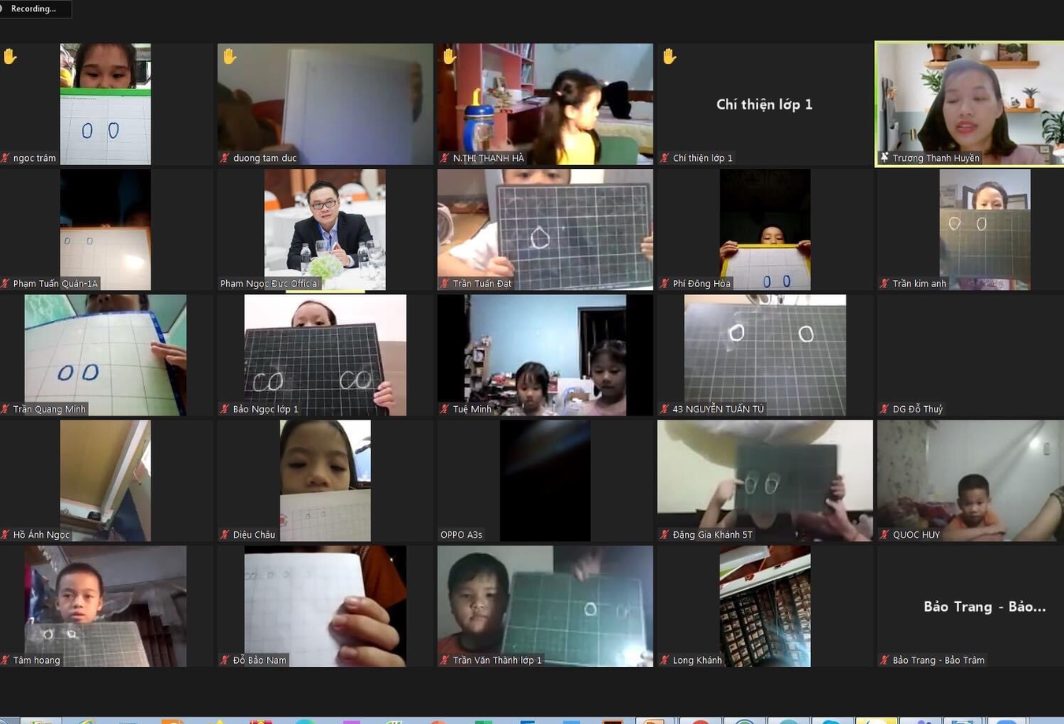
- Learn anytime, anywhere: Learners can access lectures from anywhere, on any internet-connected smart application. This facilitates students in catching up and not missing out on knowledge, unlike traditional learning methods where missing a lesson means missing out on a whole area of knowledge.
- Adjust your learning pace: Learners can proactively adjust the video speed according to their learning pace. This is one of the advantages that helps video in online teaching increasingly assert its strength compared to traditional teaching methods.
- Save both time and money: Videos are streamed through internet-connected devices, allowing learners to study anywhere and saving travel time. In addition, the cost of the course is optimized, making knowledge accessible to everyone.
All of these factors have helped make video the top choice for modern eLearning programs.
Trends in video development for online teaching.
With the increasingly advanced development of science and technology, video in online teaching has also undergone many modern innovations. Especially noteworthy are digital applications such as:
- 360-degree video and virtual reality (VR): The application of 360-degree and VR technology enhances the learning experience for viewers. Lecture videos become more realistic and immersive, increasing comprehension and fostering greater interest in learning. Suitable fields include medicine, engineering, tourism, architecture, and more.
- Short videos (Microlearning): Short videos, ranging from 3-5 minutes, provide information quickly and effectively, are less tedious than longer videos, and are suitable for busy people with limited time. However, short videos must ensure that the content is complete and the lesson design is as concise as possible to avoid hindering the learner's comprehension.
- Live Streaming Video: This is a popular trend in online teaching today. Teachers will stream live on various platforms, allowing students who are far away to still grasp the material.
These trends are helping eLearning become increasingly flexible, engaging, and effective, meeting the diverse learning needs of users.
In summary, video in online teaching (eLearning) has become a useful tool for both teachers and students. Videos convey knowledge in a vivid and visual way, helping learners remember and apply knowledge effectively. Thanks to its flexibility and convenience, video has become an indispensable tool in modern eLearning programs, promising many improvements and strong development in the future.