
OOH and DOOH are two widely used brand promotion tools. You can find them on the street, outside a shopping mall, or on large buildings, etc. Although both are forms of outdoor marketing, OOH and DOOH have differences in technology, content, and flexibility. The article below... Right Media This will help readers distinguish between these two forms of advertising.
Define OOH and DOOH
What is OOH?
OOH stands for Out-Of-Home, a term used in the media and advertising industry to refer to outdoor advertising. Consumers can access information about a brand's products and services not on TV, but on billboards, large screens, etc., placed in public areas.
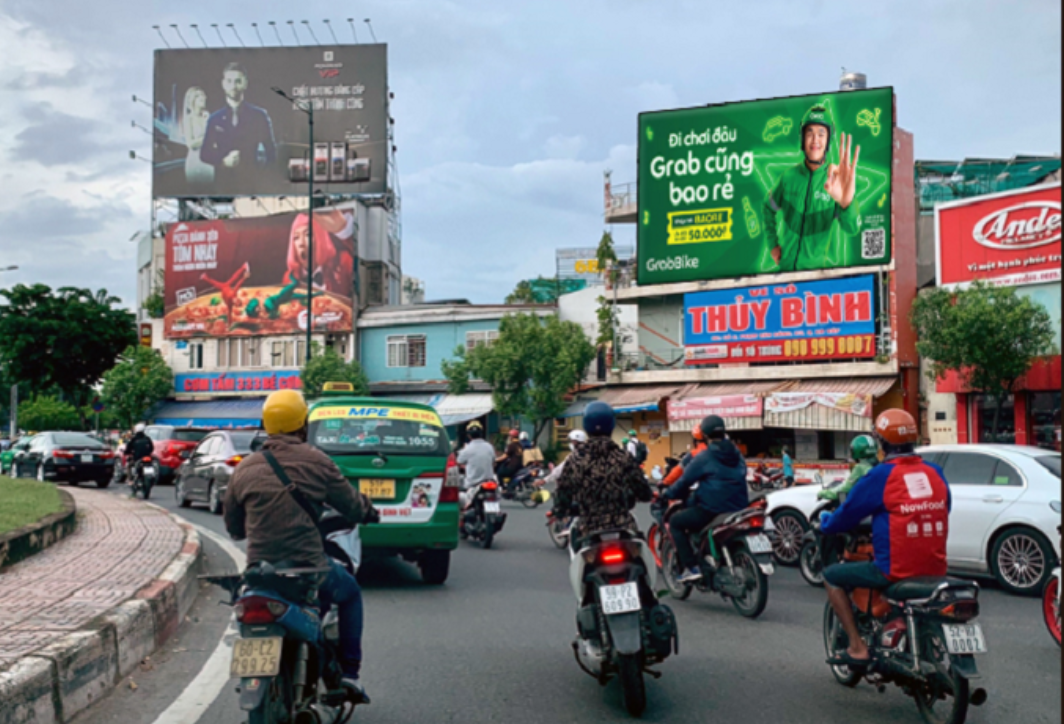
OOH (Out-of-Home) advertising has been around for a long time, and this traditional form of marketing is still widely used today. You can see billboards everywhere and easily remember brand information. However, in advertising, the information is static; the message, images, slogan, etc., do not change until the brand launches a new marketing campaign.
What is DOOH?
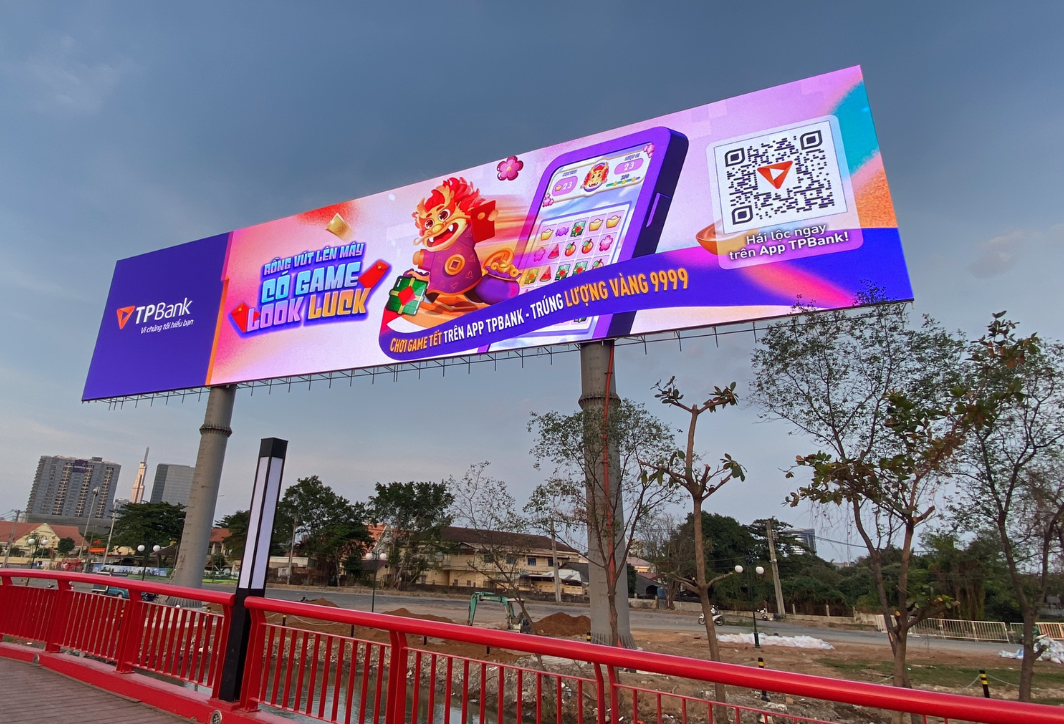
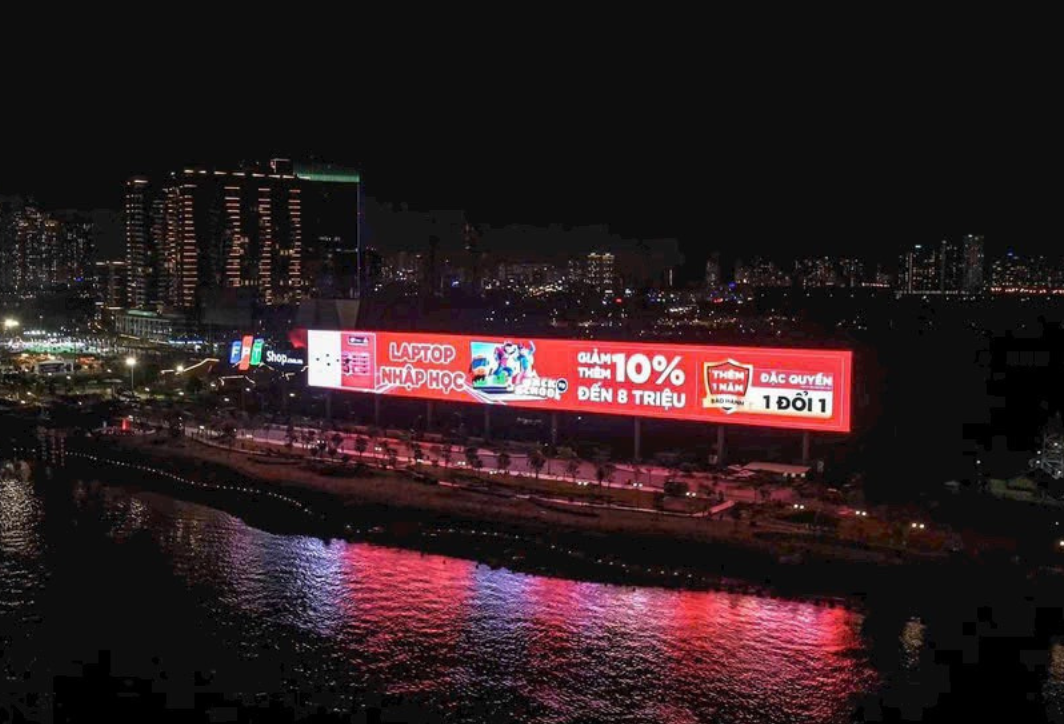
DOOH stands for Digital Out-Of-Home, a form of outdoor digital advertising. Similar to OOH, DOOH is designed to make brand information easily accessible to viewers. These billboards, placed outside large buildings, bus stations, and public spaces, utilize LED or LCD screens to deliver messages in a vivid and engaging way.
Unlike OOH, DOOH is a form of marketing that uses movement, with characters and content changing dynamically, and even allowing viewers to easily interact with the advertisement. DOOH is widely used in brand marketing campaigns, event promotion, business activities, and many other useful applications.
Distinguishing between OOH and DOOH
OOH and DOOH share many similarities, but they also have distinct characteristics that differentiate them. Specifically, these are:
Similarities:
- Outdoor marketing: Both forms of outdoor marketing reach users even while they are on the go, not in their everyday living spaces. This is the most easily recognizable similarity between OOH and DOOH.
- Crowded location: The locations for these advertisements are similar, all being places with high foot traffic, allowing for widespread brand promotion. Common areas for OOH and DOOH advertising include highways, city centers, shopping malls, and intersections, among others.
- Easy to access: Both OOH and DOOH help to grab the viewer's attention, making it easier for brands to reach and become memorable despite only a short exposure time.
The difference:
- Regarding technology: OOH (Out-of-Home) advertising uses traditional technologies such as static billboards, printed materials, and artwork. DOOH (Double Out-of-Home) advertising, on the other hand, is more modern and utilizes digital technologies such as LED, LCD, or other electronic displays.
- Regarding the content: These two forms of advertising differ in content; one is static, the other is dynamic. Specifically, OOH (Out-of-Home) advertising only broadcasts static advertisements through pre-printed posters and billboards, without any changes or movement throughout the campaign. Meanwhile, DOOH (Out-of-Home) advertising, while also outdoor advertising, features dynamic and ever-changing content. Because images are displayed on LED and LCD screens, characters move, and the visuals and sound also change accordingly.
- Regarding interactivity: OOH advertising is static and therefore lacks the interactivity of DOOH. Some screens incorporate sensors that allow users to interact with the advertisement directly through a simple click, a feature that DOOH offers viewers, making the advertisement more engaging and memorable.
- Regarding measurability: Measuring the effectiveness of OOH advertising campaigns is relatively difficult and lacks accuracy. Conversely, DOOH advertising is easier to measure thanks to modern technologies.
- Regarding implementation costs: The cost of an OOH campaign is usually lower than a DOOH campaign, as it only requires printing, then renting a location and installing the equipment. Meanwhile, DOOH campaigns require modern LED and LCD screens and digital technology, resulting in higher costs.
In short, you can easily distinguish between OOH and DOOH advertising. One type is static advertising, with images and content that don't change, while the other is dynamic advertising with vivid, sharp characters, images, and colors, and the ability to move flexibly.
Using OOH and DOOH advertising effectively
Using OOH and DOOH advertising helps promote brands widely and expand the reach to potential customers. However, for the communication campaign to be most effective, businesses need to focus on objectives, identify the target audience, advertising locations, and the message to be conveyed.
Specifically, here are the key factors that help OOH and DOOH advertising campaigns achieve the desired results:
Using OOH advertising effectively
Define campaign objectives:
- For long-term goals: OOH advertising campaigns are implemented over a long period. Static advertisements are placed in easily visible locations with high foot traffic, such as intersections, highways, amusement parks, and shopping malls. Frequent viewing of the billboards helps viewers remember the brand image.
- For location-specific advertising: OOH (Out-of-Home) advertising, used in in-store or event campaigns, helps increase brand awareness. Examples include using static ads at newly opened stores, introducing new products at bus stops near the store, etc.
Choose a suitable location:
- Places with high foot traffic: Place OOH advertisements in high-traffic areas such as highways, airports, and city centers so they can be seen by people.
- Advertising at train stations and bus stops: People often stop at these locations to wait for a ride for a certain period of time, during which they can see your advertisement.
Create creative content with a clear message:
- Prioritize brevity and conciseness: Choosing the right message and creating creative content while ensuring it's concise and to the point helps viewers easily understand and remember the brand's information.
- Choose a prominent and large image: This will be the first thing that catches the eye when looking at a static billboard. Therefore, brands should pay attention to this, choosing images and colors that are appropriate, harmonious, and easily recognizable from various angles. Avoid choosing complex or confusing images, as this will reduce advertising effectiveness.
Multi-channel coordination:
In addition to using OOH (Out-of-Home) advertising, businesses should expand their brand advertising across other media channels and social networks to increase reach and enhance the influence of their brand identity.
Using DOOH advertising effectively
Define flexible campaign goals:
- Real-time advertising: DOOH is suitable for advertising campaigns that require content to change according to trends and closely reflect real-time events. Examples include seasonal advertising, promotional campaigns, and monthly offers.
- Increase interaction and stimulate purchasing demand: DOOH is a flexible form of outdoor advertising that allows users to interact through technology applications, QR code scanning, or direct connection with mobile devices. This is a good method to stimulate purchasing among viewers who accidentally see the advertisement.
Choose where to place your digital ads:
- Area with high foot traffic: Similar to OOH, DOOH is also placed in high-traffic, easily visible locations. Examples include shopping malls, train stations, and public squares.
- Choose a location with high interaction: Place interactive ads in easily accessible locations such as bus stops, airports, train stations, etc.
Create engaging and creative content:
- Use animations and videos: DOOH (Double On-Demand) displays on large screens with vivid images and attractive colors, making it difficult for viewers to look away and boosting the effectiveness of advertising campaigns.
- Personalized content in real time: Thanks to fast network connectivity, users have a better experience with DOOH advertisements. For example, a large advertising screen appearing on a sunny beach, showing images and videos about sunscreen.
Integrating data and measuring effectiveness:
Optimize data and advertising costs with the flexible adaptability of DOOH. Advertisers can save on traditional printing and installation fees. When changes to advertising are needed, simply update the content on the LED or LCD screen without the hassle of dismantling and reinstalling.
Combining OOH and DOOH
Besides being used separately, OOH and DOOH are also combined to enhance advertising effectiveness. However, businesses need to understand the strengths and weaknesses of both forms to make the right decisions and drive the most effective communication campaigns. Here are some suggestions for combining OOH and DOOH:
- Create multi-media, multi-platform advertising campaigns.
- Use OOH (Out-of-Home) for the initial stage, drawing customer attention to the brand. Then, use DOOH (Double Out-of-Home) to stimulate their desire to purchase or experience the service.
- Leverage the flexible time settings of DOOH to enhance OOH.
- Combine real-life interaction with digital interaction capabilities to enhance communication effectiveness.
- Optimize costs and improve measurability by combining OOH and DOOH effectively.
OOH and DOOH are two widely used forms of outdoor marketing. When combined effectively, businesses can create a powerful synergy, increasing brand awareness and reach. By using both forms simultaneously, businesses can reach a large number of potential customers while optimizing content and measuring effectiveness in real time.