
Professional cameramen don't simply hold a camera and press the record button; they also require technical skill in camera movements and knowing how to position the camera to capture the right perspective. Unsteady shots, blind spots, or insufficient lighting can all reduce the quality of the resulting video. Understanding and correctly applying common camera movements during filming will help create polished, pleasing, and more cinematic videos.
What is camera movement?
Camera movement refers to how the camera is rotated, moved up and down, or its position is changed during filming. Each movement serves a specific purpose, such as introducing the setting, tracking a character, changing the setting, emphasizing the subject, or creating a special visual effect.
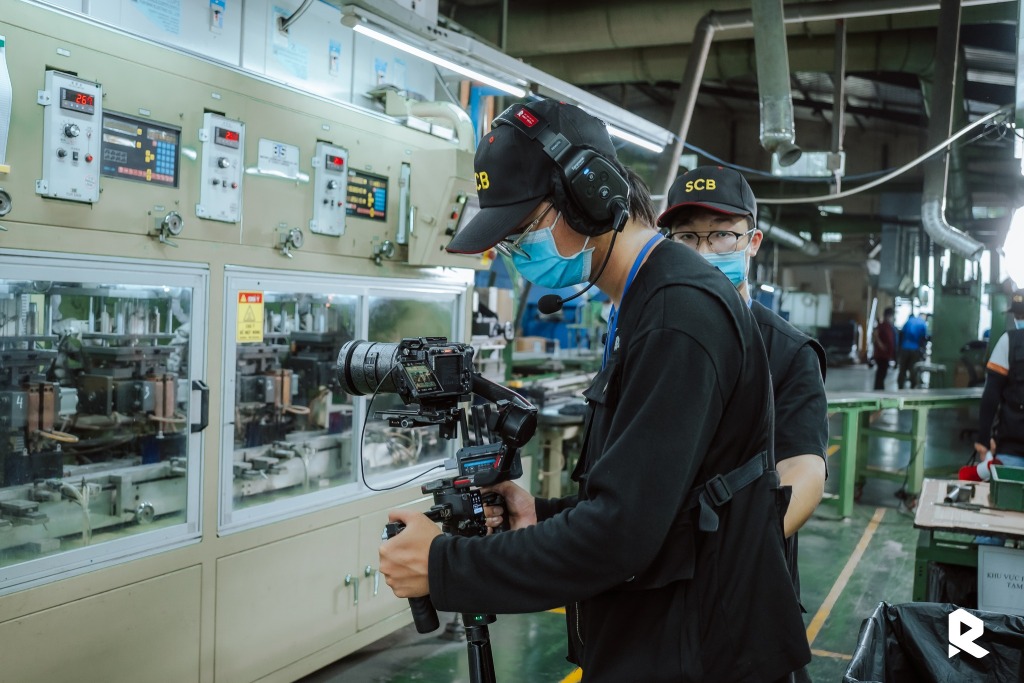
Each camera movement has the potential to create footage with a completely different emotion.
A well-timed and precise camera movement can replace dialogue, guide emotions, and help viewers understand the story more deeply. Any professional film or scene is meticulously planned by the director and cameraman regarding camera movement to enhance video quality, minimize shaking and noise, and accurately reflect the script's intent. This makes it easier to edit or add other special effects during post-production.
Basic camera movements in filmmaking
Each upward/downward movement, left/right panning, close-up/far-angle shot is not simply a matter of doing it haphazardly, but requires specific technique and formal training. When combined with other elements... camera angles in filmmaking This will create a "storytelling language" through images. When used correctly, camera movement will help make the film more lively, emotional, and professional, while also enhancing the viewer's experience.
Pan – Rotate horizontally
Panning is the action of rotating the camera to the left or right along a fixed axis. The camera's position remains unchanged; only the lens's line of sight moves horizontally. This action is often used when filming large spaces, areas with many subjects, or to ensure the subject remains in the frame as it moves horizontally.
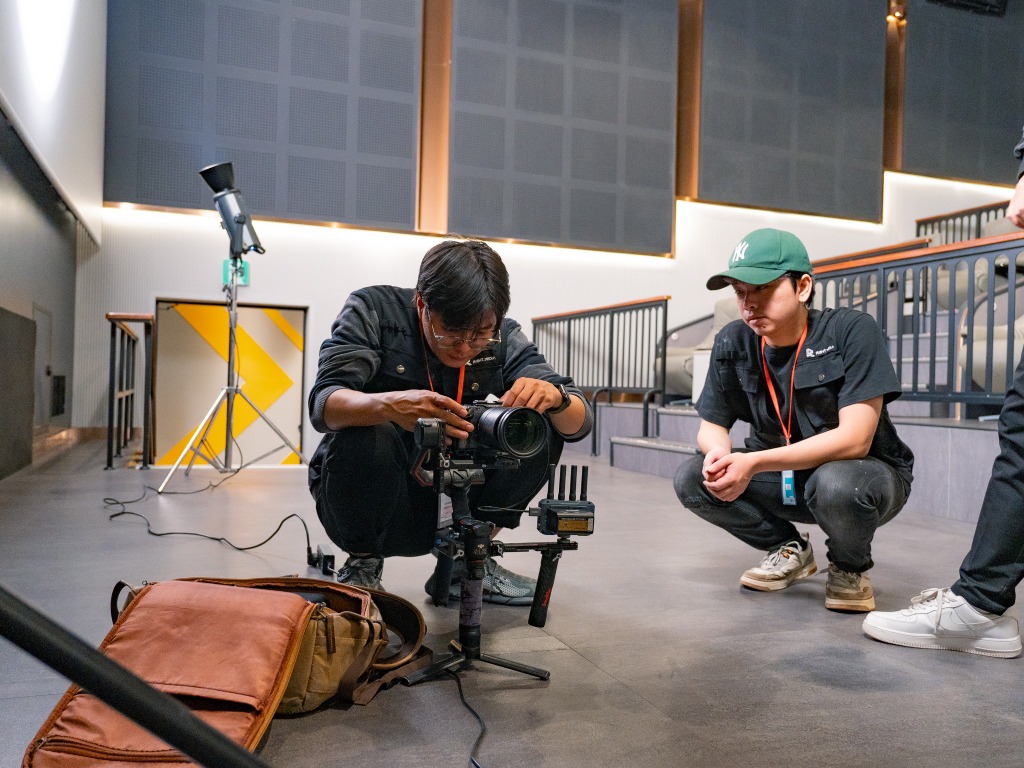
With the panning motion, the machine will lock its position, only rotating the axis to the left or right.
The panning motion mimics how humans turn their heads to observe their surroundings, making it one of the most natural and common camera movements in filmmaking. This motion requires a tripod to ensure the camera stays in place and doesn't move after filming.
Tilt – Rotate vertically
In contrast to panning, tilting is the action of rotating the camera up or down along its vertical axis, where the camera position remains fixed, only changing the viewing angle of the lens. Tilting is usually performed using a tripod with a ball head or a 3-way pan-tilt head to ensure smooth and precise movement.
With this shooting direction, tilt is often applied to shots that need to show a large, high-angle perspective, such as high-rise architecture, or shooting a person from above to emphasize the sense of scale. Additionally, it creates a connection between small details and the overall scene, a contrast between the person and the natural world, thereby giving the frame more depth.
Dolly in/out (rotates forward/backward)
Dolly is the action of moving the entire camera forward or backward during filming. This action creates a real change in space, giving the image depth and a distinct cinematic feel. This type of filming requires additional support equipment such as dolly tracks, camera carts, gimbals, and steadicams to ensure smooth movement and prevent shaky footage.
Dolly-in (moving closer) shots aim to create a greater focus on the subject, highlighting the climax, especially when emphasizing the subject's expression. Dolly-out, on the other hand, creates a sense of solitude and distance, expanding the frame to transition or conclude the scene.
Truck (Moving sideways)
Truck, also known as horizontal tracking, involves moving the entire camera to the left or right, parallel to the subject, while maintaining the camera's orientation. This movement is completely different from panning (rotating the camera in place). Trucking is the physical movement of the camera in space. Therefore, this movement also requires supporting props such as long sliders, dolly tracks, camera carts, and gimbals.
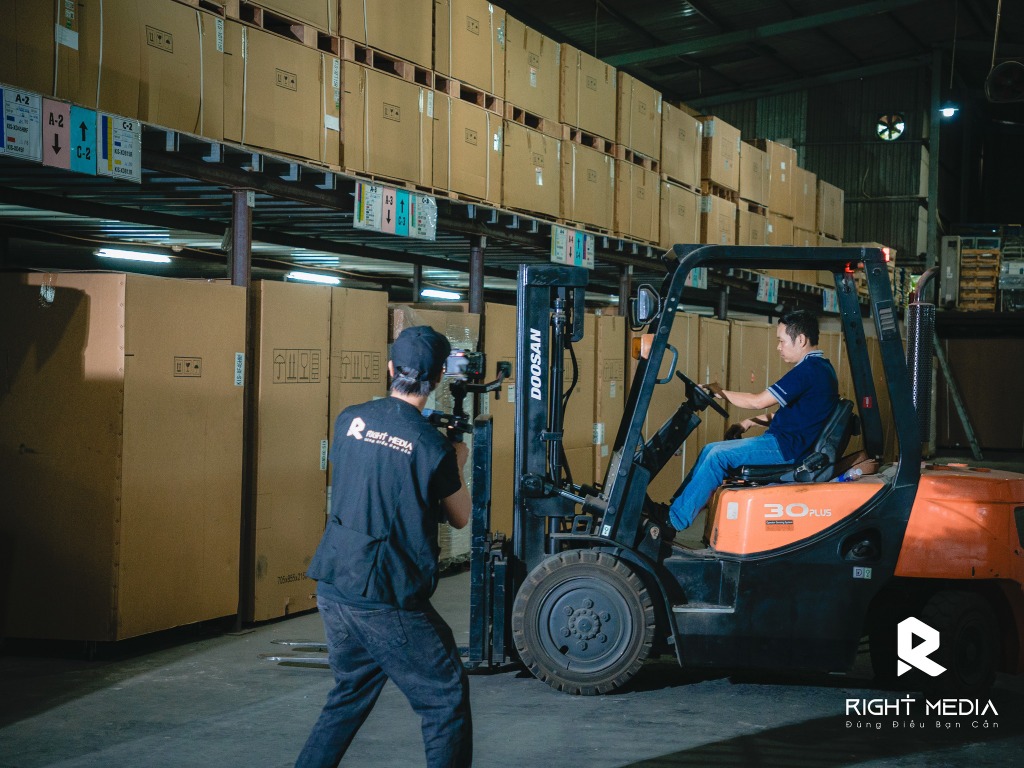
Truck is a horizontal movement parallel to the subject.
This filming technique is often used in scenes with a lot of movement to capture multiple consecutive actions, ensuring continuity in time and space while keeping the subject in the frame. Viewers will feel as if they are directly accompanying the character, and their emotions will easily erupt and be drawn into the main subject.
Whip Pan (Fast panning)
Whip panning is a type of extremely rapid horizontal panning to the left or right, creating motion blur within the frame. Instead of allowing the audience to see the image clearly during filming, whip panning intentionally blurs the image to create a transition effect or emphasize a particular moment. In cinematic language, whip panning is considered a stylistic movement, not used universally but appearing when a distinct rhythm or visual impact is needed.
In reality, the use of fast-paced motion isn't very common because it requires a high level of technical skill to ensure the director's intentions are met. A fast-paced shot becomes completely meaningless if the speed or blur of the image isn't properly calculated.
Zoom in/out
Zoom is perhaps one of the easiest-to-understand terms in video recording, and almost everyone has used it on recording devices like phones or handheld cameras. Simply put, zooming changes the focal length of the lens, enlarging (zooming in) or reducing (zooming out), but the camera's position remains fixed and doesn't move with the subject.

Zooming allows you to get closer or farther to a subject without moving the camera.
In professional filming, this operation is carefully calculated, from zoom speed to zoom range. Changing the focal length can reduce image quality, not to mention that rushing it can distort the subject, deviate from the script's intent, or make the space feel unnatural.
Orbit Shot
An orbit shot is a camera movement that involves the camera moving in a circle around the subject, while the subject remains still or moves very little. The camera can rotate 360° or a partial circle, creating a sense of space surrounding the character. You can see this filming technique more often in music videos to place the subject at the center, allowing the audience to focus entirely on the character's emotions and state of mind.
The filming process also requires supporting rail equipment to ensure smooth and seamless movement. In cinematic terms, Orbit Shot creates the feeling that the entire world revolves around the main character and is used in segments where the character needs to make important decisions, confront challenges, or escalate psychological tension.
Roll (Rotate the lens axis)
Roll (lens rotation) is a rather unique shooting motion because only the camera rotates along its own vertical axis, causing the frame to tilt or flip, while the camera position remains unchanged. This movement directly affects the image's balance, making the viewer perceive a noticeable imbalance.
In visual language, roll is used to create a sense of disorientation, chaos, or to emphasize a character's psychological instability, often used in films to create special effects or depict a state of unease. However, roll also requires careful consideration of speed, camera angle, lighting, and composition to convey the script's intent. Psychological dramas, horror films, and action films often utilize this shooting technique.
These are the necessary tools to help the camera move more accurately.
In professional filmmaking, camera movement depends not only on the cinematographer's skill but also heavily on motion capture equipment. Using the right equipment ensures stable, smooth, and synchronized camera movements, minimizing shaking and blurring that can lead to poor-quality footage and difficulties in post-production.

Sliders and tripods are essential props that help to make filming movements more precise.
Some important equipment that helps to make camera movements more precise includes:
- Tripod: Keeping the camera steady helps to perform precise pan and tilt movements, minimizing shaking in static scenes.
- Fluid Head: Supports smooth and consistent pan-tilt rotation thanks to its oil-based mechanism, allowing for better control of movement speed.
- Gimbal (Electronic Stabilizer)Electronic image stabilization helps keep the camera stable while moving, suitable for tracking shots, orbit shots, and follow shots.
- Steadicam (mechanical anti-vibration): Stabilizes the camera using a mechanical mechanism, creating natural and cinematic movement for long, continuous shots.
- Slider: Creating short, subtle movements adds depth to the frame and enhances the cinematic quality of static scenes.
- Crane and jibSupports raising and lowering the camera along the vertical axis, creating a wide, spectacular, and emotionally rich cinematic perspective.
- Dolly track: Allows the camera to move forward, backward, or sideways with high precision, resulting in smooth, consistent, and straight motion.
Understanding the characteristics and uses of each camera movement will help the cinematographer be more proactive in the filming process. Combining skill, equipment, and compositional thinking is key to creating accurate, professional shots with depth, as well as fulfilling the intentions of the script.




 English
  Vietnamese