

Every brand has its own unique story behind its journey of formation and development. This isn't just about business milestones, but also about the reasons for starting, the values pursued, and the mark the business wants to leave on the market. Therefore, building a well-structured Brand Story is increasingly becoming a crucial factor in helping brands create emotional connections and leave a lasting impression on customers.
What is a brand story?
A brand story is a concept that is both familiar and unfamiliar, but almost everyone has heard of it at least once. It could be a story about why a business was founded, what goals it pursues, or what challenges it has overcome on its journey to development up to the present time. That is a brand story.

Brand Story is how each brand tells its journey of development in an authentic, relatable, and inspiring way.
More specifically, a brand story is how a business recounts its journey, its reason for existence, its core values, and its mission to create an emotional connection with customers. It's not just an introduction to the business, but the "soul" that makes the brand unique, memorable, and trustworthy in the eyes of the market.
Brand stories are typically narratives, emotions, and goals built from the brand's real journey, making them easily relatable to customers. When told authentically and consistently, these stories not only build brand trust but also lay the foundation for long-term engagement with consumers.
Why should businesses create a brand story?
An effective brand story helps customers understand why the brand exists, what makes it different, and the value the business brings to the community. When well-developed, a brand story increases brand recall, builds trust, and drives purchasing decisions.
For example, Cocoon's brand story revolves around the journey of building a vegan cosmetics brand "Made in Vietnam," utilizing familiar ingredients from Vietnamese nature such as Dak Lak coffee and winter melon. The brand pursues a philosophy of no animal testing and developing environmentally friendly products. Thanks to its clear positioning and humane message, Cocoon quickly gained favor with the beauty community, especially the younger generation interested in sustainable living.
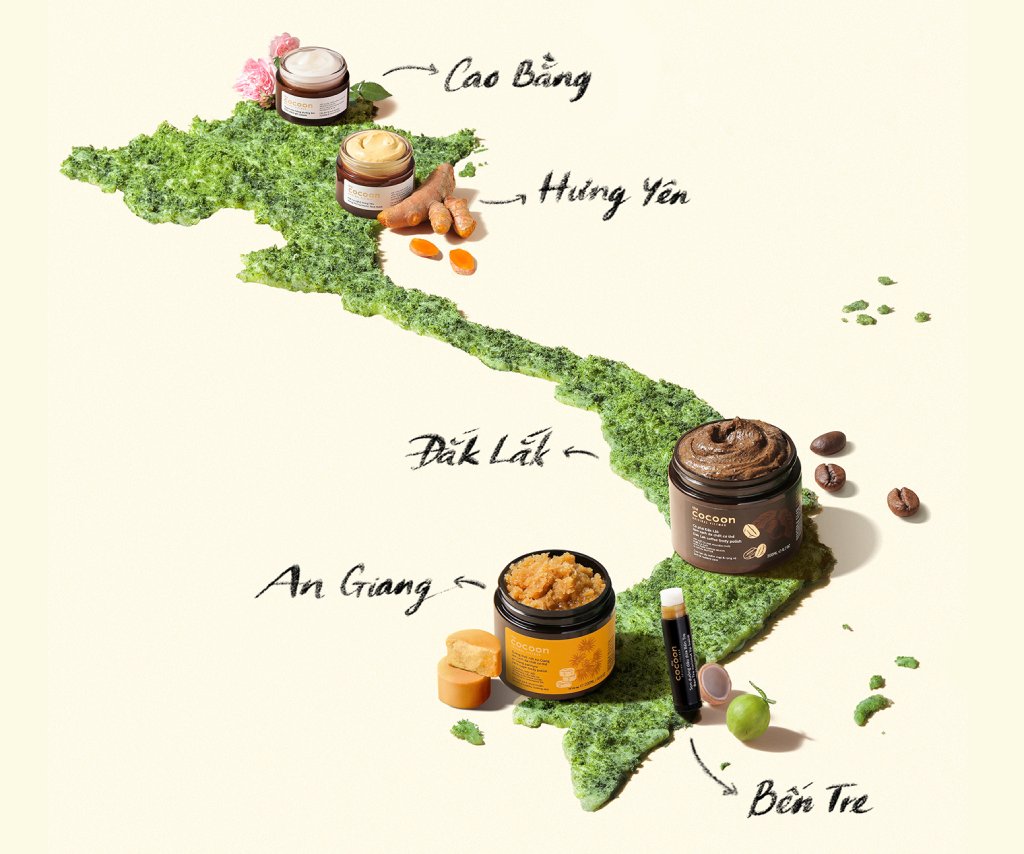
Cocoon's brand story resonated with customers from the very beginning.
Help the brand become more approachable.
Brand stories often bring emotion and human elements into a brand, making businesses feel closer, like listening to a friend's story. When customers understand the value and the journey behind the brand, they are more likely to empathize and remember it for longer.
Creating differentiation in a competitive market.
Many businesses may sell the same product, offer the same price, and operate in the same location, but they can never share the same Brand Story. This is because brand stories are often personal to the founders and cannot be copied or duplicated. A clear and consistent Brand Story gives a business its own unique identity, allowing it to stand out from the competition.
For example, with the Phe La bubble tea brand, the brand story is closely linked to a journey of honoring Vietnamese agricultural products, especially tea from the highlands. Phe La focuses on telling the story of the origin of its ingredients, the selection process, and the spirit of "local pride." Thanks to this clear direction, the brand quickly created a distinctive mark in the F&B market and built a loyal customer base.
Increase customer trust and goodwill.
Today's customers buy not just products, but also "trust." When a brand story is transparent, authentic, and valuable, businesses can build natural goodwill and shorten the customer persuasion process.
A prime example is Cathy's dragon fruit instant noodles. The product's brand story stems from the reality in their hometown, Phan Thiet, a region known for dragon fruit cultivation but facing difficulties in selling and low prices. Based on this problem, the company researched and incorporated dragon fruit into instant noodle production as a solution to both enhance the value of agricultural products and support farmers' sales. Thanks to its humane message and innovative idea, the product quickly attracted attention and gained favor with a wide range of customers, especially those from farming families.
Strong support for marketing, PR, and long-term brand building.
A brand story is the overarching content foundation for websites, corporate videos, social media, and marketing campaigns. With a clear story, all marketing activities become more synchronized, helping the brand achieve sustainable growth rather than just short-term expansion.
How to build an effective Brand Story
For a brand story to truly resonate with customers, businesses need to strategically build it rather than tell it emotionally. Many people think that only business owners create brand stories, but in reality, it's not just the founders and staff, but also the customers themselves who act as catalysts for brands to write meaningful and emotionally resonant brand stories.

To write an effective brand story, it's essential to clearly define the core values and goals throughout the brand's creation and development journey.
Identify the reasons behind the brand's creation.
Start by asking: why was the business founded and what problem does it want to solve for the market? This is the emotional "root" that gives the story depth and prevents it from sounding cliché. Don't try to make the story overly sophisticated; instead, try to present something as relatable, genuine, and natural as possible.
For example, Biti's brand story is closely linked to the journey of a Vietnamese enterprise persistently pursuing quality and the spirit of "cherishing Vietnamese feet." From a small production facility, Biti's has gradually expanded its scale, focusing on durability and suitability for Vietnamese people to build a reputation in the domestic market.
Clarify core values and mission.
Core values represent the long-term commitment a brand pursues, while the mission answers the question of who the brand serves and how, and what kind of customer experience it will provide. When these two elements are clearly defined, the Brand Story becomes more credible and has a stronger strategic foundation.
Building a development roadmap
A story with a climax and turning points is always easier to remember than dry data. Clearly dividing it into stages such as the beginning, the challenges leading to the transformation phase, and "flexing" the achievements will help the Brand Story have a natural "narrative rhythm" and increase its persuasiveness.
Continuing the story of Biti's, this brand was once "almost" forgotten due to its failure to keep up with fashion trends and its outdated style, despite its high price and durability. The brand's major turning point came with the launch of the Biti's Hunter line, marking a rejuvenation of its image and a strong engagement with Generation Z through modern marketing campaigns. This is part of a very inspiring brand story that resonates with customers.
Putting the customer at the center
An effective brand story doesn't position the business as a "superior" or "heroic" entity, but rather places the customer at the center of change. When a brand clearly demonstrates how it helps customers solve problems and why they need that solution, the story becomes more persuasive and relevant. This approach allows viewers to easily "see themselves in the story," thereby increasing empathy and conversion potential.
Maintain an authentic and consistent narrative voice.
Consistency helps brands build lasting emotional recognition in the minds of customers. If each channel tells a different story or the message changes constantly, the brand story will become diluted and lose credibility over time. On the other hand, authenticity is the key element that needs to be highlighted throughout the brand story.
Released on various platforms
For a brand story to truly resonate with customers, businesses can't just leave content as text on their website. Transforming the Brand Story into suitable storytelling formats and distributing it across media, TikTok, Facebook, etc., will help the message spread naturally, increasing reach and memorability in customers' minds.
Some things to keep in mind when writing a brand story.
Brand stories can be considered a form of brand "content" because they both aim to sell products and get closer to customers and partners. The basic structure of a brand story revolves around key elements such as the context and history of the company; its mission and vision; its achievements; and personal stories from the founder, partners, customers, etc.

A brand story will make a deeper impression when it inspires the reader.
Therefore, when writing a Brand Story, it's important to consider the following points to make the story more engaging and meaningful:
- Inspire the reader.A brand story should evoke positive emotions or motivate change, rather than simply providing information. A well-inspiring brand story will make readers want to follow, share, and engage with the brand in the long term.
- Consistent with the brand's Big IdeaEvery detail in the story needs to revolve around the overarching idea that the brand pursues. This consistency helps prevent the Brand Story from becoming disjointed and contributes to strengthening the brand's positioning in the customer's mind.
- Maintain a genuine spirit.Authenticity is always a crucial foundation for building trust. Businesses should prioritize factual details and avoid exaggeration that makes the story seem like an advertisement.
- The writing style is natural and true to the brand's identity.Choose a natural, sincere storytelling style, perhaps with a touch of humor to create a positive impression. Avoid overly exaggerated or dry language so that the story remains serious but easily accessible.
- Focus on one main message: Don't try to cram too many ideas into one story. An effective brand story usually revolves around a single core message that customers can easily remember and repeat.
- Avoid rambling or being overly detailed: Many brands get bogged down in history or internal achievements, causing the story to lose its rhythm. Prioritize details that have emotional value and are directly relevant to the customer.
- There is visual evidence or factual proof: If possible, include images, videos, data, or real-life cases to increase credibility. A brand story with concrete evidence is far more persuasive than one told only through words.
A brand story isn't a one-time thing to write. As a business enters a new phase, launches a new product, or repositions itself, the story should be updated to accurately reflect the current brand image. However, it's crucial to maintain the core spirit and direction established by the business from the beginning. This ensures the brand story continues seamlessly over time without losing its original identity.
A brand story is not just a narrative to tell, but also an emotional foundation that helps a brand make a distinctive mark in the market. When built systematically, authentically, and consistently, a brand story becomes an "intangible asset" that helps businesses connect more deeply with customers and achieve sustainable growth over time. If properly utilized, a brand story can become a powerful competitive advantage in the long-term journey of brand building.