

What is Brand Identity? This article will explain brand identity in the simplest way possible, from colors and fonts to how a business communicates with customers. In addition, we will provide you with 5 steps to building brand identity, helping your business reach more potential customers.
What is Brand Identity?
Simply put, Brand Identity is the identity of a brand, encompassing all the elements that a business proactively creates for customers to see, hear, and feel. These include:
- Visual recognition: These are the things that immediately catch the customer's eye. This includes the logo, the signature color palette, and the fonts used on the website or product packaging. For example, when you see a vibrant red color paired with a flowing font, you immediately think of Coca-Cola. That's the power of visual design.
- Speech recognition: The way your brand communicates with the world. Do you choose a friendly, approachable tone, like a friend, or a formal, authoritative one, like an expert? Your slogans, Facebook post titles, and even how your employees answer the phone are all part of this identity.
- Core values: These are the beliefs and promises that a business is committed to fulfilling. A brand has a strong identity when its values and advertising are completely consistent.
In short, Brand Identity is the means of conveying a message: "Who am I, what do I stand for, and why should you choose me over someone else?"Once a business establishes a clear brand identity, it no longer has to struggle to find customers; customers will find it themselves through the distinctive signals it emits.
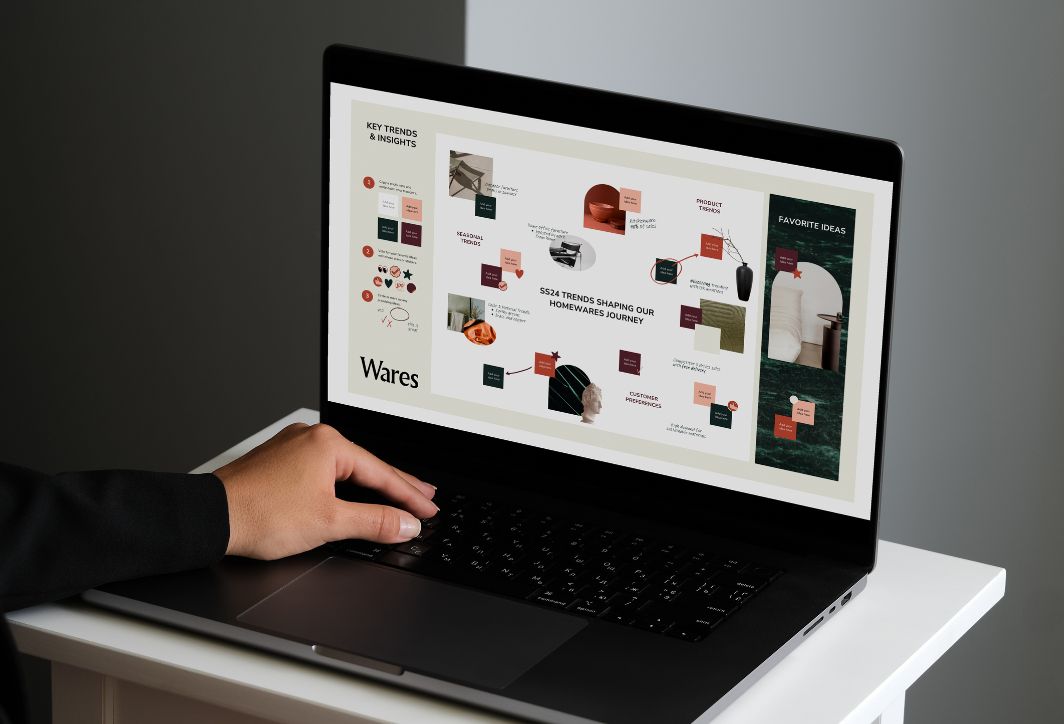
What is Brand Identity?
Why is Brand Identity a vital weapon for businesses to survive?
Many business owners often wonder: "Why should I spend money on design when my product is already so good?"In fact, in a market where customers are bombarded with thousands of pieces of information every day, Brand Identity is the key to unlocking trust. If the product is about its internal quality, then your brand identity is the fastest way to demonstrate that quality to the world.
First, Brand Identity helps businesses escape the price war. When you lack a clear identity, customers only look at the numbers on the bill to decide whether to buy. But when you have a distinct identity, such as the luxury of Apple or the durability of Volvo, customers are willing to pay a higher price. They're not just buying a physical object; they're buying the "emotional value" and "status" that the brand represents.
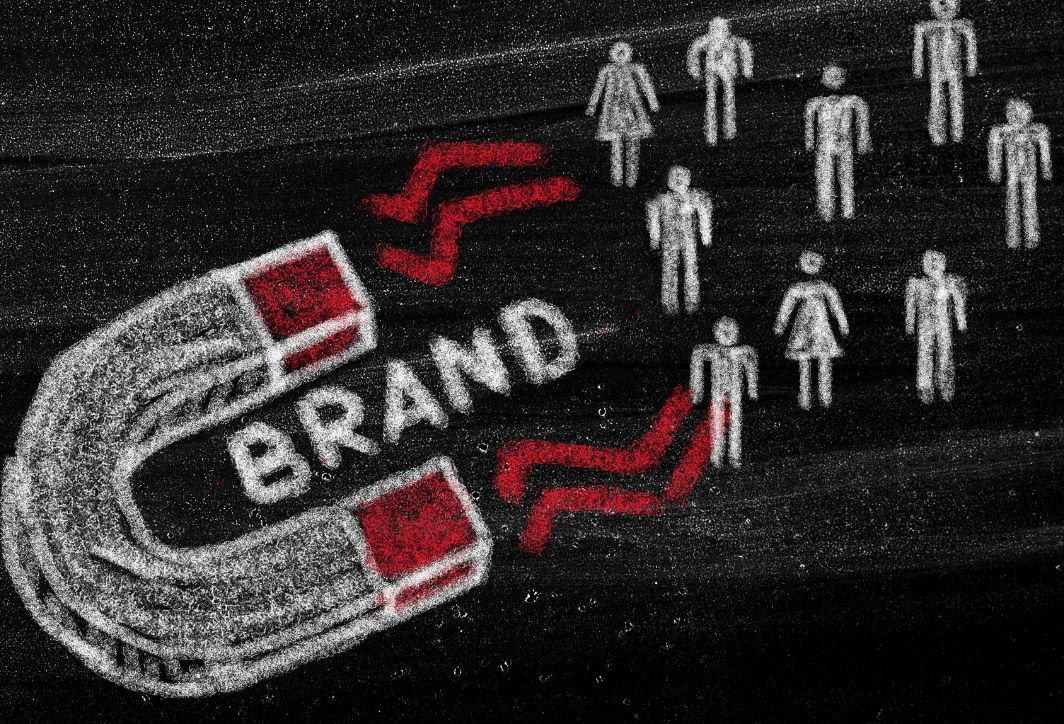
Brands with a strong brand identity attract customers.
Secondly, it creates consistency and professionalism. Imagine a business partner receiving your business card in blue, but then seeing a website in red with a completely different design style. This inconsistency creates a vague fear in the customer's mind that the business operates haphazardly and lacks stability.
A consistent brand identity helps build trust and makes a business appear larger than its actual size. Ultimately, it serves as a guide for all marketing activities. With established brand guidelines, the team will always know what to do, saving time on revisions and optimizing advertising costs most effectively.
The components that make up a professional Brand Identity
For a brand identity to be effective, it requires seamless coordination between many different elements. We can divide these into three main groups of components that any business, large or small, needs to focus on investing in:
- Logo and supporting visual system:
A logo is the first and most powerful visual point of contact. However, a logo cannot stand alone; instead, it needs supporting elements such as icons, distinctive patterns, and photographic style. For example, a clean food brand often uses images of fresh, juicy vegetables, natural light, and minimalist icons to evoke a sense of reassurance.
- Colors and Fonts:
This is a non-verbal language, yet it possesses an incredibly powerful ability to manipulate emotions. Colors aren't chosen based on the business owner's personal preference, but rather on psychological principles. Blue evokes prestige, while orange suggests dynamism. The same applies to fonts; serif fonts convey a sense of history and authority, while sans-serif fonts offer a modern, technological, and minimalist feel.
- Slogan or Tagline:
A slogan or tagline should be a concise statement that encapsulates the brand promise. Furthermore, tone is extremely important. The way you write posts on your Fanpage or the way your customer service staff answer the phone must be consistent. If your identity is humorous, use witty language. If you are an expert, use standard and concise language. The strong combination of visual and auditory elements will create an unmistakable brand image.
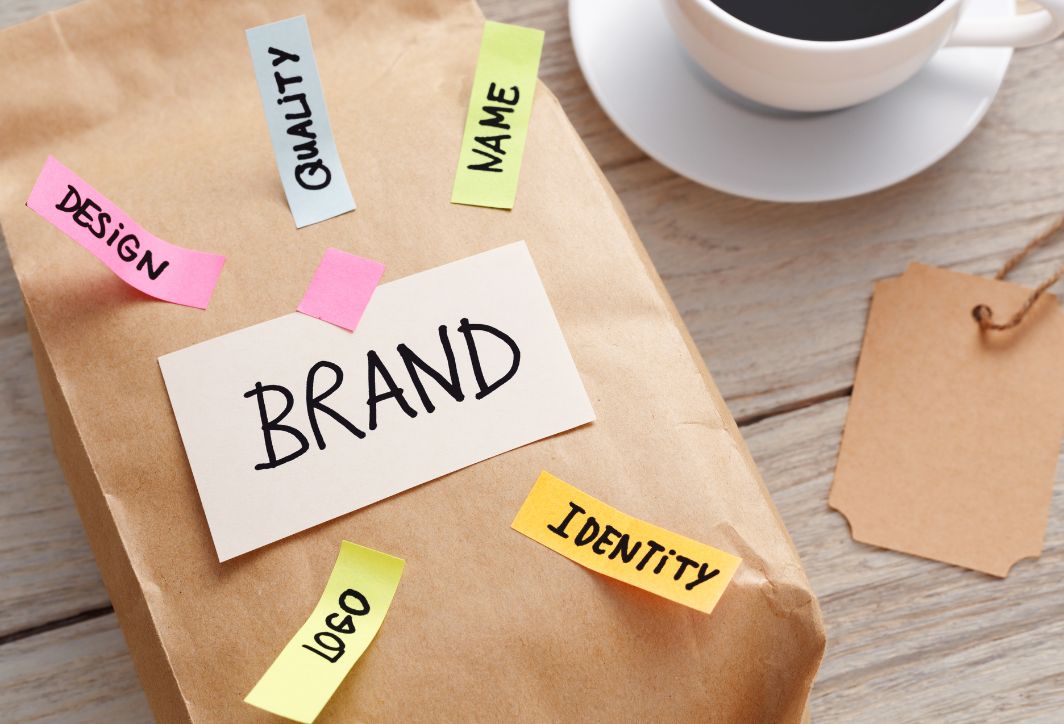
Develop a brand identity including logo, colors, slogan, etc.
A 5-step process for building a practical and effective brand identity.
Building a brand identity isn't a spontaneous sketch, but a scientific process. Below are 5 basic steps to building brand identity for your reference:
- Step 1: Research and understand: Ask yourself these core questions: Who are your customers? What problems are they facing? What do your competitors look like? This is a necessary step to determine the current position of the business, and from there find a niche in the market where your brand can penetrate and shine.
- Step 2: Define your brand strategy: At this step, we need to determine: What is your mission? What values do you represent? If the brand were a person, who would it be? Defining the brand personality at this stage will determine the entire direction of the visual design that follows.
- Step 3: Design the visual recognition system: This is when designers begin creating the logo, color palette, and fonts based on the established strategy. Every line and color must have a purpose and convey the message defined in step 2.
- Step 4: Deploy practical applications: A brand identity isn't just on the computer; it has to come to life. We'll apply the design to real-world items like business cards, packaging, uniforms, signage, website interfaces, and social media channels.
- Step 5: Standardize using Brand Guidelines: Finally, we created a user manual. This document clearly outlines what can and cannot be done with the logo, colors, etc. This ensures that even after 5 or 10 years, and regardless of personnel changes, your brand identity will always maintain its original and consistent quality.

Understand the basic steps to building Brand Identity.
Classic mistakes to avoid to prevent wasting money.
Building brand identity is a long-term investment, but if done incorrectly, it can become a wasted expense. Common mistakes people make include:
- Imitate the competition: Many business owners see their competitors succeeding with the color green and simply copy them. This inadvertently makes you a "shadow" of others, and customers can easily confuse your product with that of your competitors. Always remember that Brand Identity is created to make you stand out, not to blend in.
- Too much detail and complexity: A logo with too many intricate lines might look great on a computer screen, but when printed small on a pen or business card, it will become a smudged ink stain. In modern branding design, "Less is More" is always the truth. Prioritize simplicity for memorability and applicability across all materials.
- Inconsistency: Many businesses spend a lot of money on initial brand identity but then allow employees to arbitrarily change colors in Facebook posts or use different fonts in customer correspondence. This lack of discipline will gradually erode customer trust. Brand identity is like a habit; you have to repeat it long enough and accurately for the audience to remember it. Even the most beautiful brand identity will fail if it is not maintained seriously and systematically.
Hopefully, this article has helped you understand what Brand Identity is and how to build your own brand identity. If you still don't know how to create Brand Identity, contact Right Media immediately for support and advice on sustainable brand development strategies.