

Viral is a term that anyone working in communications or marketing wants to achieve in any project. When a campaign goes viral, it attracts attention to previous and subsequent projects, boosting both sales and brand value. However, if not properly leveraged, the viral effect can also have negative consequences.
What does "viral" mean?
Viral is an extremely popular term today, associated with music videos, entertainment videos, or a celebrity. Simply put, the term "viral" (or trend) describes the rapid spread of content (which could be an image, video, message, article, quote, action, event, or even a media campaign, etc.).
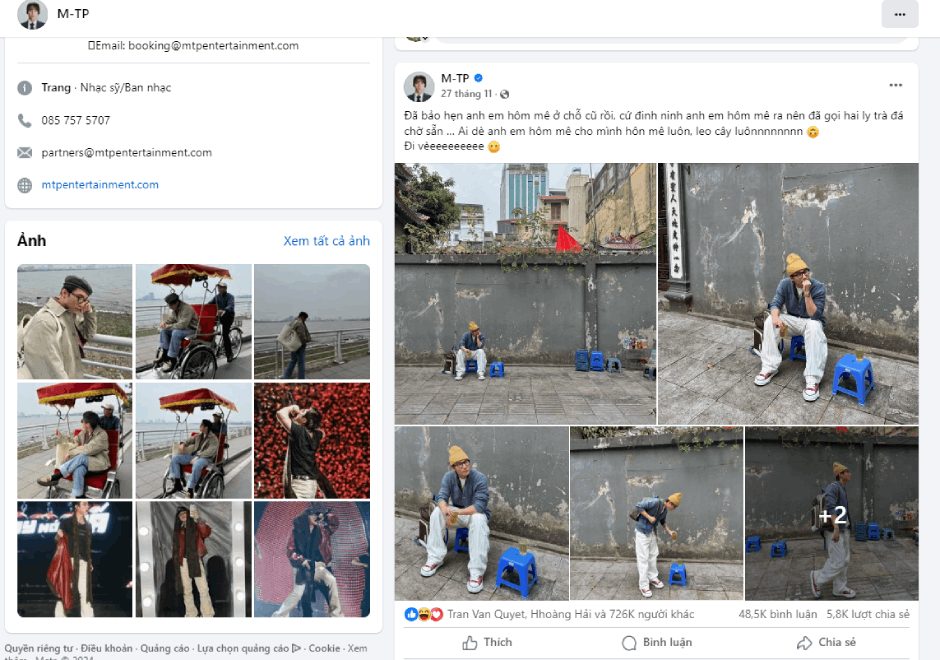
A viral post by singer Son Tung MTP has garnered hundreds of thousands of likes, dozens of comments, and thousands of shares.
Viral content is evaluated based on factors such as engagement, shares, likes, or, for videos, views (number of impressions), as well as the number of re-uploads or imitations. A single viral piece can generate tens of thousands, even millions, of similar content (often referred to as "following the trend").
For example, a prime example of virality is singer Son Tung MTP. Anything he shares quickly becomes a trend. Son Tung's music videos can reach tens of millions of views within just one hour of their release. Or, simply posting a picture of someone drinking iced tea on social media can quickly lead people to "follow the trend," flocking to the same place where he posted the picture.
A key characteristic for something to be recognized as viral is its rapid and completely natural spread, without the influence of external factors such as advertising or seeding. Trending content is easily found on powerful social media platforms like Facebook, TikTok, and Instagram, quickly becoming a trend and being imitated by many. This "trending" content also receives strong interaction from other viewers.
The benefits of viral campaigns
It's safe to say that anyone working in media or marketing-related fields hopes their projects will go viral. Especially in the digital age, with users increasingly utilizing social media platforms, projects that "force" themselves to go viral are crucial to achieving desired results in terms of revenue and brand value.
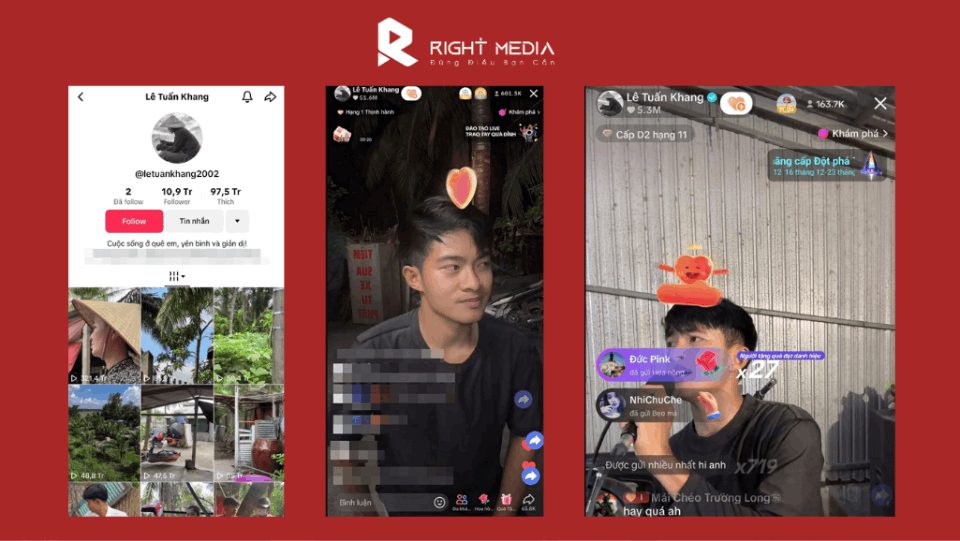
TikToker Le Tuan Khang achieves hundreds of thousands of views per livestream, and the clips he's featured in brand advertisements also reach tens of millions of views.
The most noticeable benefits can be seen when a piece of content/campaign/event goes viral, such as:
- Increase brand awareness: Individuals and businesses today are increasingly pursuing brand development through content creation on social media platforms. Having at least one trending piece of content, combined with interactive effects and viral spread, will impress viewers and create brand recognition and image for that individual/organization.
- Generate revenueJust one viral product can lead to all other products benefiting from the attention it receives. For businesses, this generates revenue almost immediately. Some businesses even receive thousands of orders and sell out their inventory overnight after a viral product goes viral. For individuals, receiving widespread attention creates opportunities to generate revenue through product PR, advertising, etc.
- Cost savings: Many small businesses, operating independently, achieve extremely high revenues thanks to viral content. Many videos or catchphrases, originating entirely naturally and without deliberate intent, attract more attention and interest from viewers than professionally produced, expensive content. Therefore, the higher the viral rate, the more cost-effective advertising and marketing expenses are, while still achieving good results in terms of revenue and brand value.
A prime example of recent viral success is the TikTok channel "Phuong Thu Viec" (Phương Trying Out for a Job). Thanks to her charm, humor, and the typical "trying out for a job with a 3 million VND salary" style, her videos quickly went viral, racking up millions of views. This led to a surge in followers on the TikTok channels of her colleagues, boss, and even her company, attracting tens of thousands of people to her livestreams and videos in a short period. Although it's a personal TikTok channel, the business also benefits, gaining revenue and reaching customers incredibly effectively.
Another example is TikToker Le Tuan Khang, who achieved a record-breaking increase of millions of followers in just a few days after information about him being unfairly treated at an awards ceremony went viral. Immediately, the videos he uploaded to TikTok all simultaneously reached tens of millions of views, with his live streams also reaching over 600,000 viewers. These are all record numbers that even many others wouldn't dare to achieve. Influencer Even top-tier celebrities would find it difficult to achieve that.
What factors contribute to a marketing campaign going viral?
Many factors influence whether a campaign goes viral. Content ideas, originality, messaging, and the product itself are all key elements directly related to the success of any marketing campaign.

The channel Phương Thử Việc's charm, authenticity, and content that isn't particularly original but is presented humorously are the factors that helped it go viral in a short time.
Specifically, to create trends, marketing campaigns need to meet the following criteria:
- New content: A unique and distinctive idea is key to attracting the attention of any viewer. The common characteristic of almost all viral content is its uniqueness, originality, and originality. Even if this content follows a trend, it still needs to incorporate distinctive elements that immediately evoke your brand in the viewer. Only when you achieve this can you be considered successful.
- Feeling: Humor, emotion, sadness, and surprise should always be highlighted in any marketing product. Emotional elements are what "keep" viewers engaged, making them watch a video, read an article, and interact (like, comment, share) with content they relate to or find impressive.
- MessageFor businesses selling products, marketing campaigns must always be aligned with the message they want to convey to customers. This message could be a call to action, promotional programs, or an affirmation of the company's core values.
- Image quality: For those working in fields like fashion, food, and makeup, image quality is what truly impresses viewers. It's clear that fashion shops sometimes only need to upload clear, attractive product images to generate a huge amount of interaction and sales.
In reality, many people invest both intellectual effort and money but still fail to make their campaigns go viral as desired. Creating the same trending content at the same time can result in different outcomes: some receive massive engagement, while others only get a few views. Therefore, luck can be considered a determining factor in the success or failure of campaigns. However, this isn't the only crucial element; focus should still be placed on the content, message, and product itself.
Is going viral really entirely beneficial?
Of course, viral content is very beneficial for anyone working in communications or marketing, catering to both individuals and businesses. However, every issue has two sides, advantages and disadvantages. Having unexpectedly viral content can overwhelm you and present more challenges. And of course, if not done well, you could face a crisis, especially for individuals or small businesses lacking experience and skills.
For example, a viral video can help you generate hundreds, even thousands, of orders. If you're doing business on e-commerce platforms, you're required to prepare enough stock to match the order quantity and ship according to regulations. If you ship late or send poor-quality goods, leading to customer complaints and negative reviews, your shop could be immediately blocked by the platform.

Businesses with viral products need to be well-prepared in all aspects to avoid negative customer reactions due to avoidable shortcomings.
For individuals who suddenly have viral videos, the surge in followers often attracts the attention of brands, who approach them for bookings. This presents a great opportunity for individuals to generate revenue; however, accepting indiscriminate reviews without paying attention to quality can easily lead to negative reactions from their initial supporters.
Furthermore, it's important to understand that viral content isn't always positive; it can include negative situations and issues. Many individuals and businesses want to create "dirty" content, generating controversy to attract engagement or followers on various platforms. Of course, considering all the factors involved...
Any business, when starting to build communication plans and brand image, needs to be prepared for the possibility of going viral at any time. Seizing opportunities when trends emerge, immediately launching new projects, and perfecting and ensuring product quality are key tasks for businesses. Similarly, individuals should take advantage of current attention, focusing on building a unique personal brand image to create a positive impression on viewers, thereby generating more sustainable revenue.





 English
  Vietnamese