

In any film project, having a clear timeline is extremely important. A film timeline is a tool that helps the production team and partners control the entire process, from preparation and filming dates to post-production and product delivery, ensuring that production runs on schedule, costs are optimized, and risks are minimized.
What is a film timeline?
"Timeline" is a familiar term used in many different industries, especially those with processes, deadlines, and multiple stakeholders. Simply put, a timeline is a schedule or progress chart of a task, detailing the necessary tasks and their completion times, allowing for close and effective monitoring of work progress.
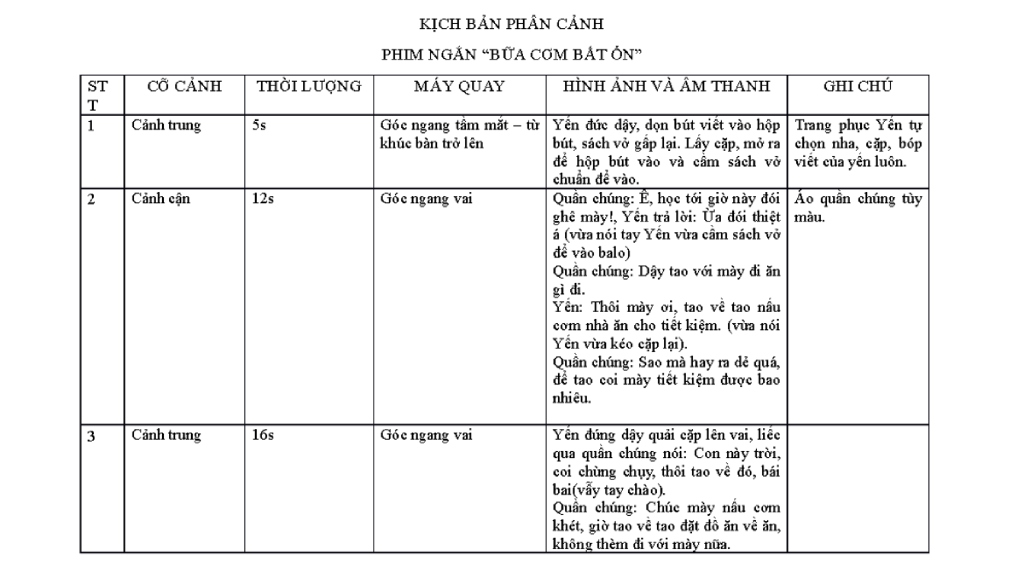
A film timeline is a detailed work plan that helps the production team adhere to the script.
A film timeline is essentially a "progress map" that helps control the entire process of creating a complete film. It includes information such as start times, completion times, required tasks, personnel, etc. This document is developed from the initial stages of the project, incorporating input from stakeholders to ensure a reasonable schedule, feasibility, and achievement of objectives.
Why is it necessary to create a filming timeline?
Creating a filmmaking timeline helps systematize all aspects of video production, from pre-production and filming days to post-production and delivery. Because any film project, large or small, involves numerous issues, a lack of a clear plan can easily lead to errors, overlapping tasks, and negatively impact the quality of the final product.
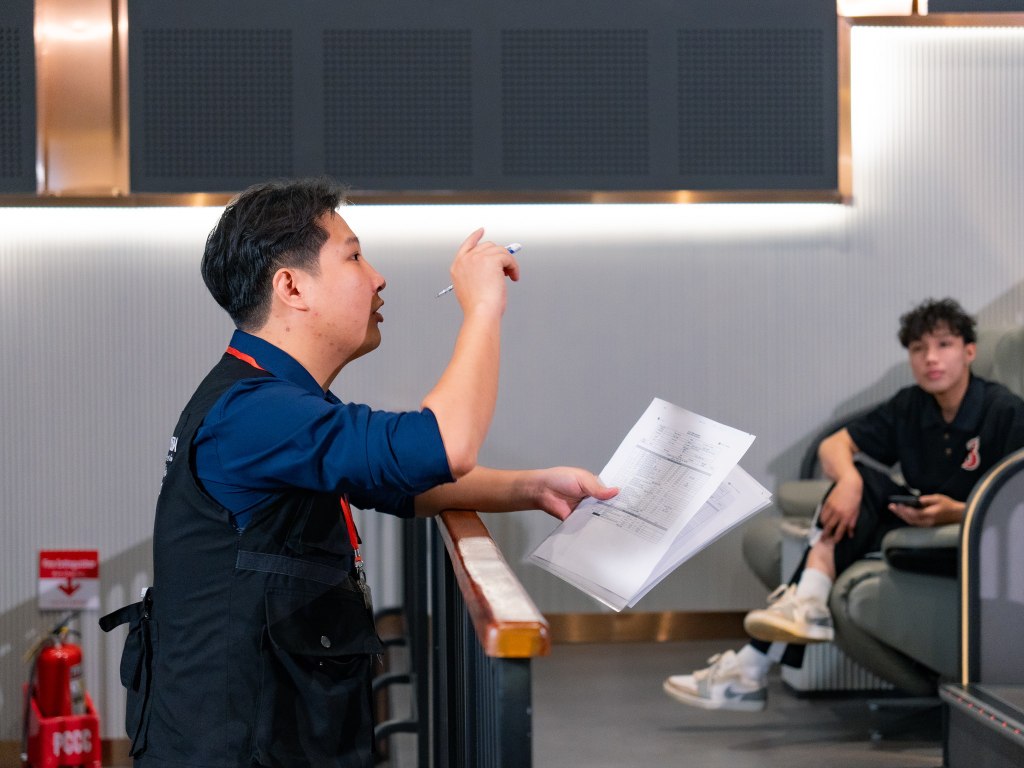
Filming according to a timeline will help make the workflow more logical, saving time and manpower.
In general, creating a filming timeline will solve many problems, including:
- Define project objectives and scope: Provide an overview of the project, such as budget, film objectives, platforms to be uploaded to, episode length, deadlines, etc. This allows team members to understand the progress and ultimate goals.
- Progress & Time Control: Through the timeline, all tasks are clearly divided into stages, helping the team proactively plan, minimize errors, and ensure the project is completed on time. At the same time, the timeline also serves as a basis for stakeholders to monitor and evaluate the progress of implementation.
- Organize the content logically and coherently: A timeline helps arrange the scenes logically according to the script; even if the scenes are not filmed in chronological order, the edited version still ensures that the content is coherent, easy to understand, and consistent.
- Assigning responsibilities and coordinationClearly define the roles of each individual/department, ensuring everyone understands their responsibilities and collaborates seamlessly towards a common goal, avoiding overlapping tasks.
- Optimizing efficiencyA scientific timeline helps filmmakers easily edit, add, and remove scenes, minimizing risks and optimizing working time. For example, multiple scenes in the same location but belonging to different episodes can still be filmed on the same day by preparing the corresponding costumes and props in advance, thereby ensuring the continuity of the story while optimizing production time and costs.
- Address emerging issues promptly: Besides managing the schedule, the filming timeline also serves as a risk contingency tool, allowing the crew to flexibly adjust the plan when encountering unforeseen situations such as rain, complex shots, or changes in personnel schedules. This helps the project run smoothly and avoids disrupting the overall schedule.
Timelines are not only applicable in filmmaking but can be used in many jobs, industries, and activities. Having a clear timeline not only ensures smooth workflow, better budget and personnel control, and minimizes or quickly resolves risks, but also significantly increases work efficiency.
How to build a film timeline
A video timeline can be created using tools such as Excel, Google Sheets, PowerPoint, Google Slides, Gantt Chart, Notion, Trello, etc. These documents are usually shared with all relevant parties so they can directly participate in editing and continuously monitor the work progress.
To create a film timeline, you can divide it into three main stages:
Phase 1: Pre-production – Preparation Phase
This is the initial stage in building the most detailed filming timeline.
Reception brief from customers
- Film purpose (advertising, branding, introduction, entertainment, etc.)
- Episode length, number of episodes
- Which platform should it be released on to optimize post-production in terms of video aspect ratio and format?
- Delivery deadline
- Projected budget
Scenario analysis and scope of work
- The number of shots used to identify overlapping scenes in terms of setting, props, and actors is used to build a detailed timeline of the scene.
- Table Detailed sketches of the scenes are created so that the production team and actors can clearly visualize the composition, camera angles, and movement.
- A shotlist lists the shots and camera angles in detail using text.
- Background survey
- Searching for and casting actors
- Personnel preparation
- Prepare props, equipment, and costumes for the actors.
- Schedule the filming in detail.
Each item in the timeline will clearly state the main person in charge, supporting personnel, and the corresponding completion deadline. Once finalized, the timeline is sent to all relevant parties for the client's review, feedback, and adjustments, as well as to finalize roles and responsibilities before officially beginning filming.

Sketch A detailed storyboard helps the crew easily visualize the shots and camera angles to match the script's intentions.
Phase 2: Production (filming)
The filming timeline at this point will detail:
- Time required for setting up the scene and lighting.
- The order in which each scene was filmed.
- Estimated duration for each scene
- Rest periods and time to move between different scenes throughout the day.
- Backup plan in case of bad weather, schedule changes, cast or equipment issues.
Phase 3: Post-production
A filming timeline for post-production typically includes the following items:
- Create a draft video
- Color grading, sound design
- Send a preview to the client.
- Receive and edit based on feedback.
- Publish the final video.
The golden rule when building a timeline.
In terms of form, creating a timeline is quite easy: list the tasks, arrange them in chronological order, and assign responsibilities. However, to ensure practicality and feasibility, the timeline creator needs to have a thorough understanding of the filming process, be familiar with the script, and be able to assess and identify potential problems. A timeline also cannot be 100% precise; it needs to be flexible enough to adapt to unforeseen situations, thereby ensuring the progress and quality of the final product.
Here are some things to keep in mind when creating a filming timeline:
- There is always buffer time.In reality, it's very difficult to strictly adhere to the 100% filming timeline because unforeseen problems will always arise, such as bad weather, difficult shots, lack of actors, etc. Therefore, don't make the timeline too tight; there needs to be space between each task as a contingency plan. Building an overly dense timeline can lead to pressure on the crew, causing them to rush and reducing the quality of the final product.
- The timeline must fit the budget.If the timeline is too dense or unnecessarily long, production costs will increase significantly. Conversely, a timeline that fits the budget will help balance time, resources, and quality, avoiding the "rush to meet the deadline at all costs" approach that leads to increased costs or quality cuts in critical stages.
- Finalize the script and shotlist before filming.A timeline is only truly effective when built on a foundation of agreed-upon and clear content. When the script is not finalized or the shotlist is constantly changing, the timeline is almost worthless in practice, because every adjustment disrupts the filming schedule.
- The timeline needs to be approved by all parties.The film timeline is not only for the production team but also serves as a collaborative tool between the client, director, cinematographer, post-production team, and other relevant departments. Therefore, submitting the timeline for approval by all parties is an essential step.
A well-structured film timeline is not just a time allocation chart, but also a tool for controlling project quality and risk. The more thorough the timeline preparation, the smoother the filming and post-production process, and the more the final product will meet expectations. Investing time and experience in building a timeline from the outset is arguably the foundation for a successful film project.





 English
  Vietnamese