

CGI creates vivid images for advertising. It's one of the useful tools to support brand communication campaigns and attract customer attention. Therefore, if you want to leave a strong impression on viewers, you can get creative with CGI.
What is CGI? Common application areas.
CGI stands for Computer-Generated Imagery, a process of creating simulated images using computers, such as 2D and 3D images, or other motion effects, using algorithms in specialized software.
CGI is currently contributing to the creation of innovative cinematic works, and it is also used in advertising and commercial marketing. With the development of technology, Computer-Generated Imagery has been gradually replacing traditional filmmaking methods. 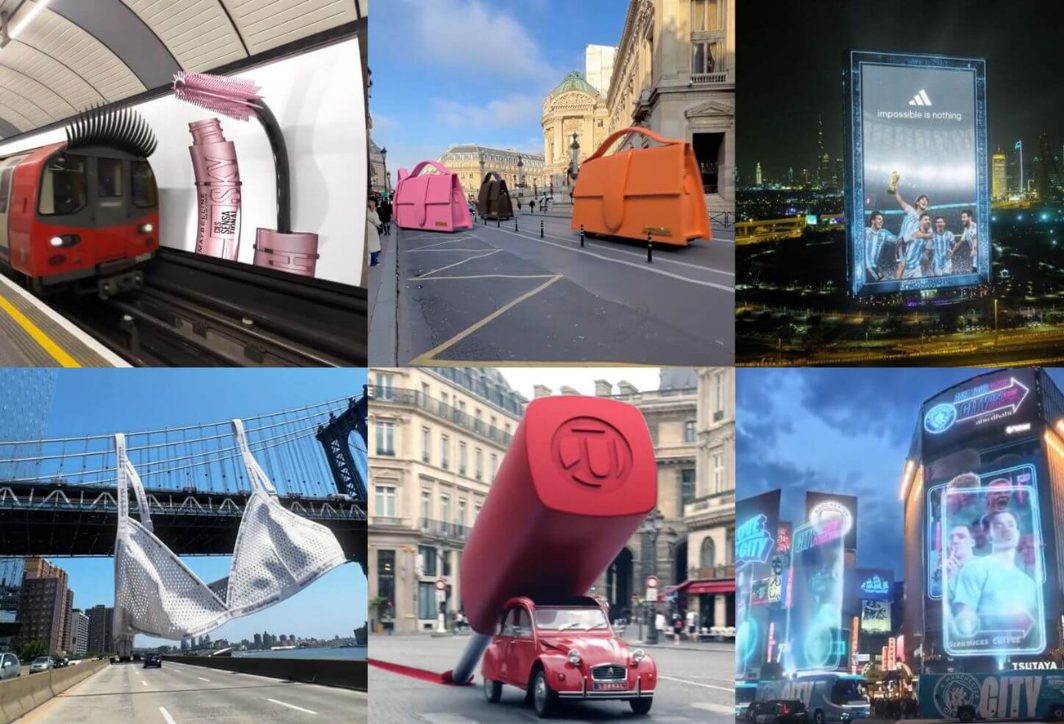
Some advertising images from world-famous brands.
Thanks to its high flexibility, this tool is now widely used, for example:
- In movies and television: Creating spectacular scenes, fictional and fantasy characters, etc.
- In advertising and marketing: Create unique videos, images, etc., that attract viewers more than real footage.
- In social media: Using creative CGI and unique visual effects helps increase viewership and engagement.
- In the world of gaming: CGI is an indispensable tool for designing characters, scenes, and graphic effects.
- In architecture and interior design: Simulating the space, objects, and lighting in projects and buildings helps viewers easily visualize the structure of houses, bridges, roads, etc.
Furthermore, Computer-Generated Imagery (CGI) is also used in fields such as fashion, medicine, education, and the military. Compared to traditional imaging technologies like graphics, animation, and still photography, CGI-generated images have their own unique, vivid, and beautiful qualities, providing viewers with a fresh visual experience.
The role of CGI in brand building
In the field of advertising and media specifically, Computer-Generated Imagery offers many outstanding advantages. These include:
- Conveying the message in a creative way: The possibilities for simulating images are limitless. Therefore, producers can freely personify objects, settings, virtual spaces, etc. Advertising messages will now become more attractive and impressive to viewers, increasing the chances of brand recognition.
- Creates a strong visual impact: This is also one of the obvious benefits of CGI. Thanks to the technology that creates vivid and captivating 3D images and spaces, audiences will have a more novel visual experience, unlike traditional content. For example, car advertisements can use Computer-Generated Imagery to simulate scenes of cars flying over challenging terrain, etc.
- Increase personalization: Based on the target audience, create content that is relevant to them. This will contribute to increased personalization and create a connection between viewers and the brand.
- Costs and production time are optimized: CGI can replace many traditional production processes such as set design, character design, and real-world environments. Producers now only need to perform operations on a computer to create them using algorithms in specialized software. Therefore, production costs and time can be significantly reduced compared to before.
In addition to the benefits mentioned above, Computer-Generated Imagery also brings other values to businesses in the marketing process. For example, businesses can adjust their marketing materials by flexibly manipulating them on the computer, synchronizing or modifying them to suit different communication channels.
Furthermore, businesses can create a synchronized system of video and image advertisements using CGI, ensuring consistent colors, logos, effects, and more, helping customers recognize the brand in the best possible way. 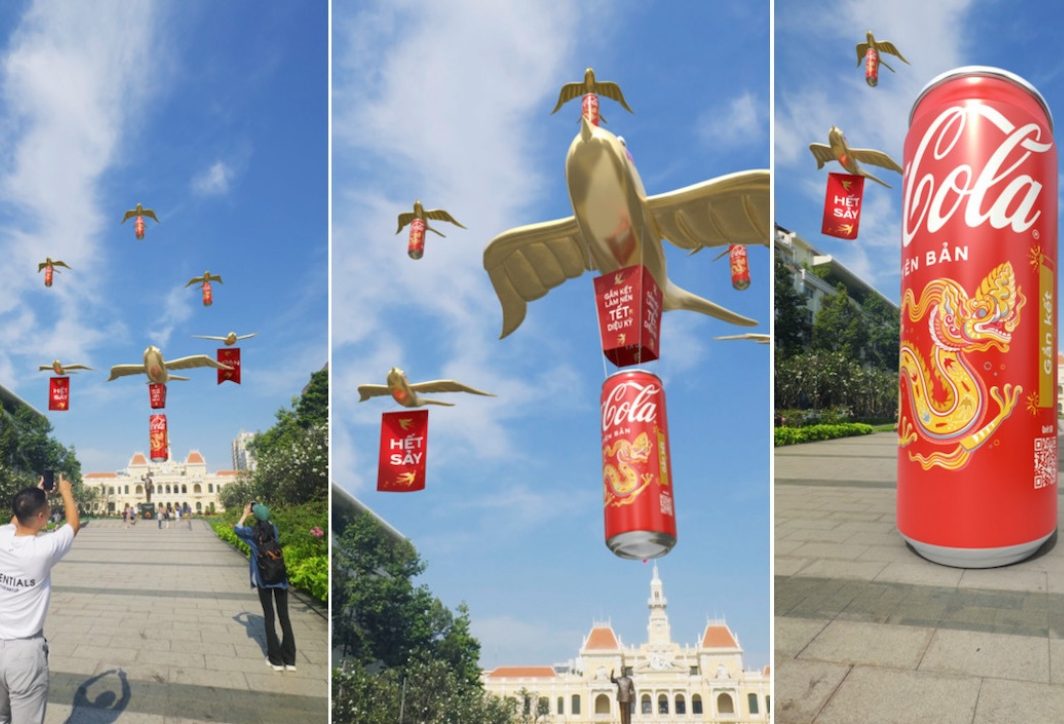
Coca-Cola's CGI-generated advertisement.
Trends and challenges when using CGI in advertising.
Trends in the use of CGI in advertising:
- Create an interactive space: Combining CGI with AR/VR technology creates virtual spaces that allow users to experience advertising in a unique and immersive way.
- Create a virtual character: Creating brand ambassadors using Computer-Generated Imagery increases viewer engagement and interaction, especially on social media channels.
- Create a hyper-realistic advertising video: The surreal effects of GCI allow viewers to experience visually stunning and novel environments and settings, leaving a lasting and unforgettable impression.
- Be flexible and creative in creating relevant content: To effectively reach customers, producers can use image simulation technology to create content tailored to specific customer segments.
- Virtual product simulation: Several brands in the market are currently using simulation technology to create virtual product mockups for customers before the official launch. This is most evident in phone and car manufacturers, who often create mockups before releasing the actual product.
Challenges when using CGI in advertising:
Despite the tremendous value that Computer-Generated Imagery brings to the media and advertising industry, there are still many challenges, such as:
- Investment cost issue: The initial investment cost will not be small, because building high-quality CGI requires significant resources, software, hardware, and a team of experts. In the long run, the production process may become more cost-effective, but a large sum will have to be spent at this stage.
- Requires advanced technical skills: The production team must be qualified and professional enough to collaborate with other departments to create the most appropriate and effective media product.
- Authenticity is lost when it is misused: In some cases, excessive use of CGI in advertising leads to a loss of authenticity. This can cause viewers to feel skeptical and distrustful of the brand.
- The level of competition is intense: Currently, CGI is becoming increasingly popular, with many brands using it to create advertisements that attract customers. This has led to increased competition among rivals.
- Intellectual property rights: Images and illustrations can be copied or their ideas stolen on a massive scale. This poses many challenges to copyright protection.
Overall, Computer-Generated Imagery is currently shaping advertising methods, opening up an environment for unlimited creativity. However, given the challenges mentioned above, brands need to consider carefully before implementing it. You can contact Right Media for assistance in choosing the most suitable solutions. Details:
- Address: Saigon Office311/70A No Trang Long Street, Ward 13, Binh Thanh District), Hanoi office (105-E5-Trung Tu, Dong Da).
- Hotline: 0901-391-002
- Email: anhtai@rightmedia.vn
The process of creating CGI advertising videos.
The production process for CGI advertising videos is a complex one, encompassing many different stages, from concept development, design, modeling, animation, to lighting and final image rendering.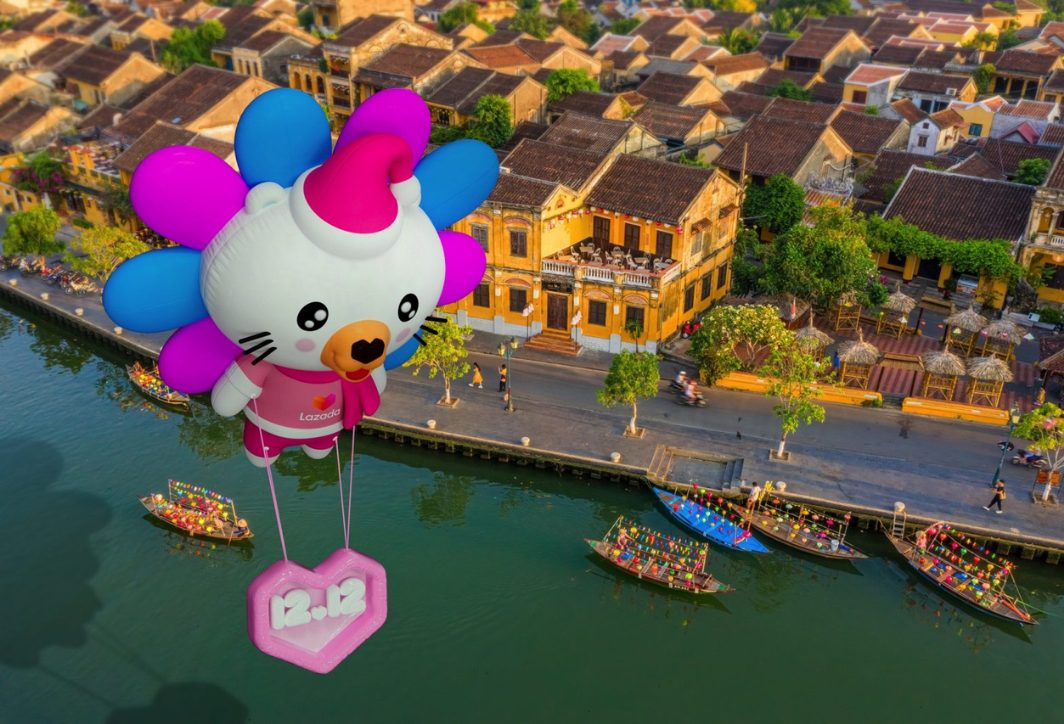
This is a simulated image from a Lazada 12.12 advertisement.
Each stage requires meticulous attention to detail and high precision to ensure the best image quality. By using specialized graphic software and modern technology, we can create incredibly realistic and lifelike CGI images.
Here is the detailed procedure:
Conceptualization and script development:
- Define the objectives of the CGI image.
- Developing creative ideas
- Write a detailed script for each scene.
Design and build 3D models:
- Creating characters, objects, and environments.
- Create a detailed 3D structure.
- Apply textures and materials.
Create a control skeleton (rigging):
- Building the skeleton for 3D models
- Set up control points
Cartoon:
- Add motion to the models.
- Create dynamic scenes.
Lighting setup:
- Applying different light sources
- Create shadows and lighting effects.
Create special effects:
- Add effects such as fire, smoke, and water.
- Create slow-motion and fast-forward effects.
Image rendering:
- Convert a 3D model into a 2D image.
- Adjust image quality
Post-production finishing:
- Adjust color and contrast.
- Add sound effects
- Combine the footage
Testing and evaluation:
- Image quality assessment
- Fix bugs and improve the product.
Commonly used software for manufacturing support includes:
- 3D software: 3ds Max, Maya, Blender, Cinema 4D
- Rendering software: V-Ray, Arnold, Octane Render
- Compositing software: Nuke, After Effects
- Video editing software: Adobe Premiere Pro
Depending on the project, the CGI advertising production process will vary. Those involved need to select the appropriate tools and techniques to create high-quality CGI images. Furthermore, the production team must collaborate and support each other throughout the process to ensure the final product is completed according to schedule.
In summary, CGI has become an indispensable tool for creating many effective brand communication products. This will be the new advertising trend in the near future, helping businesses build and develop their brands and increase their competitiveness in the market.




 English
  Vietnamese