
Cinematography is a field receiving much attention, especially in the context of the rapidly developing film, television, and content creation platforms. Every camera angle and every light source contributes to guiding the viewer's emotions, creating depth and a unique identity for a film. But doing this well is certainly a long journey, requiring close collaboration between creative thinking and technical knowledge from an entire team.
When did the field of filmmaking originate?
The field of cinematography emerged almost simultaneously with the birth of cinema in the late 19th century. In 1895, the first footage by the Lumière brothers in their short documentary "La Sortie de l'usine Lumière à Lyon" (Workers Leaving the Lumière Factory) marked the birth of cinema, at a time when filmmaking was primarily limited to recording everyday life with fixed cameras. At this stage, cinematography was not considered an independent profession but rather a purely technical skill.
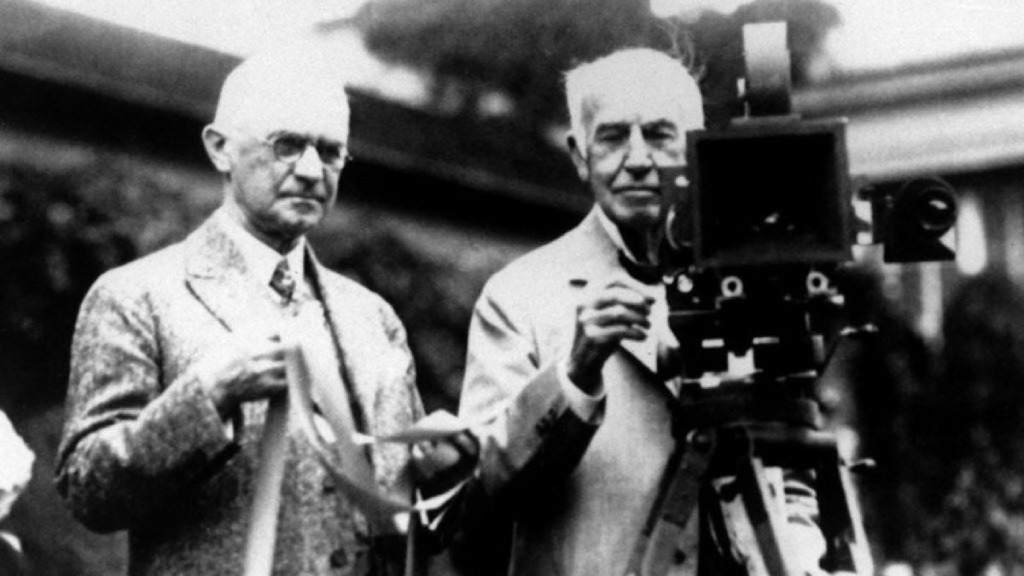
The world's first film camera was invented by Thomas Edison and his associates in 1891.
Entering the early 20th century, especially from the 1910s to the 1920s, when feature films flourished, cinematography gradually took shape as a distinct professional field. The camera operator not only operated the camera but also participated in constructing the composition, lighting, and camera movement to serve the story. From this point on, images began to possess a more expressive and emotional quality.
From the 1920s onwards, the concept of cinematography was clearly established in the film industry. The role of Director of Photography (DOP) emerged, responsible for all the visuals and style of the film. Cinematography thus became a core element, contributing to shaping the language and artistic values of modern cinema.
What job positions are included in the film cinematography industry?
The film industry doesn't just involve one cameraman; it's a closely coordinated visual department working together to create complete films that are not only visually stunning but also profound, emotionally rich, clearly expressing the characters' inner feelings and conveying the script's intent. Depending on the project's scale, roles may be separate or combined.
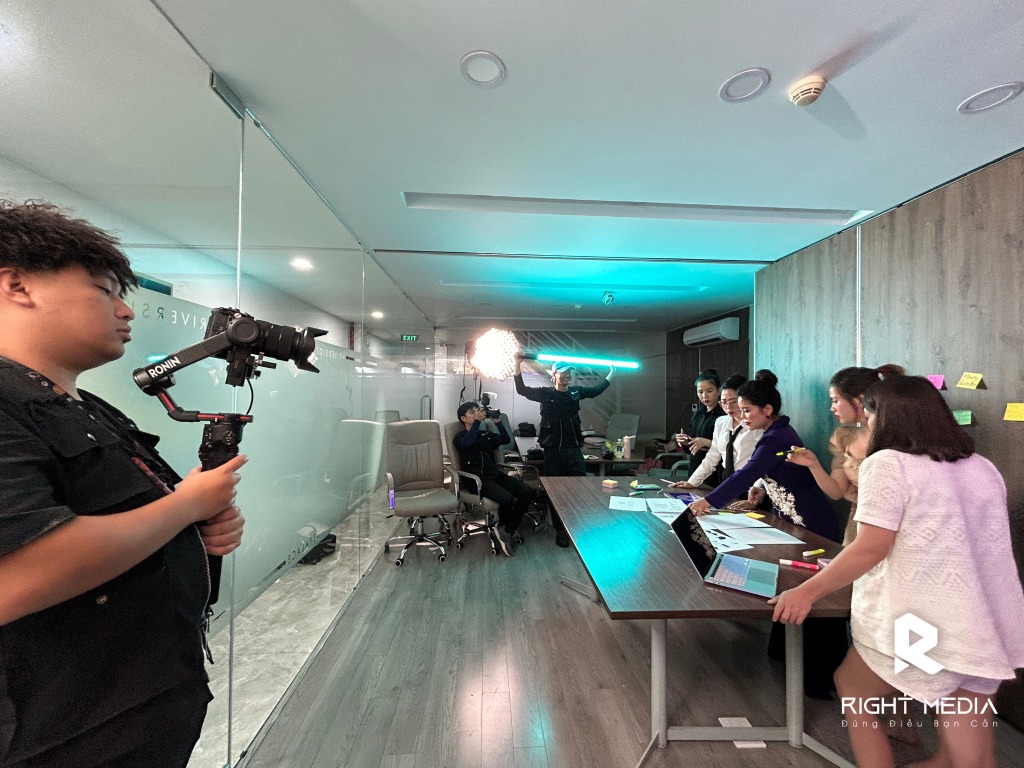
Every role in the filmmaking industry plays a crucial part in creating a complete, aesthetically pleasing, and emotionally rich film.
Here are some basic positions that those planning to pursue a career in filmmaking can consider:
- Director of Photography (DOP): The person in charge of the entire visual aspect of the film decides on the visual style and works directly with the director, screenwriter, and producer.
- Camera Operator: The person directly operating the camera, manipulating the lens and camera movements according to the direction of the Director of Photography (DOP).
- Focus Puller (1st AC)Responsible for achieving precise focus for each shot, especially crucial in moving scenes and those with large apertures.
- Camera Assistant (2nd AC): Providing technical support to the camera department, managing equipment, changing lenses and slate on set.
- Gaffer: Part of the lighting department, responsible for implementing the lighting system according to the cinematographer's (DOP) visual vision.
- GripResponsible for camera support equipment and movement, ensuring stability and safety during filming.
Is it easy to pursue a career in filmmaking?
The film industry demands a close combination of technical knowledge and artistic thinking. Professionals need a thorough understanding of equipment, from cameras and lenses to various parameters such as... FPSAperture and ISO are used to precisely control the image in all shooting conditions. This is the foundation for ensuring stable image quality that matches the script and meets the expectations of the screenwriter or producer.
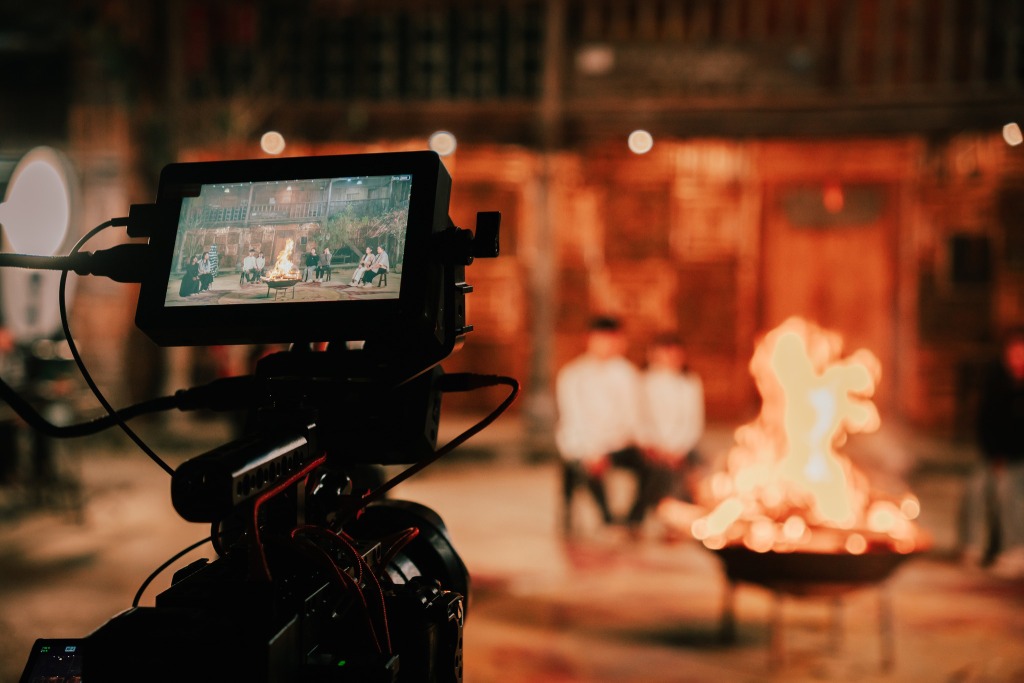
To pursue a career in filmmaking, one needs not only technical skills but also an understanding of composition and artistic thinking.
Beyond technical skills, cinematography requires the ability to perceive and handle cinematic lighting, composition, and visual storytelling. Each frame must not only be beautiful but also meaningful, have depth, and contribute to guiding the emotions and rhythm of the story. The ability to perceive color and movement also plays a crucial role in creating a unique visual style. A film with beautiful cinematography can easily achieve at least 40% of success. viral at the present time.
This is a sector with unique characteristics, characterized by high work intensity, long hours, and a high-pressure film set environment. The work is collaborative, requiring flexibility, discipline, and the ability to adapt quickly to changes during production. The career path may be slow, but when cinematographers develop their own unique visual style, it creates a distinct advantage in the industry, leading to numerous opportunities for significant growth.
Where can I study filmmaking?
The field of film cinematography can be studied through various forms, from formal training to specialized vocational courses. In Vietnam, students can pursue studies at institutions such as the Hanoi University of Theatre and Film, the Ho Chi Minh City University of Theatre and Film, or other universities and colleges offering film and television programs.
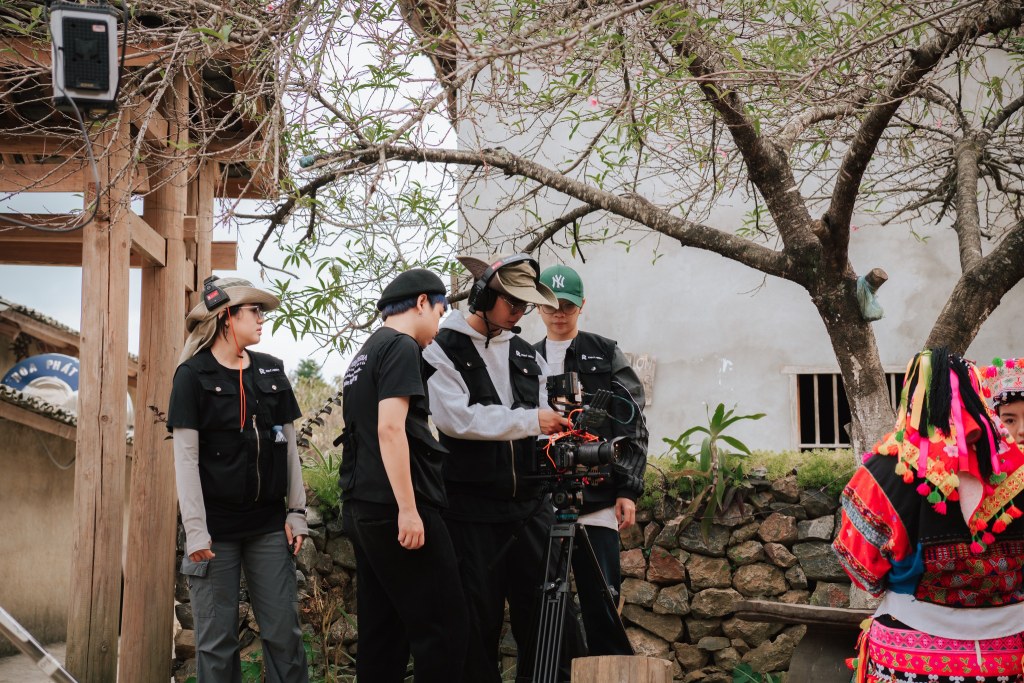
The filmmaking industry requires both theoretical knowledge and practical experience simultaneously.
However, the film cinematography industry demands more practical experience than theory, as skills and professional competence are truly developed through specific projects. Therefore, if one wants to pursue this path seriously, they need to directly participate in the film set environment to hone not only their camera operation skills but also develop their visual thinking and artistic perspective in cinema.
In addition to formal training programs, Right Media (Right Academy) is a suitable approach for those who want to learn filmmaking with a practical, career-oriented approach. Right Media currently organizes specialized courses through “Right Academy,” aiming to share knowledge and practical experience in video production and filmmaking for those who want to delve deeper into the profession. These courses include programs such as
- Building a basic Production House
- Specialized Director of Photography (DP)
- In-depth camera
- Professional photographer
- Expert Editor
- Advanced Account
The courses here are built around the real production process of a production house, focusing on specific roles such as cinematographer, cinematographer, camera operator, and post-production, rather than spreading out theory. Students are directly guided by professionals working in the industry, gaining hands-on experience on projects, thereby understanding professional requirements and image standards. This is an advantage that helps students bridge the gap between academic learning and the professional film studio environment.
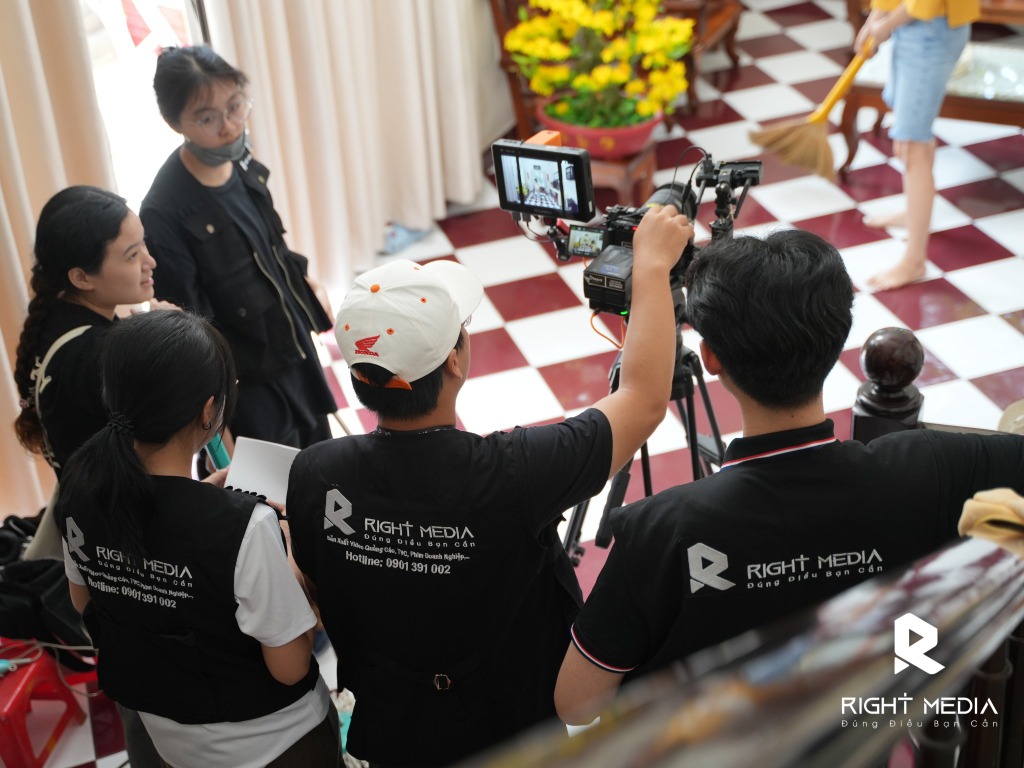
Students at Right Media are given the opportunity to participate in real-world work to gain hands-on experience, hone their skills, and learn how to handle various situations and environments.
The film cinematography industry demands not only technical skills but also visual thinking and professional competence honed through practical experience. It's a long journey requiring perseverance and a serious passion for the profession. By combining formal education with on-set experience, cinematographers gradually develop their own style and create lasting value in the film industry.